Being Human in a Buddhist World: An Interview

Janet Gyatso’s new book is a masterfully researched, compellingly written, and gorgeously illustrated history of medicine in early modern Tibet that looks carefully at the relationships between medicine and religion in this context. Being Human in a Buddhist World: An Intellectual History of Medicine in Early Modern Tibet (Columbia University Press, 2015) looks carefully at the “double movements” of medicine and religion from the twelfth through seventeenth centuries: … Continue reading Being Human in a Buddhist World: An Interview

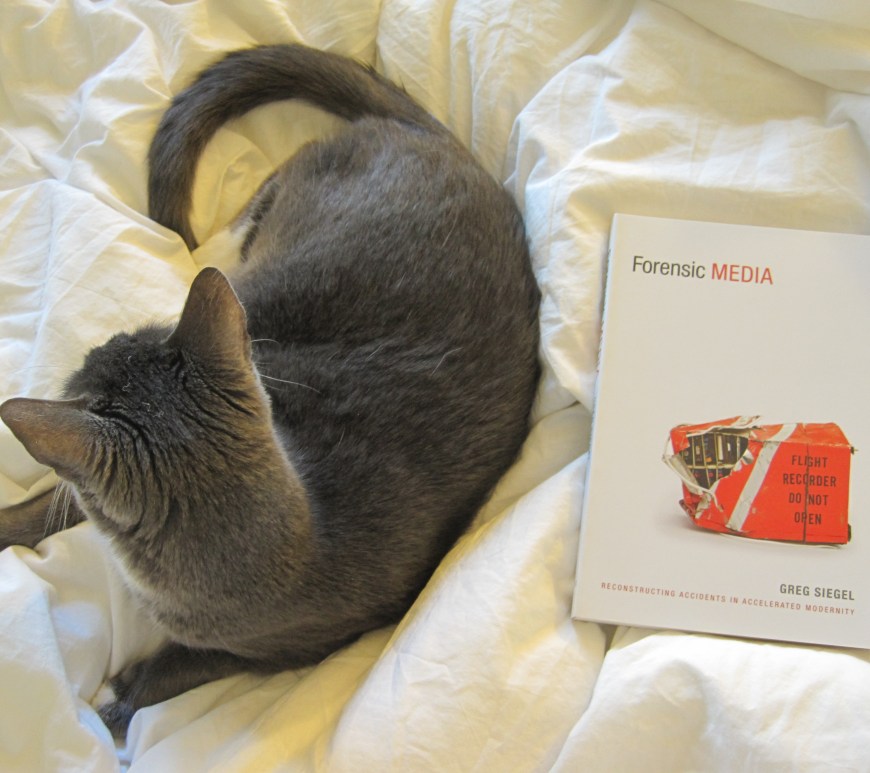
Forensic Media: An Interview

Greg Siegel’s new book is a wonderfully engaging and meticulously researched account of a dual tendency in modern technological life: treating forensic knowledge of accident causation as a key to solving the accident, and treating this knowledge as the source for the future improvement of both technology and civilization. Forensic Media: Reconstructing Accidents in Accelerated Modernity (Duke University Press, 2014) argues that accidents, forensics, and media have been … Continue reading Forensic Media: An Interview

The Multispecies Salon: An Interview

Eben Kirksey’s wonderful new volume is an inspiring introduction to a kind of multispecies ethnography where artists, anthropologists, and others collaborate to create objects and experiences of great thoughtfulness and beauty. Growing out of a traveling art exhibit of the same name, The Multispecies Salon (Duke University Press, 2014) curates a collection of works that explore three major questions: “Which beings flourish, and which fail, when natural … Continue reading The Multispecies Salon: An Interview

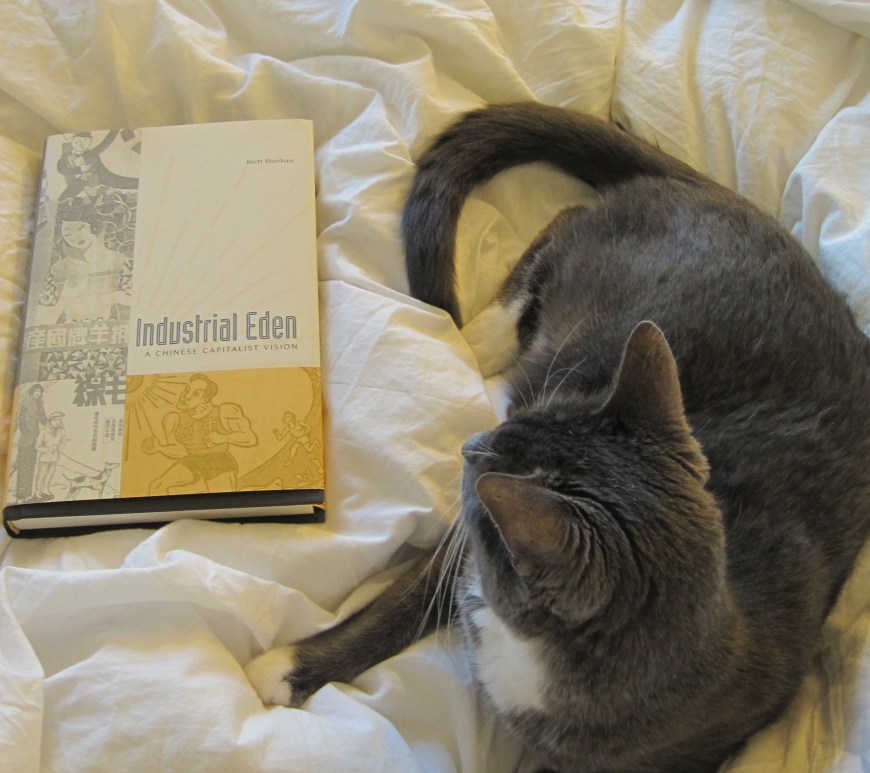
Industrial Eden: An Interview

Brett Sheehan’s new book traces the interwoven histories of capitalism and the Song family under a series of five authoritarian governments in North China. Based on a wide range of sources a range of sources including family papers, missionary archives, corporate records, government documents, newspapers, oral histories, novels, and interviews, Industrial Eden: A Chinese Capitalist Vision (Harvard UP, 2015) explores a family of “capitalists without capitalism.” The book … Continue reading Industrial Eden: An Interview

Galileo’s Idol: An Interview

Nick Wilding’s new book is brilliant, thoughtful, and an absolute pleasure to read. Galileo’s Idol: Gianfrancesco Sagredo and The Politics of Knowledge (University of Chicago Press, 2014) takes an unusual approach to understanding Galileo and his context by focusing its narrative on his closest friend, student, and patron, the Venetian Gianfrancesco Sagredo. Though most readers might be familiar with Sagredo largely as one of the protagonists of … Continue reading Galileo’s Idol: An Interview

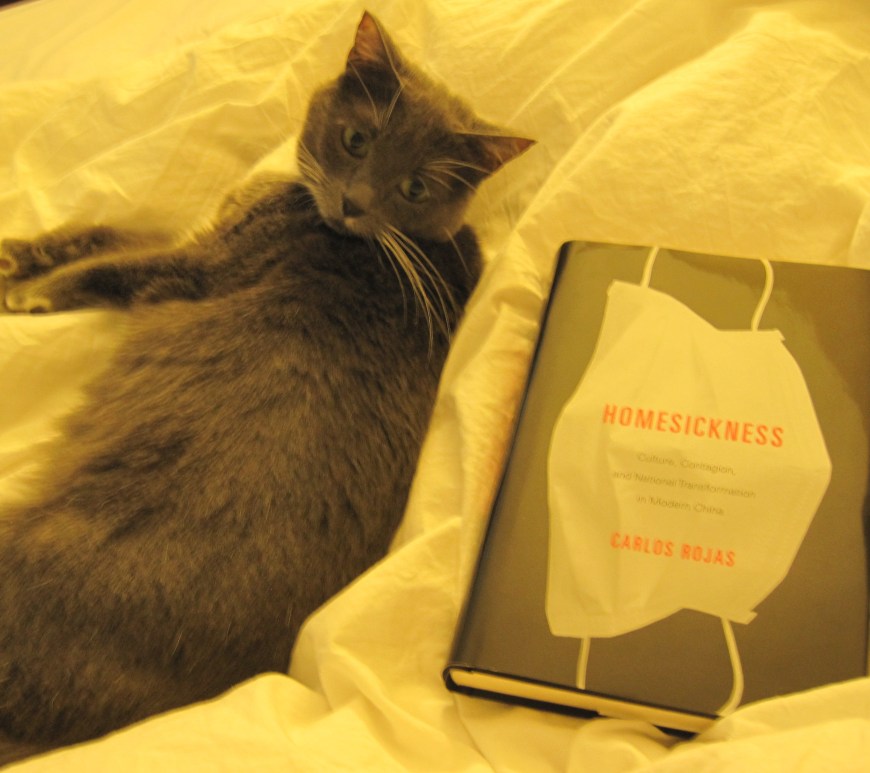
Homesickness: An Interview

Carlos Rojas’s new book is a wonderfully transdisciplinary exploration of discourses of sickness and disease in Chinese literature and cinema in the long twentieth century. As its title indicates, Homesickness: Culture, Contagion, and National Transformation in Modern China (Harvard University Press, 2015) focuses particularly on what Rojas calls “homesickness,” a condition wherein “a node of alterity is structurally expelled from an individual or collective body in order … Continue reading Homesickness: An Interview

Stations in the Field: An Interview

While museums, labs, and botanical gardens have been widely studied by historians of science, field stations have received comparatively little attention. Raf De Bont’s new book rectifies this oversight, turning our attention to the importance of biological field stations in the late nineteenth and early twentieth centuries in generating new scientific practices, theories, and networks. Stations in the Field: A History of Place-Based Animal Research, … Continue reading Stations in the Field: An Interview

Faxed: An Interview

Jonathan Coopersmith’s new book takes readers through the century-and-a-half-long history of the fax machine and the technologies that shaped and were shaped by it, from Alexander Bain’s 1843 patent to the computer-based faxing of the end of the 20th century. Faxed: The Rise and Fall of the Fax Machine (Johns Hopkins University Press, 2015) chronicles the transformations of fax wrought by a range of industries and technologies in … Continue reading Faxed: An Interview

The Life of the Buddha: An Interview

Kurtis R. Schaeffer’s new translation of Tenzin Chögyel’s The Life of the Buddha (Penguin Books, 2015) is a boon for teachers, researchers, and eager readers alike. Composed in the middle of the eighteenth century, The Life of the Buddha takes the form of twelve major life episodes that collectively provide a “blueprint for an ideal Buddhist life,” as readers follow the Bodhisattva from early pages teaching the gods in … Continue reading The Life of the Buddha: An Interview

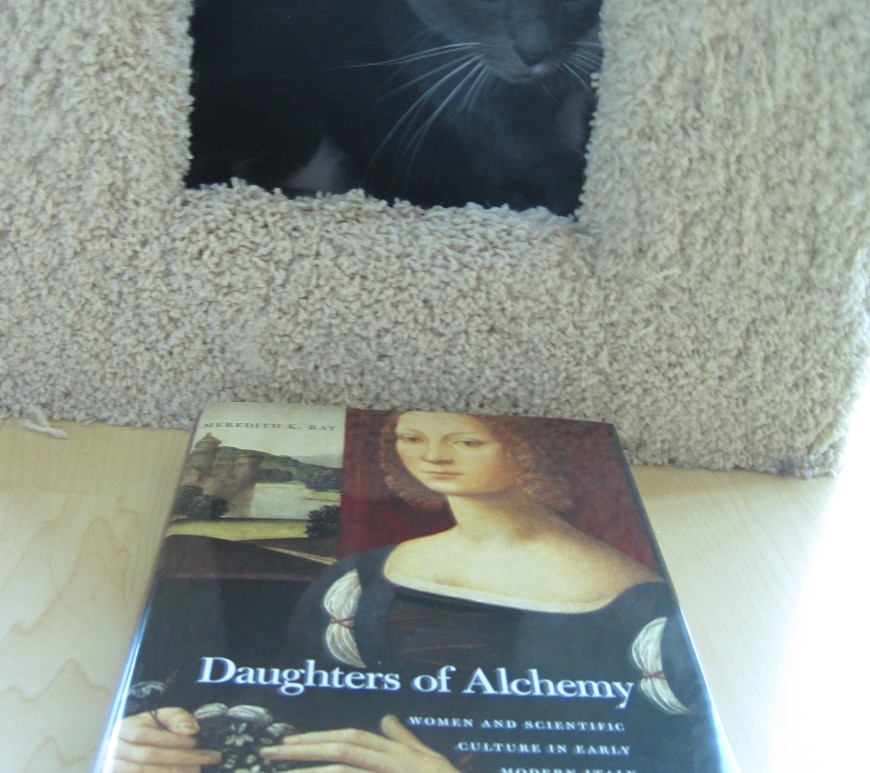
Daughters of Alchemy: An Interview

Meredith K. Ray’s new book explores women’s contributions to the landscape of scientific culture in early modern Italy from about 1500 to 1623. Women in this period were engaging with science in the home, at court, in vernacular literature, in academies, in salons, and in letters, and Daughters of Alchemy: Women and Scientific Culture in Early Modern Italy (Harvard University Press, 2015) looks both at women’s practical … Continue reading Daughters of Alchemy: An Interview