Allegories of Time and Space: An Interview

Jonathan M. Reynolds’s new book looks carefully at how photographers, architects, and others wrestled with a postwar identity crisis as they explored and struggled with new meanings of tradition, home, and culture in modern Japan. Building on the work of Walter Benjamin, Allegories of Time and Space: Japanese Identity in Photography and Architecture (University of Hawaii Press, 2015) takes readers into a range of media in which … Continue reading Allegories of Time and Space: An Interview

Vanishing into Things: An Interview

What is knowledge, why is it valuable, and how might it be cultivated? Barry Allen’s new book carefully considers the problem of knowledge in a range of Chinese philosophical discourses. Taking on the work of Confucians, Daoists, military theorists, Chan Buddhists, Neo-Confucian philosophers, and others, Vanishing into Things: Knowledge in Chinese Tradition (Harvard University Press, 2015) looks at the common threads and important differences in the ways that … Continue reading Vanishing into Things: An Interview

Introducing “Reading Notes: The Intertwining – The Chiasm”

In June 2015 – thanks to a workshop organized by Judy Farquhar, Volker Scheid, and me, and funded by the Wellcome Trust and the University of Chicago and the Canada Research Chair program – a phenomenal group of doctors and anthropologists and artists and historians and others gathered to create work together around the theme of “Translating Vitalities: Touch.” This became a kind of pop-up laboratory, a … Continue reading Introducing “Reading Notes: The Intertwining – The Chiasm”

Good Science: An Interview

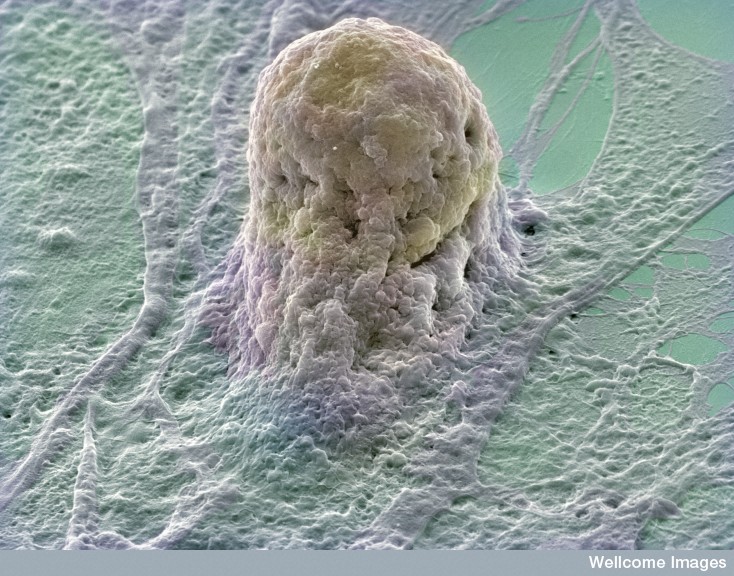
Charis Thompson’s Good Science: The Ethical Choreography of Stem Cell Research (MIT Press, 2013) is an important book that explores the “ethical choreography” of the consolidation of human embryonic stem cell research in the first decade of the twenty-first century, drawing important implications for the possible futures of stem cell research by looking carefully at its past and developing an approach to what Thompson calls “good science.” You … Continue reading Good Science: An Interview

Taming Tibet: An Interview

Emily T. Yeh’s Taming Tibet: Landscape Transformation and the Gift of Chinese Development (Cornell University Press, 2013) is an award-winning critical analysis of the production and transformation of the Tibetan landscape since 1950, construing development as a “state project that is presented as a gift to the Tibetan people” especially as it works to territorialize Tibet. Focusing on Lhasa and its environs, Yeh takes readers through key … Continue reading Taming Tibet: An Interview

Learned Patriots: An Interview

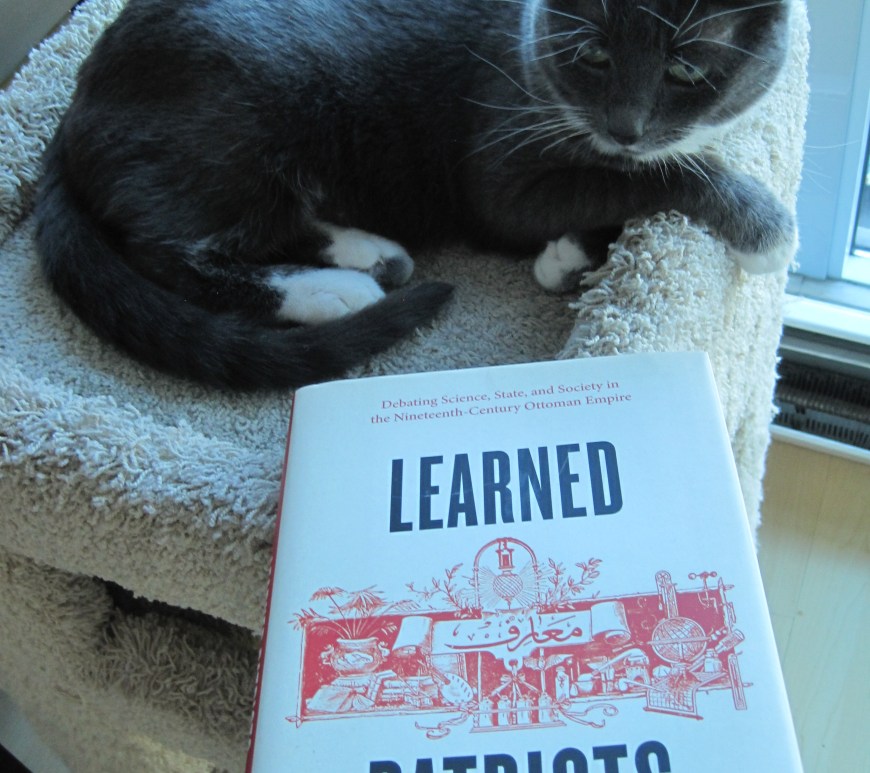
What were Ottomans talking about when they talked about science? In posing and answering that question (spoiler: they were talking about people), M. Alper Yalcinkaya’s new book Learned Patriots: Debating Science, State, and Society in the 19th-Century Ottoman Empire (University of Chicago Press, 2015) introduces the history of science as discussed and debated by nineteenth-century Turkish-speaking Muslim Ottomans in Istanbul. The book compellingly argues that these discussions and debates were … Continue reading Learned Patriots: An Interview

Visions of Science: An Interview

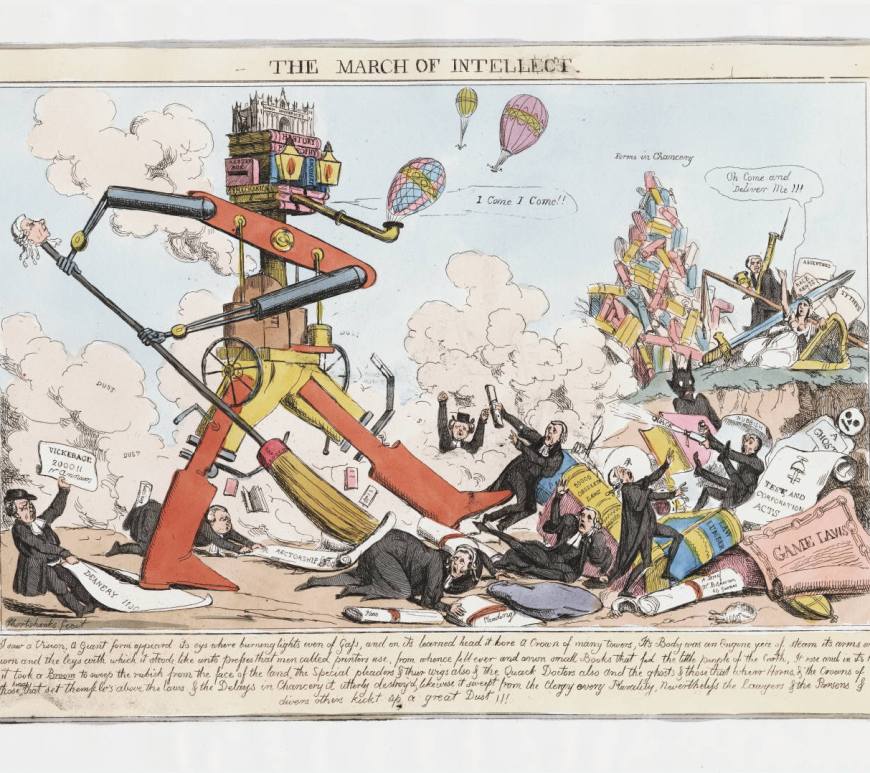
Jim Secord’s new book is both deeply enlightening and a pleasure to read. Visions of Science: Books and Readers at the Dawn of the Victorian Age (University of Chicago Press, 2014) is a fascinating exploration of books and their readers during a moment of intense transformation in British society. Secord brings us into a period of the nineteenth century when transformations in publishing and an expanded reading … Continue reading Visions of Science: An Interview

Unflattening: An Interview

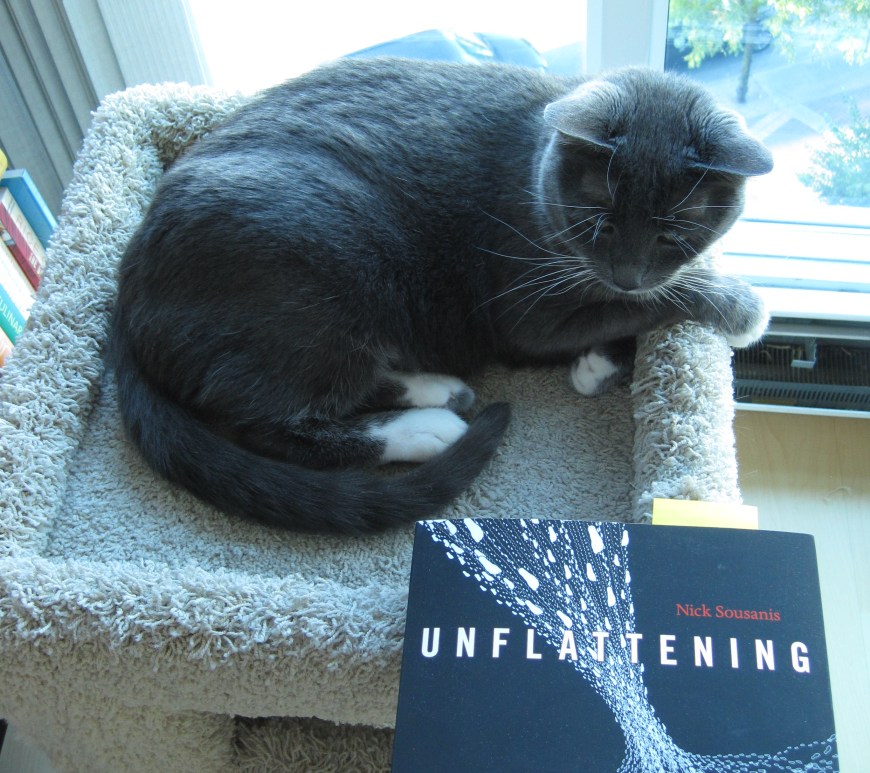
Nick Sousanis’s new book is a must-read for anyone interested in thinking or teaching about the relationships between text, image, visuality, and knowledge. Unflattening (Harvard University Press, 2015) uses the medium of comics to explore “flatness of sight” and help readers think and work beyond it by opening up new perceptive possibilities. We recently talked about the book for the NBN Seminar, and you can find our … Continue reading Unflattening: An Interview

Intellectual Work and the Spirit of Capitalism: An Interview

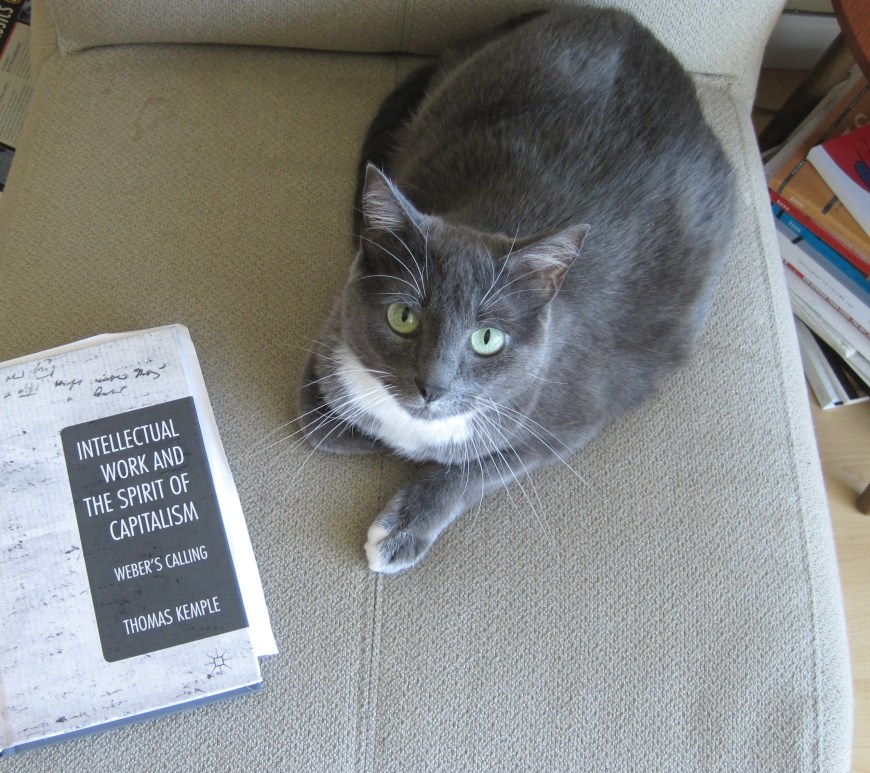
Thomas Kemple is not only a dear colleague with whom I teach in the Arts One Program at UBC, but is also a brilliant scholar and writer. His new book is an extraordinarily thoughtful invitation to approach Max Weber (1864-1920) as a performer, and to experience Weber’s work by attending to his spoken and written voice. Intellectual Work and the Spirit of Capitalism: Weber’s Calling (Palgrave Macmillan, … Continue reading Intellectual Work and the Spirit of Capitalism: An Interview