Observing by Hand: An Interview

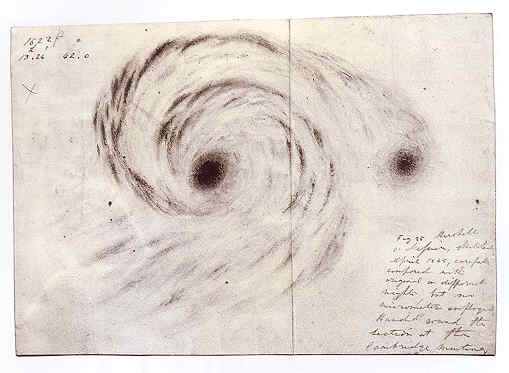
In Omar Nasim’s new book, a series of fascinating characters sketch, paint, and etch their way toward a mapping of the cosmos and the human mind. His book examines the history of observation of celestial nebulae in the nineteenth century, exploring the relationships among the acts of seeing, drawing, and knowing in producing visual knowledge about the heavens and its bodies. We had a chance to talk about … Continue reading Observing by Hand: An Interview

Recycling History: An Essay

Last year I published a short essay in the journal Tang Studies, occasioned by the publication of Valerie Hansen’s wonderful The Silk Road: A New History. The piece attempted to situate Hansen’s book within a broader consideration of contemporary research (and, importantly, teaching!) on Silk Road studies. You can find the issue in which the essay was published here. If you’d like to read it and can’t … Continue reading Recycling History: An Essay

Rewriting Medieval Japanese Women: An Interview

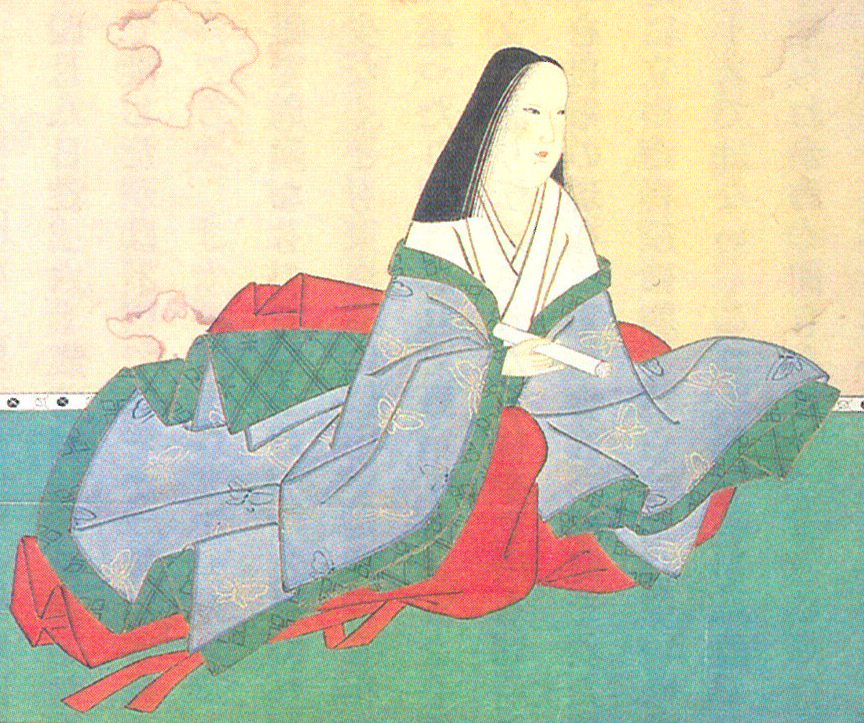
Known primarily as a travel writer thanks to the frequent assignment of her Diary in high school history and literature classes, Nun Abutsu was a thirteenth-century poet, scholar, and teacher, and also a prolific writer. Christina Laffin’s new book explores Abutsu’s life and written works, taking readers in turn through her letters, memoirs, poems, prayers, and travel diary, among others. You can listen to our conversation about it here. Continue reading Rewriting Medieval Japanese Women: An Interview

Subverting Aristotle: An Interview

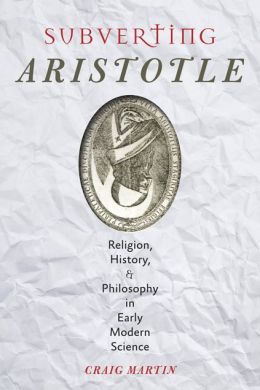
Craig Martin’s new book carefully traces religious arguments for and against Aristotelianism from the eleventh through the eighteenth centuries. Based on a close reading of a staggering array of primary sources, his book subverts several assumptions about the connection between Aristotelian thought and the emergence of the new sciences in early modernity. You can listen to our conversation about it here. Continue reading Subverting Aristotle: An Interview

Exploded View Diagram: Introducing A Series

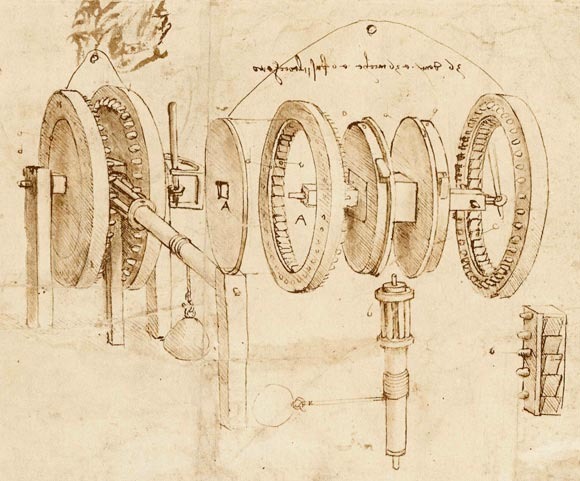
I want, here, simply to write. Briefly. Clearly. Sincerely. Daily. Motivated by that desire, I offer the Exploded View Diagram series in a spirit of sharing and communication, of openness to the unpolished, of celebrating in-progress-ness, of following connections and connectivity, of agonism’s antonym. This is an attempt to create a space for articulating and disarticulating some of the pebbles in the soil from which … Continue reading Exploded View Diagram: Introducing A Series

Hyperobjects: An Interview

In his recent book, Timothy Morton offers a way of thinking with and about hyperobjects, particular kinds of things of which we see only pieces at any given moment. It is about global warming and intimacy and object-oriented ontology and modern art and the possibilities of a phenomenology after we get rid of any notion of “the world” as something out-there and beyond-us. For those who are … Continue reading Hyperobjects: An Interview

The Nature of the Beasts: An Interview

A new understanding of animals was central to how Japanese people redefined their place in the natural world in the nineteenth century. In his recent book, Ian Miller explores this transformation and its reverberations in a fascinating study of the emergence of an “ecological modernity” at the Ueno Zoo in the late nineteenth and early twentieth centuries. We spoke about the book earlier this year, and you … Continue reading The Nature of the Beasts: An Interview

The Global and Beyond: An Essay

Last year, I wrote a little piece on the “global turn” in the history of science, taking a moment to consider that turn not from the perspective of what we’re studying, but of how we’re doing it. It was published in a focus section of the journal Isis on “The Future of the History of Science” and you can find it here. The main take-away point, and one that I’m still … Continue reading The Global and Beyond: An Essay

Maggots, Jawbones, and a Multilingual Archive of Decay: An Essay

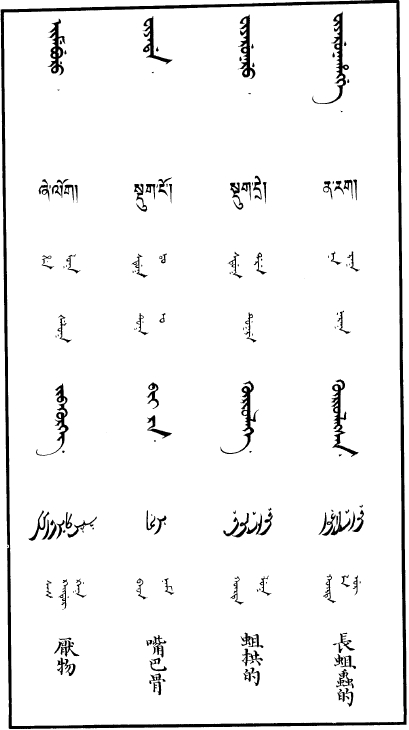
What has it looked like to translate expletives and curses across languages, and what might we learn from looking closely at an example of a text that tries to do just that? I recently (and very briefly) wrote about this phenomenon in the context of a Qing-era pentaglot dictionary. My thoughts on this text and phenomenon are very much in-progress, but you can find a snapshot … Continue reading Maggots, Jawbones, and a Multilingual Archive of Decay: An Essay

White Lotus Rebels and South China Pirates: An Interview

Wensheng Wang’s new book takes us into a key turning point in the history of the Qing empire, the Qianlong-Jiaqing reign periods. Wang’s book aims to transform how we understand this crucial period in light of the eruption of major social and political crises and the consequences of imperial response to those crises for Qing and world history, and you can listen to our conversation about it here. Continue reading White Lotus Rebels and South China Pirates: An Interview