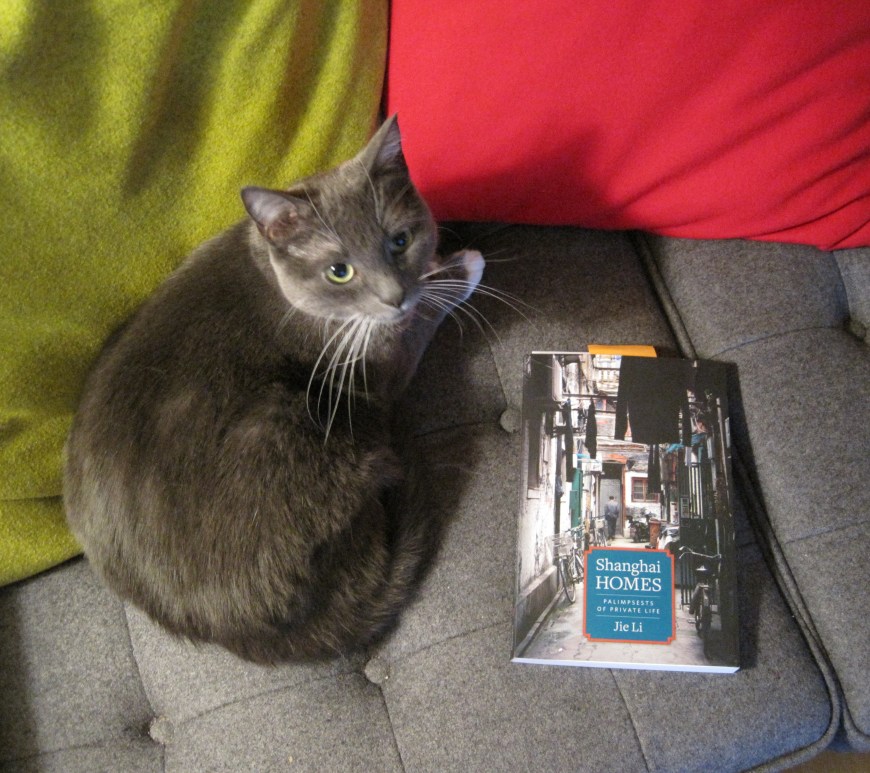
Shanghai Homes: An Interview

Jie Li’s new book Shanghai Homes: Palimpsests of Private Life (Columbia University Press, 2015) explores the history and culture of Shanghai alleyway homes by focusing on two physical spaces, both built in the early twentieth century by Japanese and British companies, and both located in the industrial Yangshupu district in the eastern part of what was the International Settlement in Shanghai. An old house, here, is a … Continue reading Shanghai Homes: An Interview

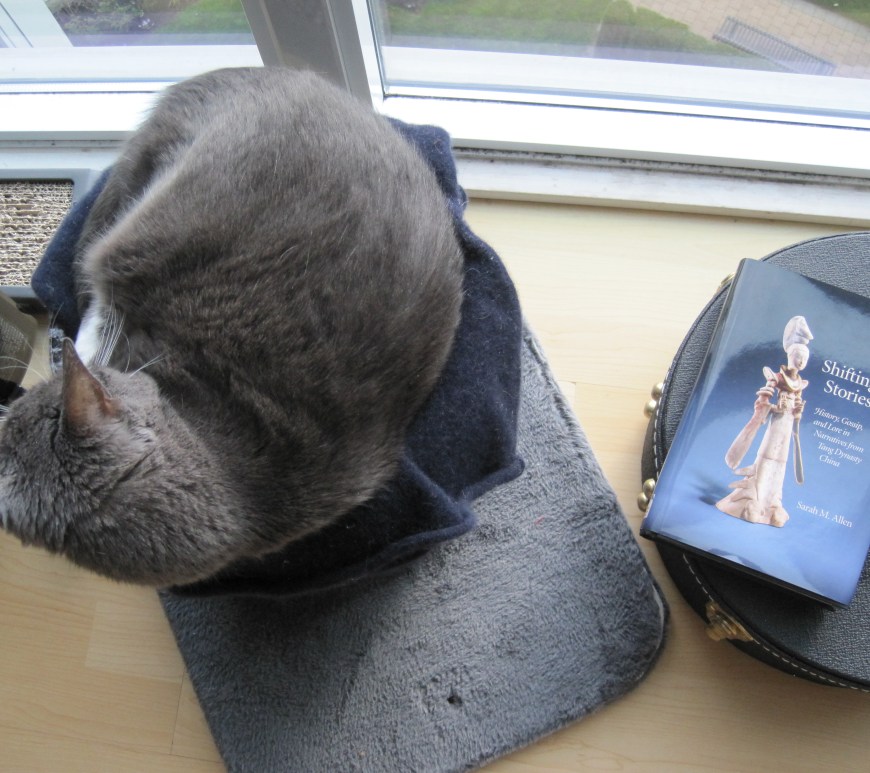
Shifting Stories: An Interview

Sarah M. Allen’s new book looks at the literature of tales in eighth- and ninth-century China. Shifting Stories: History, Gossip, and Lore in Narratives from Tang Dynasty China (Harvard University Asia Center, 2014) situates Tang tales in the context of social story exchange among elite men. Allen’s work not only contributes significantly to how we understand and frame concepts like fiction and fact, authorship, gossip, and collection, … Continue reading Shifting Stories: An Interview

Laruelle: An Interview

What is non-philosophy, what would it look like to practice it, and what are the implications of doing so? Alexander R. Galloway introduces and explores these questions in a vibrant and thoughtful new book. Laruelle: Against the Digital (University of Minnesota Press, 2014) uses François Laruelle’s non-philosophy as a foundation for considering the philosophical concept of digitality.  We had a chance to talk about it for the New Books in … Continue reading Laruelle: An Interview

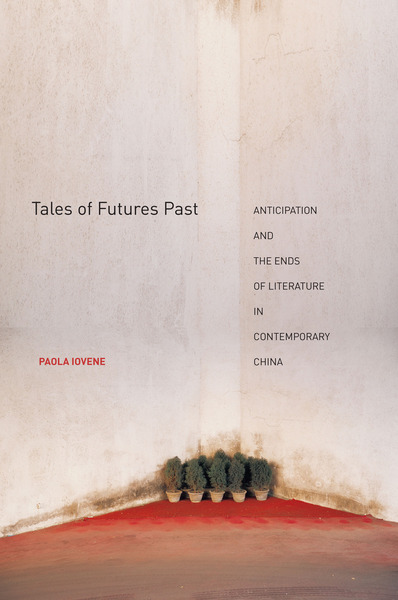
Tales of Futures Past: An Interview

Paola Iovene’s new book is a beautiful exploration of visions of the future as they have shaped a range of texts, genres, and editorial practices in Chinese literature from the middle of the twentieth century through the beginning of the twenty-first century. Tales of Futures Past traces ideas of the future through children’s books, popular science, science fiction, poetry, fiction, and other kinds of text and practice. … Continue reading Tales of Futures Past: An Interview

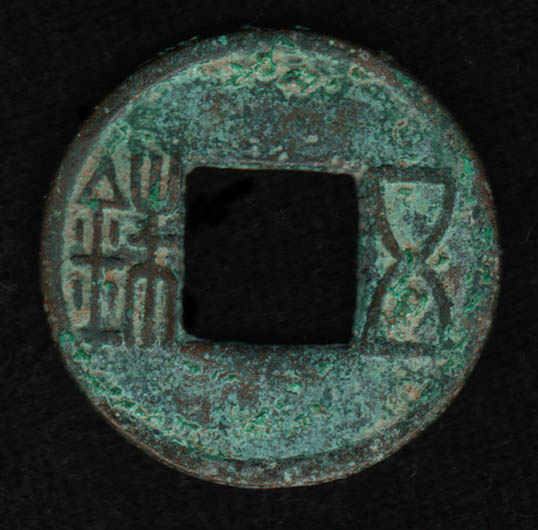
Savage Exchange: An Interview

Tamara Chin’s new book is awesome: it’s a tour de force and a must-read for anyone interested in early China, the history of economy, or inter-disciplinarity in the humanities. Focusing on the reign of Han Emperor Wu (r. 141-87 BCE), Savage Exchange carefully considers how this earliest period of expansion of China’s markets and frontiers inspired scholarly debates over the relationships of frontier, market, word, and world. … Continue reading Savage Exchange: An Interview

The Annals of King T’aejo: An Interview

Byonghyon Choi’s new book makes a key document of Korean and world history available in English in a volume that will be tremendously useful for both scholarship and teaching. The Annals of King T’aejo translates an important excerpt from The Veritable Records of the Choson Dynasty, a historical record that documents important events and historical developments from the first 472 years of the Choson period in Korean history, … Continue reading The Annals of King T’aejo: An Interview

Banking on the Body: An Interview

How did we come to think of spaces for the storage and circulation of body parts as “banks,” and what are the consequences of that history for the way we think about human bodies as property today? Kara W. Swanson’s wonderful new book traces the history of body banks in America from the nineteenth century to today, focusing especially on milk, blood, and sperm. We had … Continue reading Banking on the Body: An Interview

Life on Display: An Interview

In lucid prose that’s a real pleasure to read, Karen Rader and Victoria Cain’s new book chronicles a revolution in modern American science education and culture. Life on Display: Revolutionizing U. S. Museums of Science & Natural History in the Twentieth Century guides readers through a transformation in American science and nature museums as museums moved from a nineteenth-century focus on research and specimen collections to a twentieth-century emphasis on … Continue reading Life on Display: An Interview

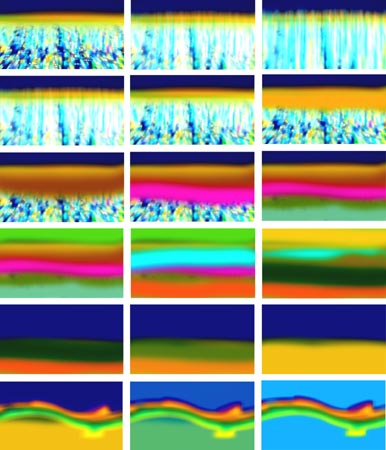
Chromatic Algorithms: An Interview

Carolyn L. Kane’s new book traces the modern history of digital color, focusing on the role of electronic color in computer art and media aesthetics since 1960. Chromatic Algorithms: Synthetic Color, Computer Art, and Aesthetics after Code places color at the center of media studies, exploring some amazing works of art and technology to understand the changing history of the relationship between color as embodied in machine … Continue reading Chromatic Algorithms: An Interview

Tweeting Da Vinci: An Interview

Ann C. Pizzorusso’s new book is a creative and gorgeously illustrated meeting of geology, art history, and Renaissance studies. Arguing that understanding Italy’s geological history can significantly inform how we see its art, literature, medicine, architecture, and more, Tweeting Da Vinci takes a deeply interdisciplinary approach to engaging the cultural history of Italy from the Etruscans to Da Vinci and beyond. You can listen to us talking about … Continue reading Tweeting Da Vinci: An Interview