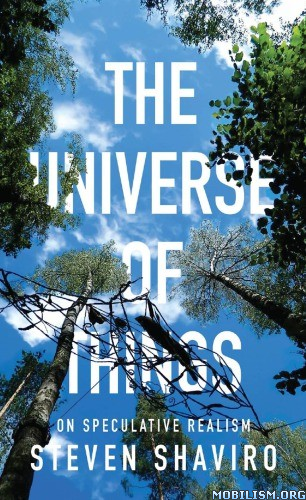
The Universe of Things: An Interview

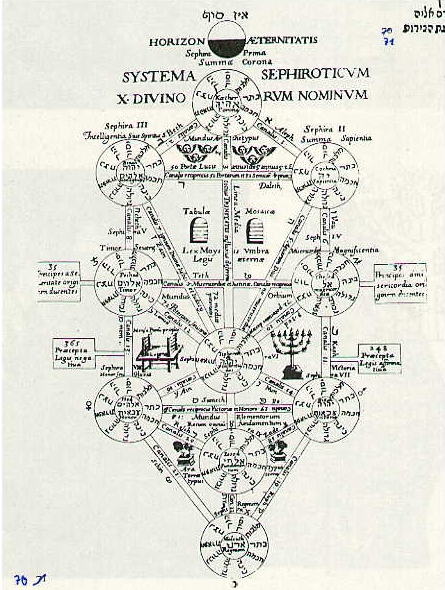
Steven Shaviro’s new book is a wonderfully engaging study of speculative realism, new materialism, and the ways in which those fields can speak to and be informed by the philosophy of Alfred North Whitehead. The Universe of Things emphasizes the importance of aesthetics and aesthetic theory to reading and engaging the work of Whitehead, Harman, Meillassoux, Kant, Levinas, Bryant, and others as an ongoing conversation about how … Continue reading The Universe of Things: An Interview

Contemporary Korean Art: An Interview

Joan Kee’s new book is a gorgeous and thoughtful introduction to the history of contemporary art in Korea that traces the creation, promotion, reception, and rhetoric of work produced by artists who made large, mostly abstract paintings in neutral colors from the mid-1960s to the mid-1970s. You can listen to us talking about it for the New Books in East Asian Studies podcast here. Continue reading Contemporary Korean Art: An Interview

Graphesis: An Interview

Johanna Drucker’s marvelous new book gives us a language with which to talk about visual epistemology. Graphesis introduces the nature and function of information graphics, awakens readers to the visual interfaces prevalent in our daily work, and considers how paying careful attention to visual interpretation can serve a broader humanistic agenda. We had a chance to talk about it for the New Books Network Seminar, and you … Continue reading Graphesis: An Interview

Commercial Visions: An Interview

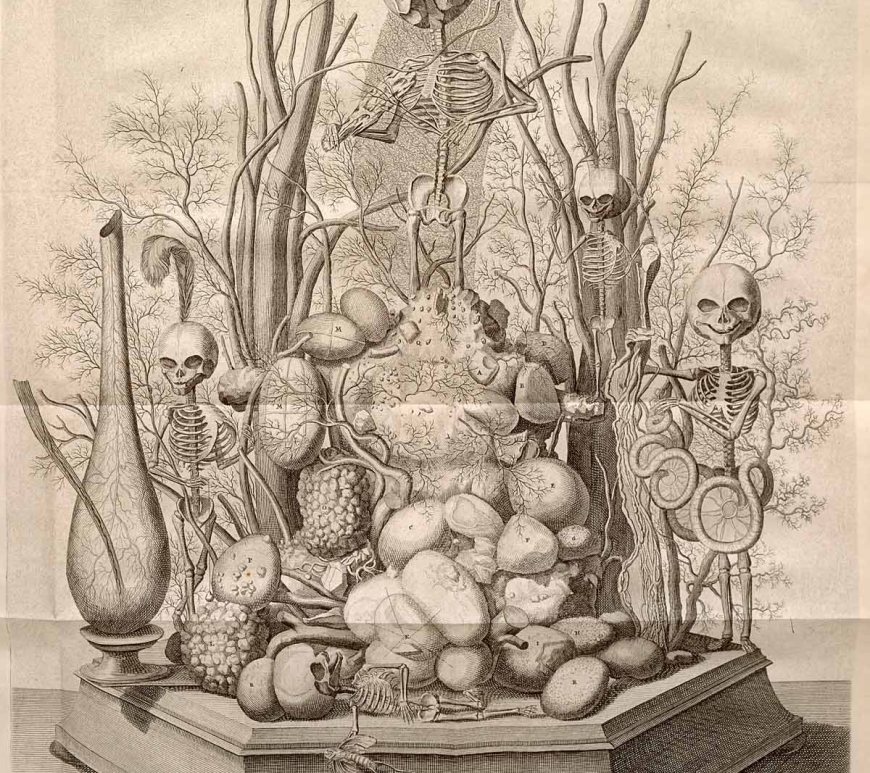
Dániel Margócsy’s beautiful new book explores the changing world of entrepreneurial science in the early modern Netherlands. Commercial Visions considers scientific knowledge as a commodity, looking carefully at how the growth of global trade in the Dutch Golden Age shaped anatomy and natural history as commercial practices. We had a chance to talk about it recently for the New Books in STS podcast, and you can find our conversation … Continue reading Commercial Visions: An Interview

The Elements of Academic Style: An Interview

Every academic-writing person should own a copy of Eric Hayot’s new book. The Elements of Academic Style is a style guide geared specifically toward academic writers in the humanities, paying special attention to the field of literary and cultural theory but applying equally well across humanistic disciplines. It’s fabulous, Eric generously made time to talk with me about it for the New Books Network Seminar, and you can … Continue reading The Elements of Academic Style: An Interview

Public Memory in Early China: An Interview

Ken Brashier’s wonderful new book, a must-read for scholars of Chinese studies, offers a history of identity and public memory in early China. We had a chance to talk about it for the New Books in East Asian Studies podcast, it was a lot of fun, and you can listen to the interview here. (Ken and I also talked about his previous – and also awesome – book … Continue reading Public Memory in Early China: An Interview

Bad Water: An Interview

Robert Stoltz’s fascinating book Bad Water explores the emergence of an environmental turn in modern Japan, guiding readers through the unfolding of successive eco-historical periods in Japan while charting the transformations of an “environmental unconscious” lying at the foundation of modern social and political thought. Robert and I had a chance to talk about it for the New Books in East Asian Studies podcast, and you can listen to our conversation here. Continue reading Bad Water: An Interview

Huxley’s Church and Maxwell’s Demon: An Interview

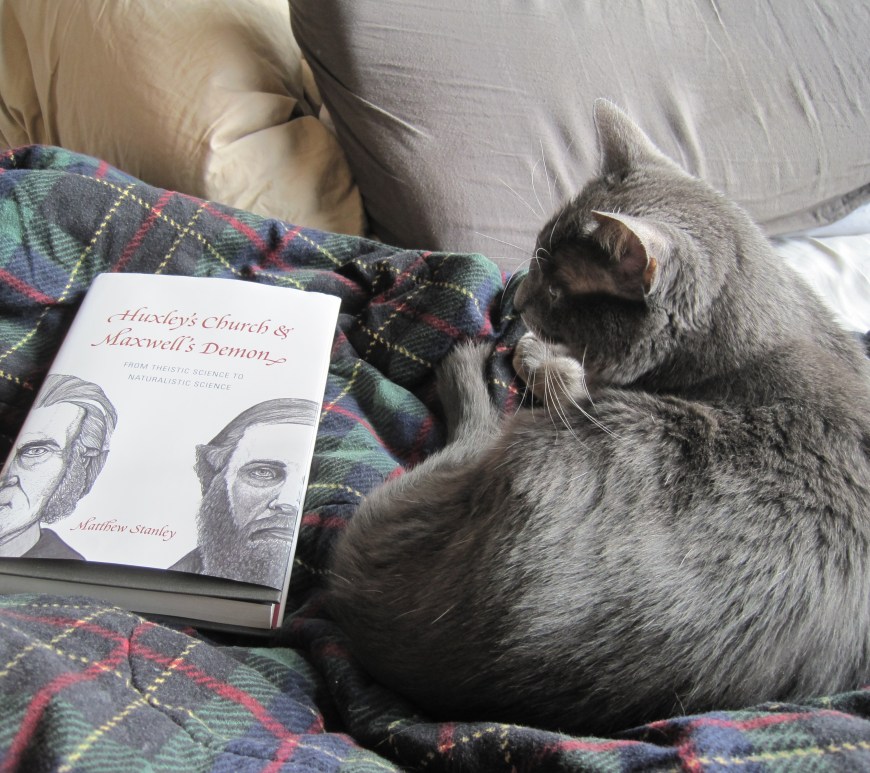
Matthew Stanley’s wonderful new book introduces James Clerk Maxwell (1831-79) and T.H. Huxley (1825-95) as they embodied theistic and naturalistic science, respectively, in Victorian Britain. Moving well beyond the widespread assumption that modern science and religion are and always have been fundamentally antithetical to one another, Huxley’s Church and Maxwell’s Demon offers a history of scientific naturalism that illustrates the deep and fundamental commonalities between positions on the proper practice … Continue reading Huxley’s Church and Maxwell’s Demon: An Interview

Modern Archaics: An Interview

I recently had the opportunity to talk with Shengqing Wu about her new book on practices and discourses of classical poetry in early twentieth-century China. Modern Archaics considers the relationship between history and lyricism in contexts of (1) historical trauma and loss; (2) the development of affective communities that treated lyric composition as an integral part of shared social practice; and (3) travel and translation.  It’s a … Continue reading Modern Archaics: An Interview

Life, War, Earth: An Interview

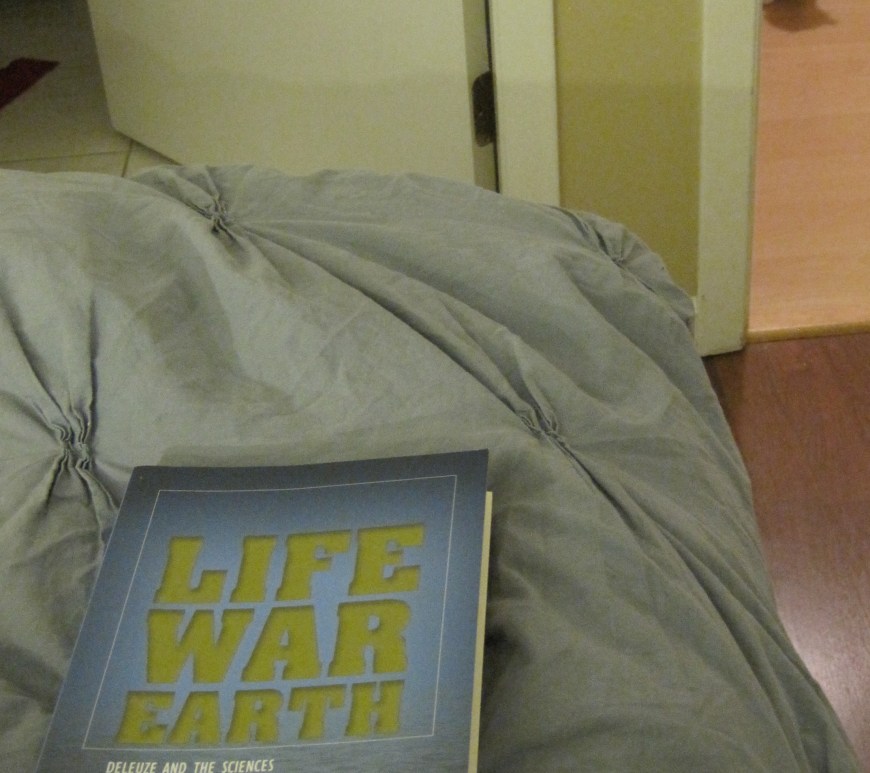
John Protevi’s new book creates a wonderfully stimulating dialogue between the work of Gilles Deleuze and some key works and concepts animating contemporary geophilosophy, cognitive science, and biology. In doing so, Protevi’s work also has the potential to inform work in STS by turning our attention to new possibilities of thinking with scale, and with a process-oriented philosophy (among many other things). You can listen to … Continue reading Life, War, Earth: An Interview