Forensic Media: An Interview

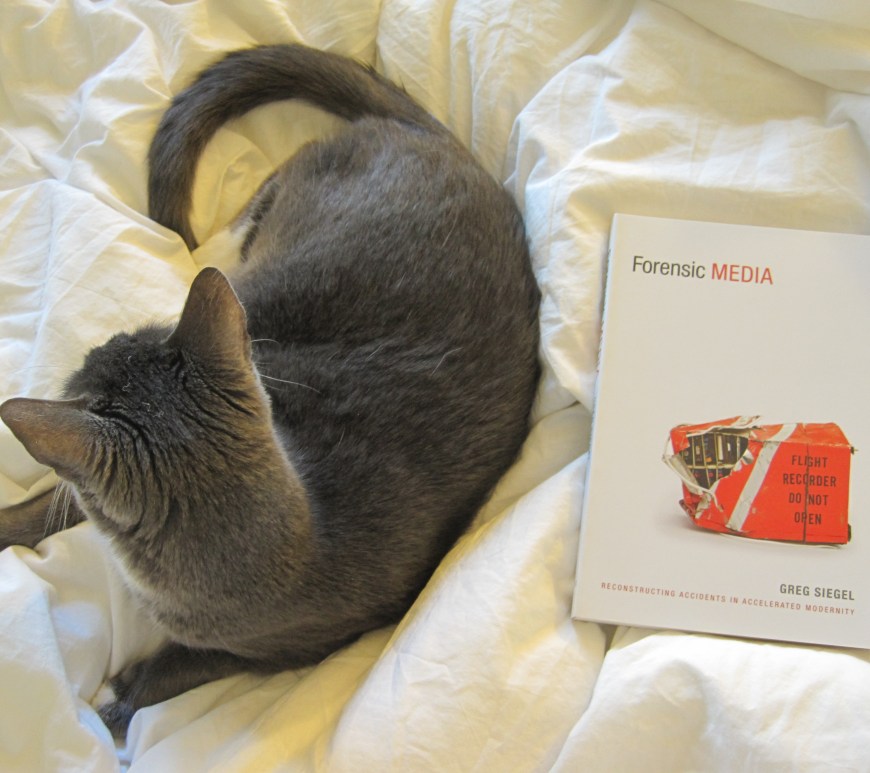
Greg Siegel’s new book is a wonderfully engaging and meticulously researched account of a dual tendency in modern technological life: treating forensic knowledge of accident causation as a key to solving the accident, and treating this knowledge as the source for the future improvement of both technology and civilization. Forensic Media: Reconstructing Accidents in Accelerated Modernity (Duke University Press, 2014) argues that accidents, forensics, and media have been … Continue reading Forensic Media: An Interview

Industrial Eden: An Interview

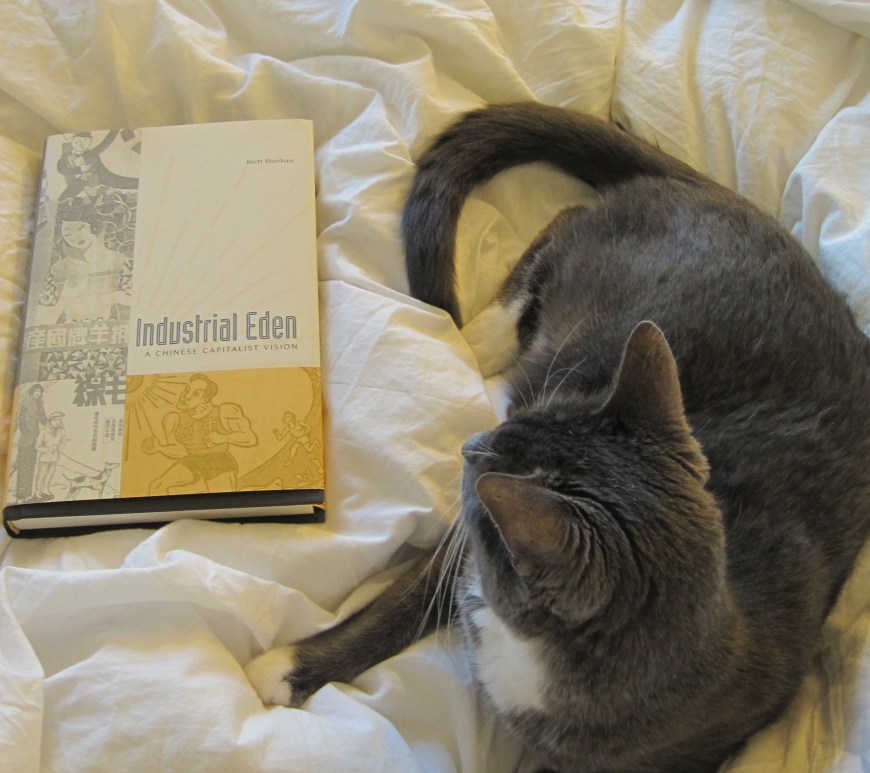
Brett Sheehan’s new book traces the interwoven histories of capitalism and the Song family under a series of five authoritarian governments in North China. Based on a wide range of sources a range of sources including family papers, missionary archives, corporate records, government documents, newspapers, oral histories, novels, and interviews, Industrial Eden: A Chinese Capitalist Vision (Harvard UP, 2015) explores a family of “capitalists without capitalism.” The book … Continue reading Industrial Eden: An Interview

Homesickness: An Interview

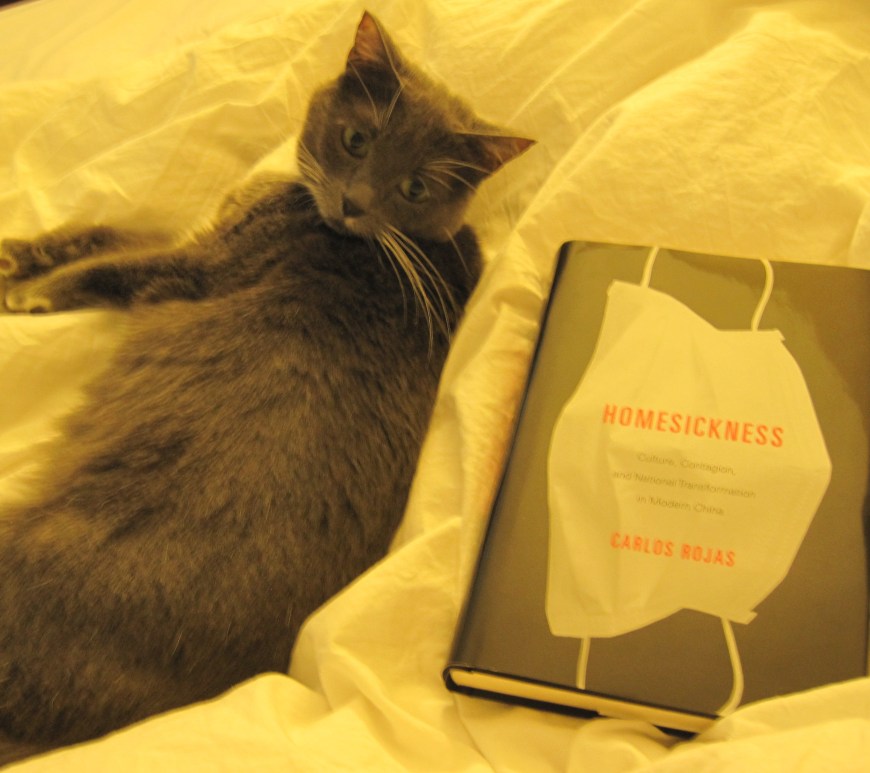
Carlos Rojas’s new book is a wonderfully transdisciplinary exploration of discourses of sickness and disease in Chinese literature and cinema in the long twentieth century. As its title indicates, Homesickness: Culture, Contagion, and National Transformation in Modern China (Harvard University Press, 2015) focuses particularly on what Rojas calls “homesickness,” a condition wherein “a node of alterity is structurally expelled from an individual or collective body in order … Continue reading Homesickness: An Interview

Stations in the Field: An Interview

While museums, labs, and botanical gardens have been widely studied by historians of science, field stations have received comparatively little attention. Raf De Bont’s new book rectifies this oversight, turning our attention to the importance of biological field stations in the late nineteenth and early twentieth centuries in generating new scientific practices, theories, and networks. Stations in the Field: A History of Place-Based Animal Research, … Continue reading Stations in the Field: An Interview

Faxed: An Interview

Jonathan Coopersmith’s new book takes readers through the century-and-a-half-long history of the fax machine and the technologies that shaped and were shaped by it, from Alexander Bain’s 1843 patent to the computer-based faxing of the end of the 20th century. Faxed: The Rise and Fall of the Fax Machine (Johns Hopkins University Press, 2015) chronicles the transformations of fax wrought by a range of industries and technologies in … Continue reading Faxed: An Interview

Allegories of Time and Space: An Interview

Jonathan M. Reynolds’s new book looks carefully at how photographers, architects, and others wrestled with a postwar identity crisis as they explored and struggled with new meanings of tradition, home, and culture in modern Japan. Building on the work of Walter Benjamin, Allegories of Time and Space: Japanese Identity in Photography and Architecture (University of Hawaii Press, 2015) takes readers into a range of media in which … Continue reading Allegories of Time and Space: An Interview

Good Science: An Interview

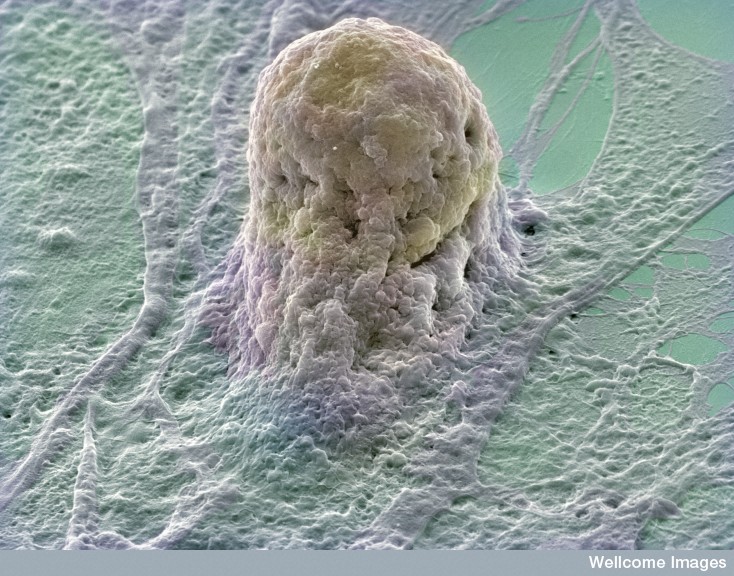
Charis Thompson’s Good Science: The Ethical Choreography of Stem Cell Research (MIT Press, 2013) is an important book that explores the “ethical choreography” of the consolidation of human embryonic stem cell research in the first decade of the twenty-first century, drawing important implications for the possible futures of stem cell research by looking carefully at its past and developing an approach to what Thompson calls “good science.” You … Continue reading Good Science: An Interview

Taming Tibet: An Interview

Emily T. Yeh’s Taming Tibet: Landscape Transformation and the Gift of Chinese Development (Cornell University Press, 2013) is an award-winning critical analysis of the production and transformation of the Tibetan landscape since 1950, construing development as a “state project that is presented as a gift to the Tibetan people” especially as it works to territorialize Tibet. Focusing on Lhasa and its environs, Yeh takes readers through key … Continue reading Taming Tibet: An Interview

Shanghai Homes: An Interview

Jie Li’s new book Shanghai Homes: Palimpsests of Private Life (Columbia University Press, 2015) explores the history and culture of Shanghai alleyway homes by focusing on two physical spaces, both built in the early twentieth century by Japanese and British companies, and both located in the industrial Yangshupu district in the eastern part of what was the International Settlement in Shanghai. An old house, here, is a … Continue reading Shanghai Homes: An Interview

Laruelle: An Interview

What is non-philosophy, what would it look like to practice it, and what are the implications of doing so? Alexander R. Galloway introduces and explores these questions in a vibrant and thoughtful new book. Laruelle: Against the Digital (University of Minnesota Press, 2014) uses François Laruelle’s non-philosophy as a foundation for considering the philosophical concept of digitality.  We had a chance to talk about it for the New Books in … Continue reading Laruelle: An Interview