Tales of Futures Past: An Interview

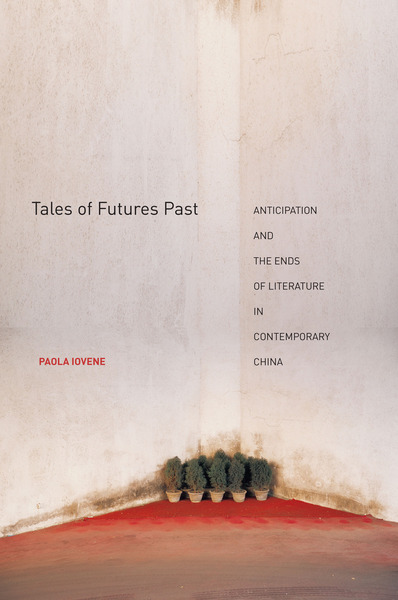
Paola Iovene’s new book is a beautiful exploration of visions of the future as they have shaped a range of texts, genres, and editorial practices in Chinese literature from the middle of the twentieth century through the beginning of the twenty-first century. Tales of Futures Past traces ideas of the future through children’s books, popular science, science fiction, poetry, fiction, and other kinds of text and practice. … Continue reading Tales of Futures Past: An Interview

Banking on the Body: An Interview

How did we come to think of spaces for the storage and circulation of body parts as “banks,” and what are the consequences of that history for the way we think about human bodies as property today? Kara W. Swanson’s wonderful new book traces the history of body banks in America from the nineteenth century to today, focusing especially on milk, blood, and sperm. We had … Continue reading Banking on the Body: An Interview

Life on Display: An Interview

In lucid prose that’s a real pleasure to read, Karen Rader and Victoria Cain’s new book chronicles a revolution in modern American science education and culture. Life on Display: Revolutionizing U. S. Museums of Science & Natural History in the Twentieth Century guides readers through a transformation in American science and nature museums as museums moved from a nineteenth-century focus on research and specimen collections to a twentieth-century emphasis on … Continue reading Life on Display: An Interview

Chromatic Algorithms: An Interview

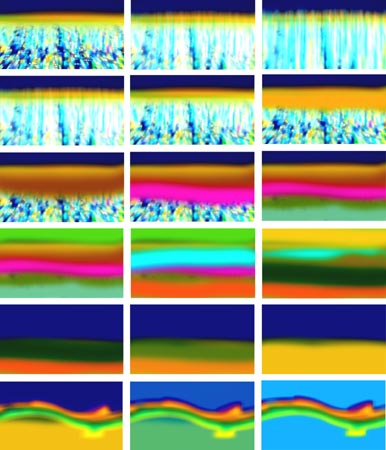
Carolyn L. Kane’s new book traces the modern history of digital color, focusing on the role of electronic color in computer art and media aesthetics since 1960. Chromatic Algorithms: Synthetic Color, Computer Art, and Aesthetics after Code places color at the center of media studies, exploring some amazing works of art and technology to understand the changing history of the relationship between color as embodied in machine … Continue reading Chromatic Algorithms: An Interview

Contemporary Korean Art: An Interview

Joan Kee’s new book is a gorgeous and thoughtful introduction to the history of contemporary art in Korea that traces the creation, promotion, reception, and rhetoric of work produced by artists who made large, mostly abstract paintings in neutral colors from the mid-1960s to the mid-1970s. You can listen to us talking about it for the New Books in East Asian Studies podcast here. Continue reading Contemporary Korean Art: An Interview

Bad Water: An Interview

Robert Stoltz’s fascinating book Bad Water explores the emergence of an environmental turn in modern Japan, guiding readers through the unfolding of successive eco-historical periods in Japan while charting the transformations of an “environmental unconscious” lying at the foundation of modern social and political thought. Robert and I had a chance to talk about it for the New Books in East Asian Studies podcast, and you can listen to our conversation here. Continue reading Bad Water: An Interview

Modern Archaics: An Interview

I recently had the opportunity to talk with Shengqing Wu about her new book on practices and discourses of classical poetry in early twentieth-century China. Modern Archaics considers the relationship between history and lyricism in contexts of (1) historical trauma and loss; (2) the development of affective communities that treated lyric composition as an integral part of shared social practice; and (3) travel and translation.  It’s a … Continue reading Modern Archaics: An Interview

Life, War, Earth: An Interview

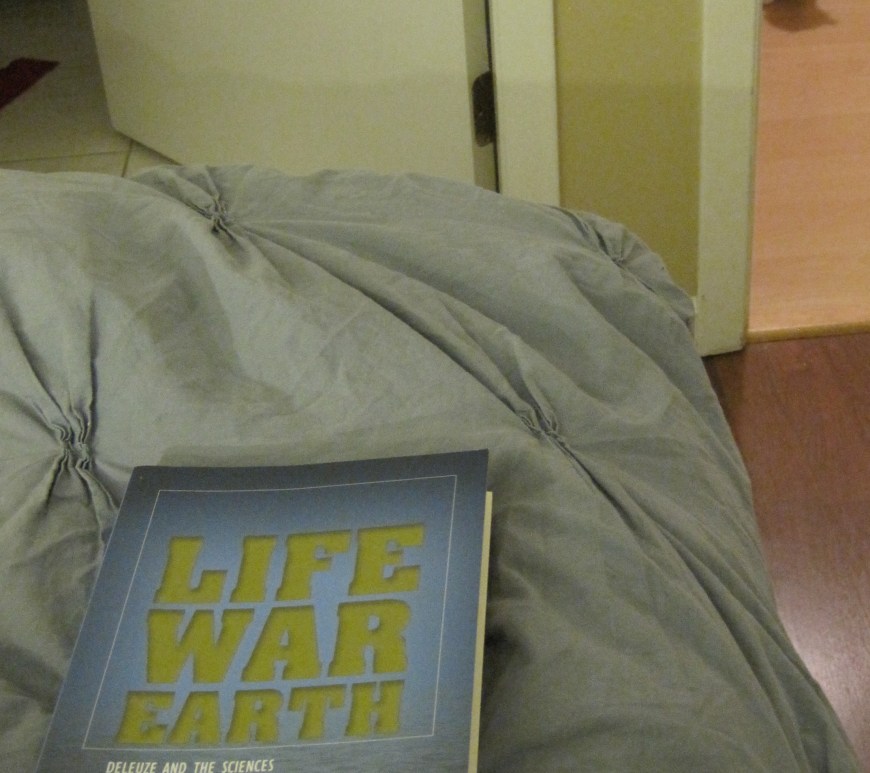
John Protevi’s new book creates a wonderfully stimulating dialogue between the work of Gilles Deleuze and some key works and concepts animating contemporary geophilosophy, cognitive science, and biology. In doing so, Protevi’s work also has the potential to inform work in STS by turning our attention to new possibilities of thinking with scale, and with a process-oriented philosophy (among many other things). You can listen to … Continue reading Life, War, Earth: An Interview

Dealing with Darwin: An Interview

David Livingstone’s new book traces the processes by which communities of the late nineteenth and early twentieth centuries that shared the same Scottish Calvinist heritage engaged with Darwin and Darwinians in different local contexts. This wonderful book locates evolutionary debates in particular sites and situations as a way of understanding the history of science in terms of “geographies of reading” and “speech spaces,” and you can listen to our … Continue reading Dealing with Darwin: An Interview