Huxley’s Church and Maxwell’s Demon: An Interview

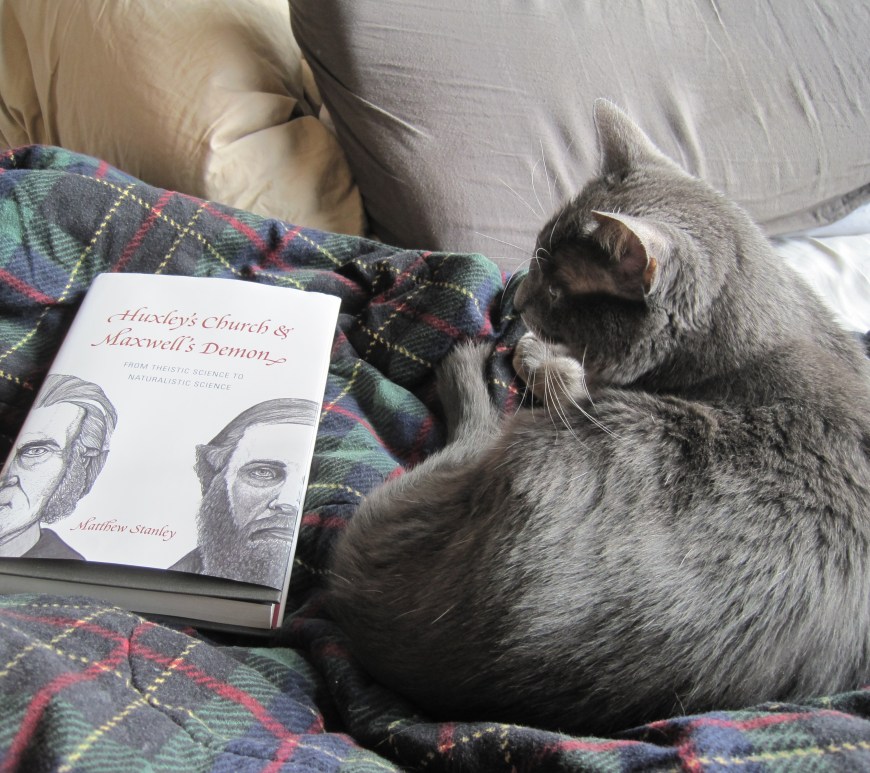
Matthew Stanley’s wonderful new book introduces James Clerk Maxwell (1831-79) and T.H. Huxley (1825-95) as they embodied theistic and naturalistic science, respectively, in Victorian Britain. Moving well beyond the widespread assumption that modern science and religion are and always have been fundamentally antithetical to one another, Huxley’s Church and Maxwell’s Demon offers a history of scientific naturalism that illustrates the deep and fundamental commonalities between positions on the proper practice … Continue reading Huxley’s Church and Maxwell’s Demon: An Interview

Dealing with Darwin: An Interview

David Livingstone’s new book traces the processes by which communities of the late nineteenth and early twentieth centuries that shared the same Scottish Calvinist heritage engaged with Darwin and Darwinians in different local contexts. This wonderful book locates evolutionary debates in particular sites and situations as a way of understanding the history of science in terms of “geographies of reading” and “speech spaces,” and you can listen to our … Continue reading Dealing with Darwin: An Interview

Observing by Hand: An Interview

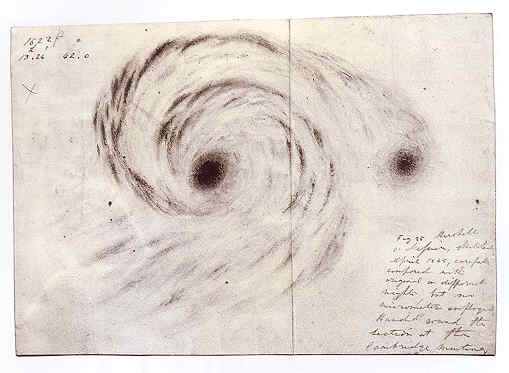
In Omar Nasim’s new book, a series of fascinating characters sketch, paint, and etch their way toward a mapping of the cosmos and the human mind. His book examines the history of observation of celestial nebulae in the nineteenth century, exploring the relationships among the acts of seeing, drawing, and knowing in producing visual knowledge about the heavens and its bodies. We had a chance to talk about … Continue reading Observing by Hand: An Interview

Subverting Aristotle: An Interview

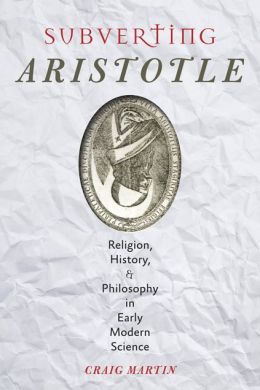
Craig Martin’s new book carefully traces religious arguments for and against Aristotelianism from the eleventh through the eighteenth centuries. Based on a close reading of a staggering array of primary sources, his book subverts several assumptions about the connection between Aristotelian thought and the emergence of the new sciences in early modernity. You can listen to our conversation about it here. Continue reading Subverting Aristotle: An Interview

Catching Nature in the Act: An Interview

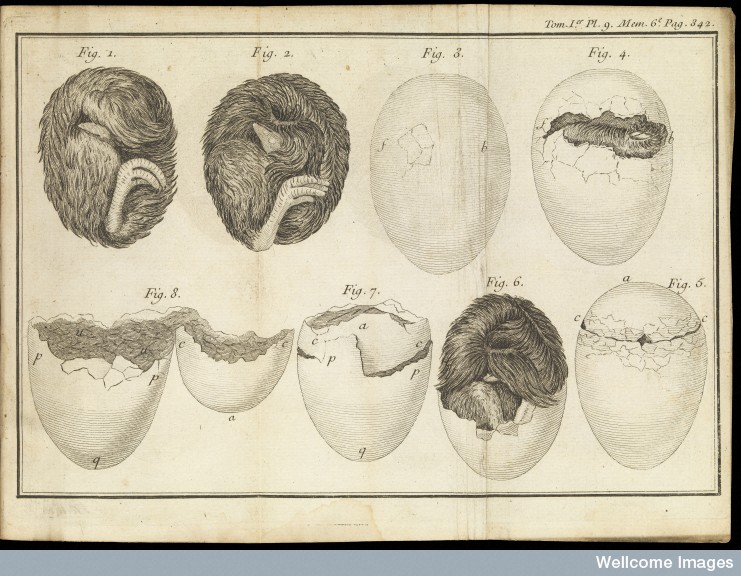
Mary Terrall’s new book is a beautifully-written, carefully-researched, and compellingly-argued account of the practices of natural history in the eighteenth-century francophone world. It is a must-read for historians of science, and as a bonus it also includes descriptions of frog pants, chickens wearing stockings, and mittens made of spider silk. You can find our conversation about it here. Continue reading Catching Nature in the Act: An Interview

Emil du Bois-Reymond: An Interview

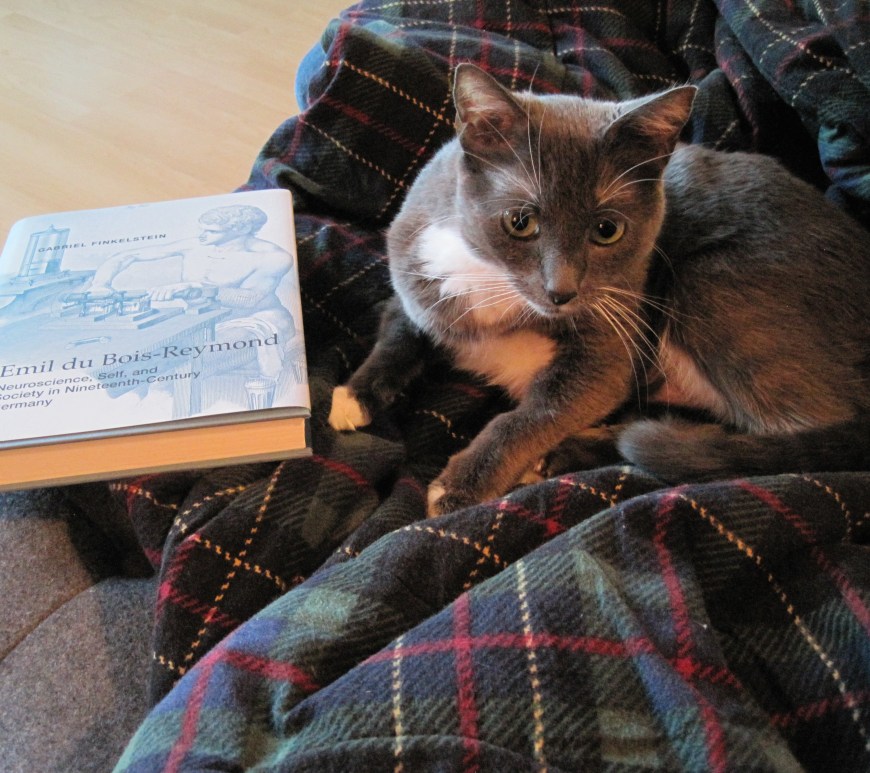
Gabriel Finkelstein’s new book explores the life and work of Emil du Bois-Reymond, “the most important forgotten intellectual of the nineteenth century.” The beautifully written book introduces readers to diary pages and love letters, laboratory equipment and frog pistols. Whether he’s busy conducting electrical experiments or avoiding his underwear-proffering mother-in-law, du Bois-Reymond is a pleasure to read about. You can find our conversation about Finkelstein’s book here. Continue reading Emil du Bois-Reymond: An Interview