Spark from the Deep: An Interview

“In a sense, all life consists of the colonization of an electric world. But to see that, we have to go back to the very beginning.” William J. Turkel’s new book traces the emergence and inhabiting of an electric world through the span of human history and beyond. Embracing a “big history” approach to the archive, Spark from the Deep: How Shocking Experiments with Strongly Electric Fish … Continue reading Spark from the Deep: An Interview

Beautiful Data: An Interview

The second half of the twentieth century saw a radical transformation in approaches to recording and displaying information. Orit Halpern’s new book traces the emergence of the “communicative objectivity” that resulted from this shift and produced new forms of observation, rationality, and economy. Beautiful Data: A History of Vision and Reason since 1945 (Duke University Press, 2014) beautifully accomplishes this by creating a dialogue between fields that don’t … Continue reading Beautiful Data: An Interview

From Sight to Light: An Interview

A. Mark Smith’s new book is a magisterial history of optics over the course of two millennia. From Sight to Light: The Passage from Ancient to Modern Optics (University of Chicago Press, 2015) suggests that the transition from ancient toward modern optics was accompanied by a turn in optical studies from a concern with explaining sight to a focus on light by optical scholars. In the course … Continue reading From Sight to Light: An Interview

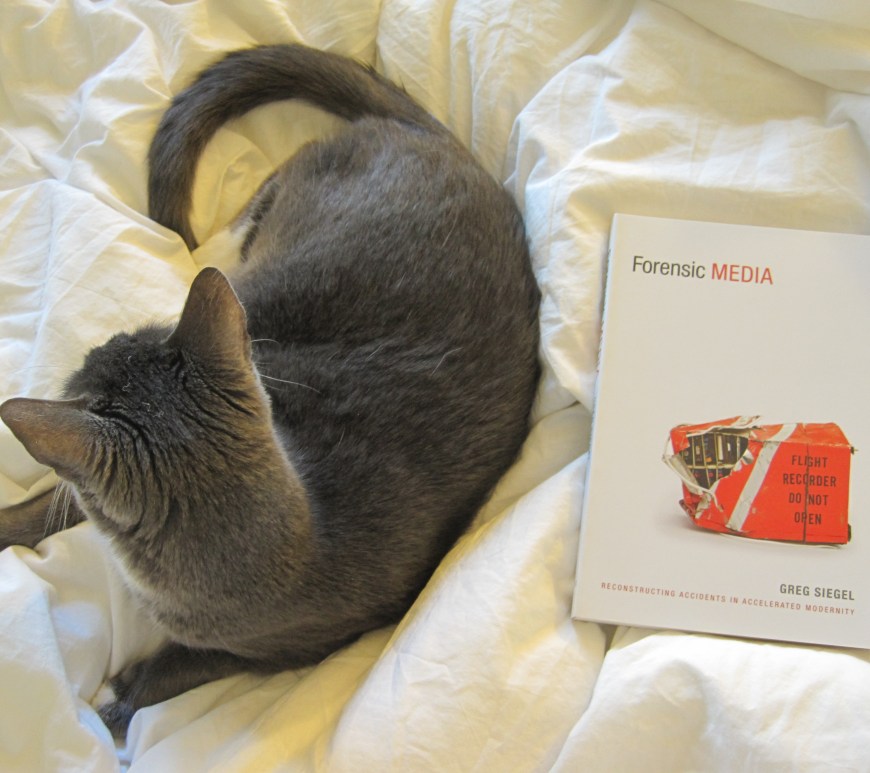
Forensic Media: An Interview

Greg Siegel’s new book is a wonderfully engaging and meticulously researched account of a dual tendency in modern technological life: treating forensic knowledge of accident causation as a key to solving the accident, and treating this knowledge as the source for the future improvement of both technology and civilization. Forensic Media: Reconstructing Accidents in Accelerated Modernity (Duke University Press, 2014) argues that accidents, forensics, and media have been … Continue reading Forensic Media: An Interview

Faxed: An Interview

Jonathan Coopersmith’s new book takes readers through the century-and-a-half-long history of the fax machine and the technologies that shaped and were shaped by it, from Alexander Bain’s 1843 patent to the computer-based faxing of the end of the 20th century. Faxed: The Rise and Fall of the Fax Machine (Johns Hopkins University Press, 2015) chronicles the transformations of fax wrought by a range of industries and technologies in … Continue reading Faxed: An Interview

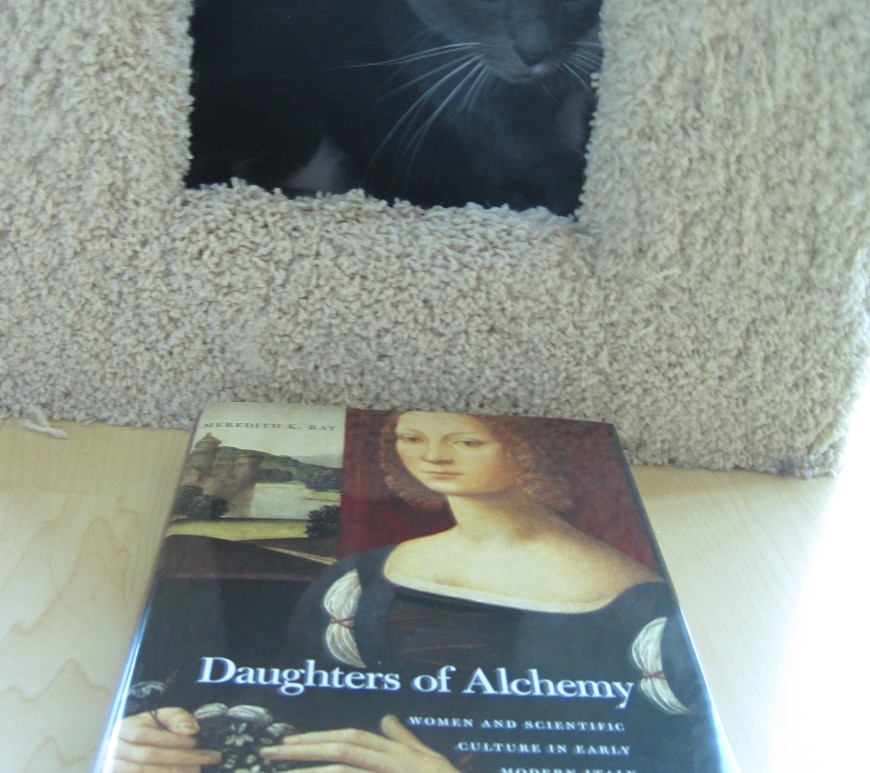
Daughters of Alchemy: An Interview

Meredith K. Ray’s new book explores women’s contributions to the landscape of scientific culture in early modern Italy from about 1500 to 1623. Women in this period were engaging with science in the home, at court, in vernacular literature, in academies, in salons, and in letters, and Daughters of Alchemy: Women and Scientific Culture in Early Modern Italy (Harvard University Press, 2015) looks both at women’s practical … Continue reading Daughters of Alchemy: An Interview

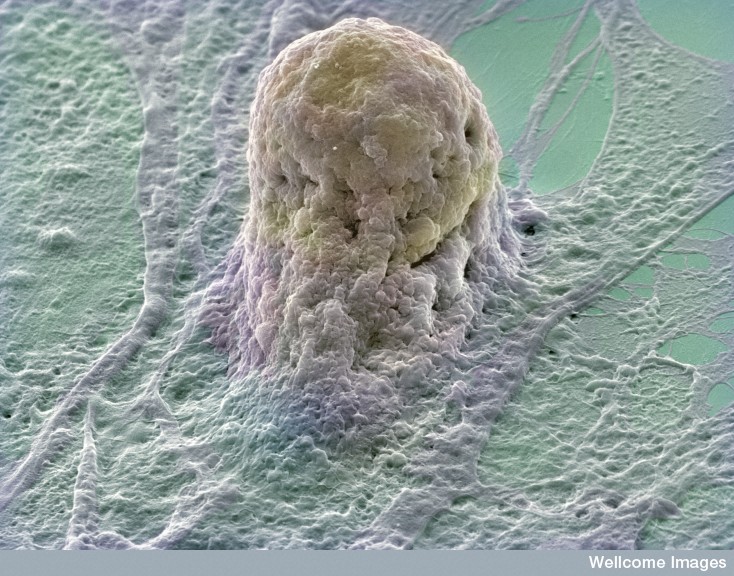
Good Science: An Interview

Charis Thompson’s Good Science: The Ethical Choreography of Stem Cell Research (MIT Press, 2013) is an important book that explores the “ethical choreography” of the consolidation of human embryonic stem cell research in the first decade of the twenty-first century, drawing important implications for the possible futures of stem cell research by looking carefully at its past and developing an approach to what Thompson calls “good science.” You … Continue reading Good Science: An Interview

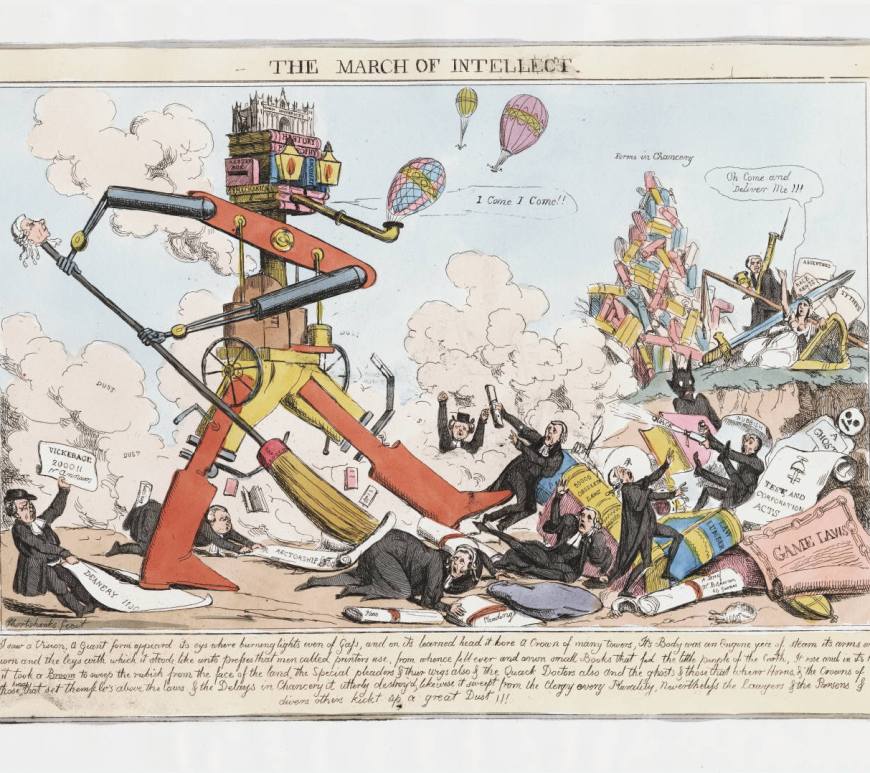
Visions of Science: An Interview

Jim Secord’s new book is both deeply enlightening and a pleasure to read. Visions of Science: Books and Readers at the Dawn of the Victorian Age (University of Chicago Press, 2014) is a fascinating exploration of books and their readers during a moment of intense transformation in British society. Secord brings us into a period of the nineteenth century when transformations in publishing and an expanded reading … Continue reading Visions of Science: An Interview

Chromatic Algorithms: An Interview

Carolyn L. Kane’s new book traces the modern history of digital color, focusing on the role of electronic color in computer art and media aesthetics since 1960. Chromatic Algorithms: Synthetic Color, Computer Art, and Aesthetics after Code places color at the center of media studies, exploring some amazing works of art and technology to understand the changing history of the relationship between color as embodied in machine … Continue reading Chromatic Algorithms: An Interview

Tweeting Da Vinci: An Interview

Ann C. Pizzorusso’s new book is a creative and gorgeously illustrated meeting of geology, art history, and Renaissance studies. Arguing that understanding Italy’s geological history can significantly inform how we see its art, literature, medicine, architecture, and more, Tweeting Da Vinci takes a deeply interdisciplinary approach to engaging the cultural history of Italy from the Etruscans to Da Vinci and beyond. You can listen to us talking about … Continue reading Tweeting Da Vinci: An Interview