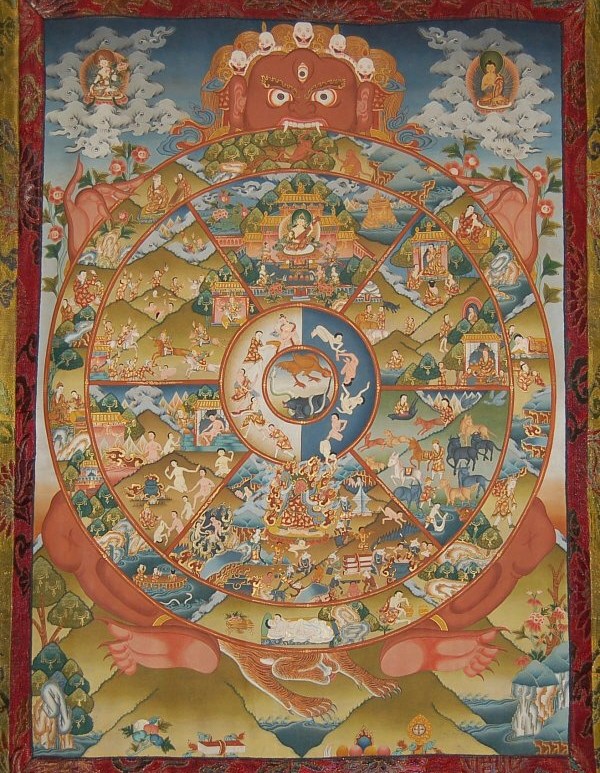
Being Human in a Buddhist World: An Interview

Janet Gyatso’s new book is a masterfully researched, compellingly written, and gorgeously illustrated history of medicine in early modern Tibet that looks carefully at the relationships between medicine and religion in this context. Being Human in a Buddhist World: An Intellectual History of Medicine in Early Modern Tibet (Columbia University Press, 2015) looks carefully at the “double movements” of medicine and religion from the twelfth through seventeenth centuries: … Continue reading Being Human in a Buddhist World: An Interview

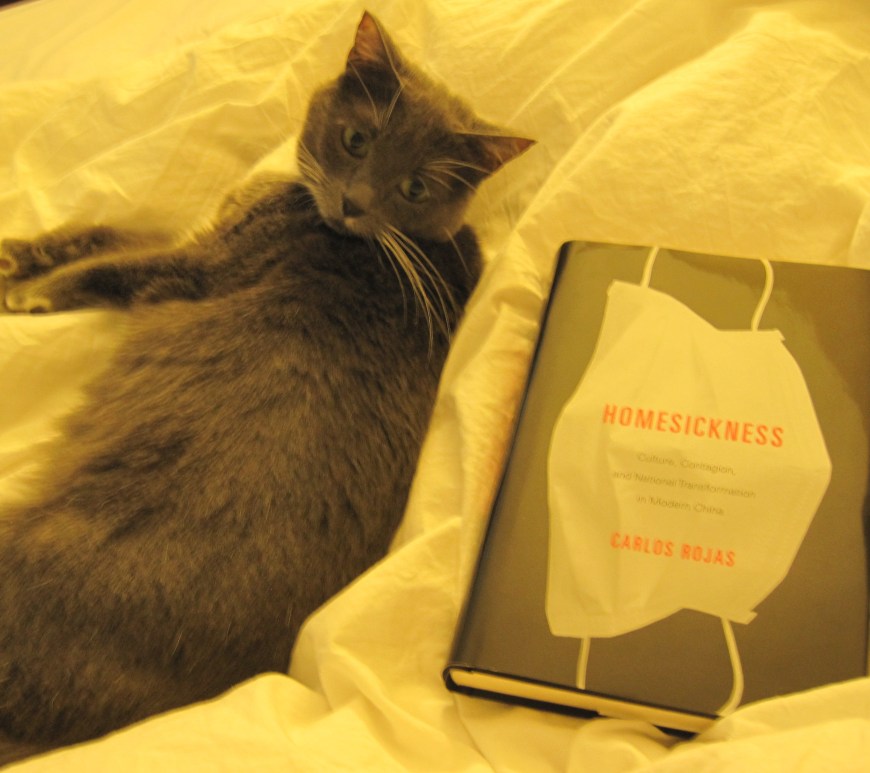
Homesickness: An Interview

Carlos Rojas’s new book is a wonderfully transdisciplinary exploration of discourses of sickness and disease in Chinese literature and cinema in the long twentieth century. As its title indicates, Homesickness: Culture, Contagion, and National Transformation in Modern China (Harvard University Press, 2015) focuses particularly on what Rojas calls “homesickness,” a condition wherein “a node of alterity is structurally expelled from an individual or collective body in order … Continue reading Homesickness: An Interview

Stations in the Field: An Interview

While museums, labs, and botanical gardens have been widely studied by historians of science, field stations have received comparatively little attention. Raf De Bont’s new book rectifies this oversight, turning our attention to the importance of biological field stations in the late nineteenth and early twentieth centuries in generating new scientific practices, theories, and networks. Stations in the Field: A History of Place-Based Animal Research, … Continue reading Stations in the Field: An Interview

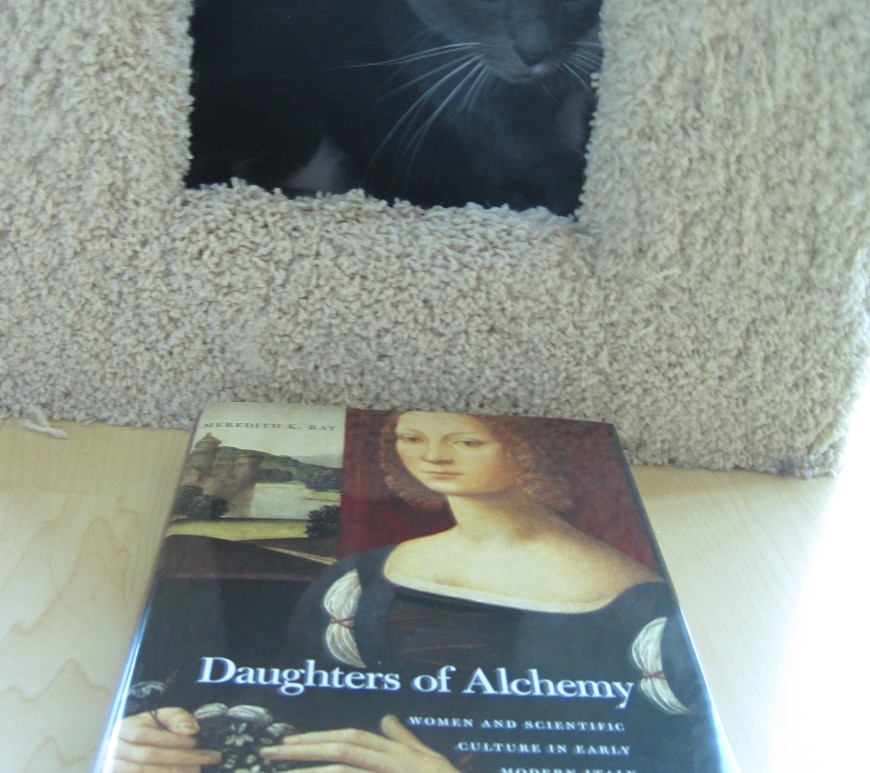
Daughters of Alchemy: An Interview

Meredith K. Ray’s new book explores women’s contributions to the landscape of scientific culture in early modern Italy from about 1500 to 1623. Women in this period were engaging with science in the home, at court, in vernacular literature, in academies, in salons, and in letters, and Daughters of Alchemy: Women and Scientific Culture in Early Modern Italy (Harvard University Press, 2015) looks both at women’s practical … Continue reading Daughters of Alchemy: An Interview

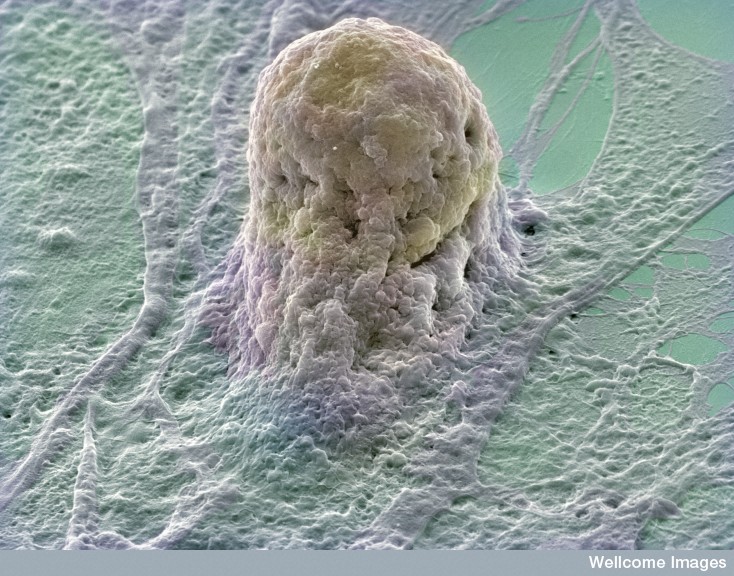
Good Science: An Interview

Charis Thompson’s Good Science: The Ethical Choreography of Stem Cell Research (MIT Press, 2013) is an important book that explores the “ethical choreography” of the consolidation of human embryonic stem cell research in the first decade of the twenty-first century, drawing important implications for the possible futures of stem cell research by looking carefully at its past and developing an approach to what Thompson calls “good science.” You … Continue reading Good Science: An Interview

Banking on the Body: An Interview

How did we come to think of spaces for the storage and circulation of body parts as “banks,” and what are the consequences of that history for the way we think about human bodies as property today? Kara W. Swanson’s wonderful new book traces the history of body banks in America from the nineteenth century to today, focusing especially on milk, blood, and sperm. We had … Continue reading Banking on the Body: An Interview

Life on Display: An Interview

In lucid prose that’s a real pleasure to read, Karen Rader and Victoria Cain’s new book chronicles a revolution in modern American science education and culture. Life on Display: Revolutionizing U. S. Museums of Science & Natural History in the Twentieth Century guides readers through a transformation in American science and nature museums as museums moved from a nineteenth-century focus on research and specimen collections to a twentieth-century emphasis on … Continue reading Life on Display: An Interview

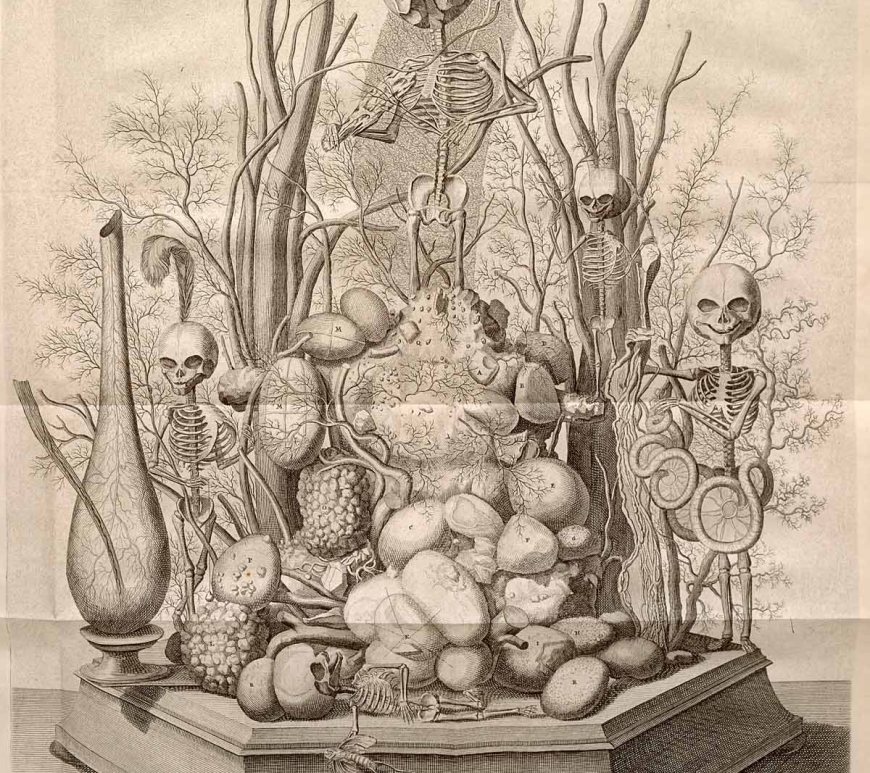
Commercial Visions: An Interview

Dániel Margócsy’s beautiful new book explores the changing world of entrepreneurial science in the early modern Netherlands. Commercial Visions considers scientific knowledge as a commodity, looking carefully at how the growth of global trade in the Dutch Golden Age shaped anatomy and natural history as commercial practices. We had a chance to talk about it recently for the New Books in STS podcast, and you can find our conversation … Continue reading Commercial Visions: An Interview

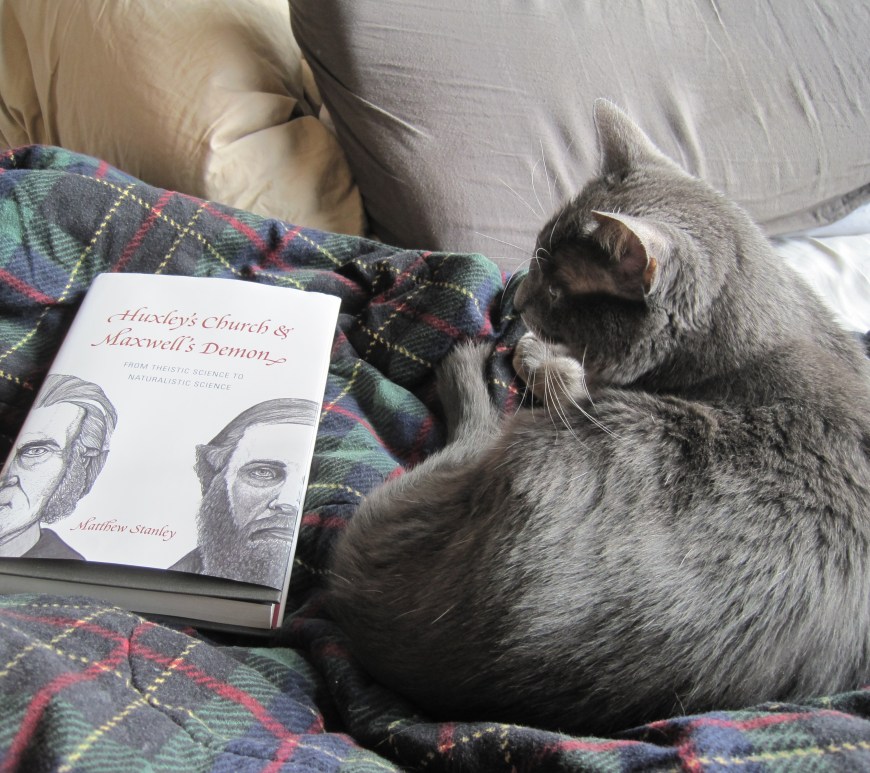
Huxley’s Church and Maxwell’s Demon: An Interview

Matthew Stanley’s wonderful new book introduces James Clerk Maxwell (1831-79) and T.H. Huxley (1825-95) as they embodied theistic and naturalistic science, respectively, in Victorian Britain. Moving well beyond the widespread assumption that modern science and religion are and always have been fundamentally antithetical to one another, Huxley’s Church and Maxwell’s Demon offers a history of scientific naturalism that illustrates the deep and fundamental commonalities between positions on the proper practice … Continue reading Huxley’s Church and Maxwell’s Demon: An Interview

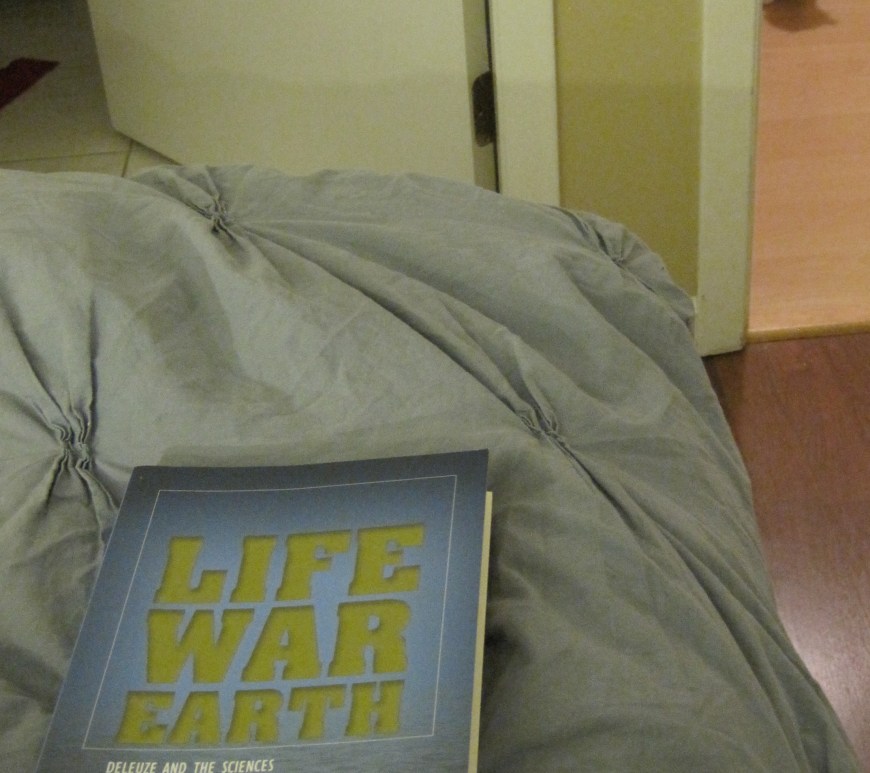
Life, War, Earth: An Interview

John Protevi’s new book creates a wonderfully stimulating dialogue between the work of Gilles Deleuze and some key works and concepts animating contemporary geophilosophy, cognitive science, and biology. In doing so, Protevi’s work also has the potential to inform work in STS by turning our attention to new possibilities of thinking with scale, and with a process-oriented philosophy (among many other things). You can listen to … Continue reading Life, War, Earth: An Interview