The Life of the Buddha: An Interview

Kurtis R. Schaeffer’s new translation of Tenzin Chögyel’s The Life of the Buddha (Penguin Books, 2015) is a boon for teachers, researchers, and eager readers alike. Composed in the middle of the eighteenth century, The Life of the Buddha takes the form of twelve major life episodes that collectively provide a “blueprint for an ideal Buddhist life,” as readers follow the Bodhisattva from early pages teaching the gods in … Continue reading The Life of the Buddha: An Interview

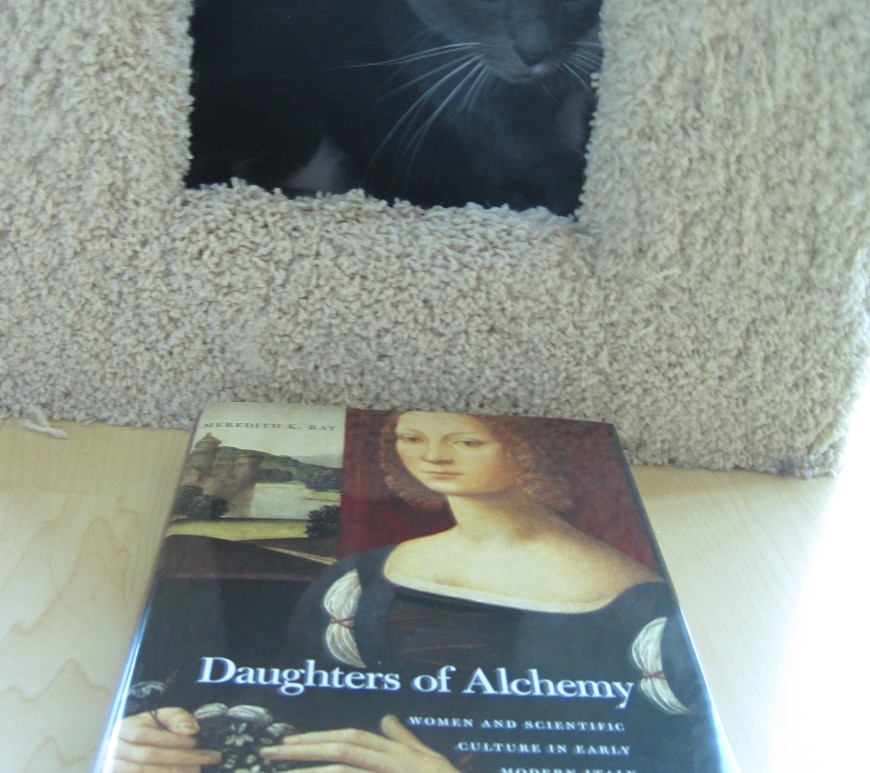
Daughters of Alchemy: An Interview

Meredith K. Ray’s new book explores women’s contributions to the landscape of scientific culture in early modern Italy from about 1500 to 1623. Women in this period were engaging with science in the home, at court, in vernacular literature, in academies, in salons, and in letters, and Daughters of Alchemy: Women and Scientific Culture in Early Modern Italy (Harvard University Press, 2015) looks both at women’s practical … Continue reading Daughters of Alchemy: An Interview

Allegories of Time and Space: An Interview

Jonathan M. Reynolds’s new book looks carefully at how photographers, architects, and others wrestled with a postwar identity crisis as they explored and struggled with new meanings of tradition, home, and culture in modern Japan. Building on the work of Walter Benjamin, Allegories of Time and Space: Japanese Identity in Photography and Architecture (University of Hawaii Press, 2015) takes readers into a range of media in which … Continue reading Allegories of Time and Space: An Interview

Good Science: An Interview

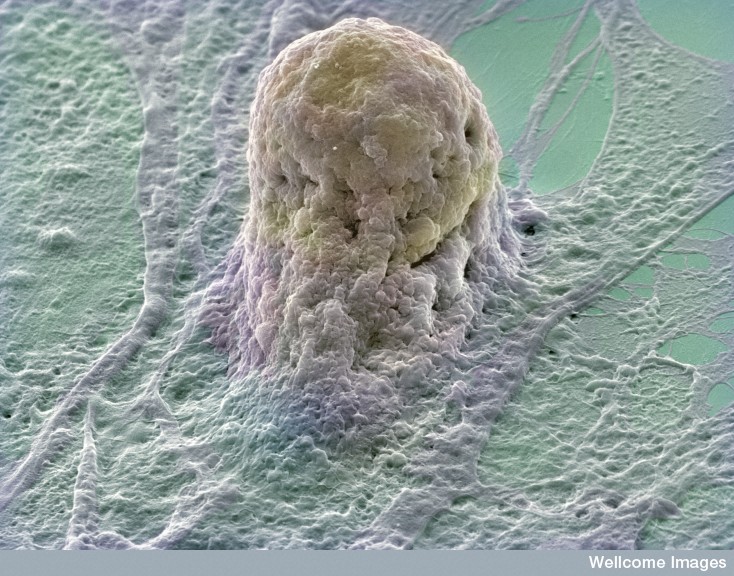
Charis Thompson’s Good Science: The Ethical Choreography of Stem Cell Research (MIT Press, 2013) is an important book that explores the “ethical choreography” of the consolidation of human embryonic stem cell research in the first decade of the twenty-first century, drawing important implications for the possible futures of stem cell research by looking carefully at its past and developing an approach to what Thompson calls “good science.” You … Continue reading Good Science: An Interview

Taming Tibet: An Interview

Emily T. Yeh’s Taming Tibet: Landscape Transformation and the Gift of Chinese Development (Cornell University Press, 2013) is an award-winning critical analysis of the production and transformation of the Tibetan landscape since 1950, construing development as a “state project that is presented as a gift to the Tibetan people” especially as it works to territorialize Tibet. Focusing on Lhasa and its environs, Yeh takes readers through key … Continue reading Taming Tibet: An Interview

Learned Patriots: An Interview

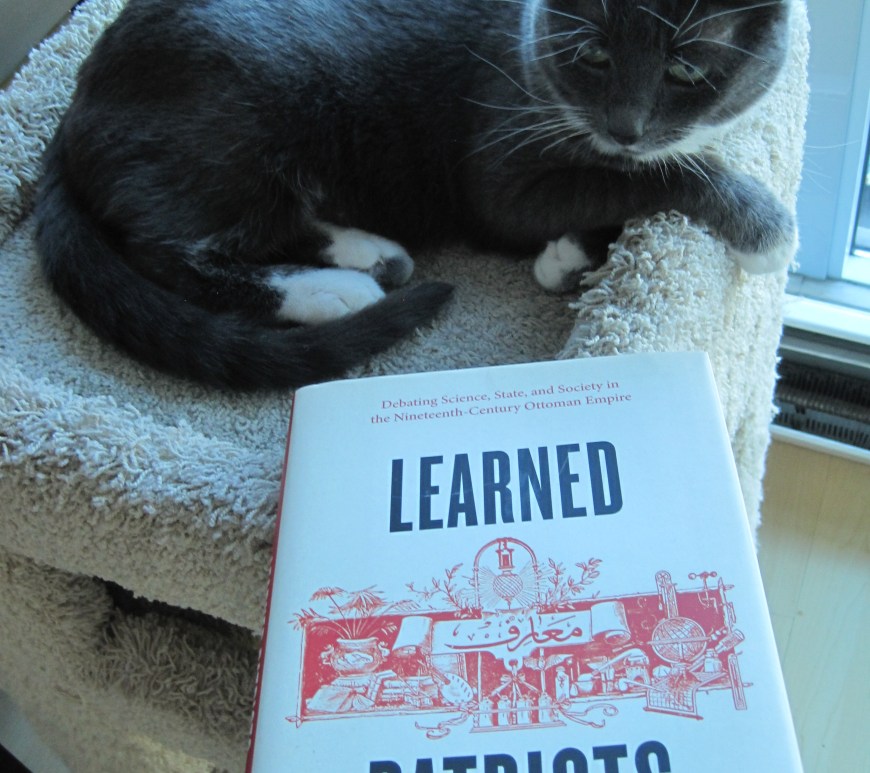
What were Ottomans talking about when they talked about science? In posing and answering that question (spoiler: they were talking about people), M. Alper Yalcinkaya’s new book Learned Patriots: Debating Science, State, and Society in the 19th-Century Ottoman Empire (University of Chicago Press, 2015) introduces the history of science as discussed and debated by nineteenth-century Turkish-speaking Muslim Ottomans in Istanbul. The book compellingly argues that these discussions and debates were … Continue reading Learned Patriots: An Interview

Visions of Science: An Interview

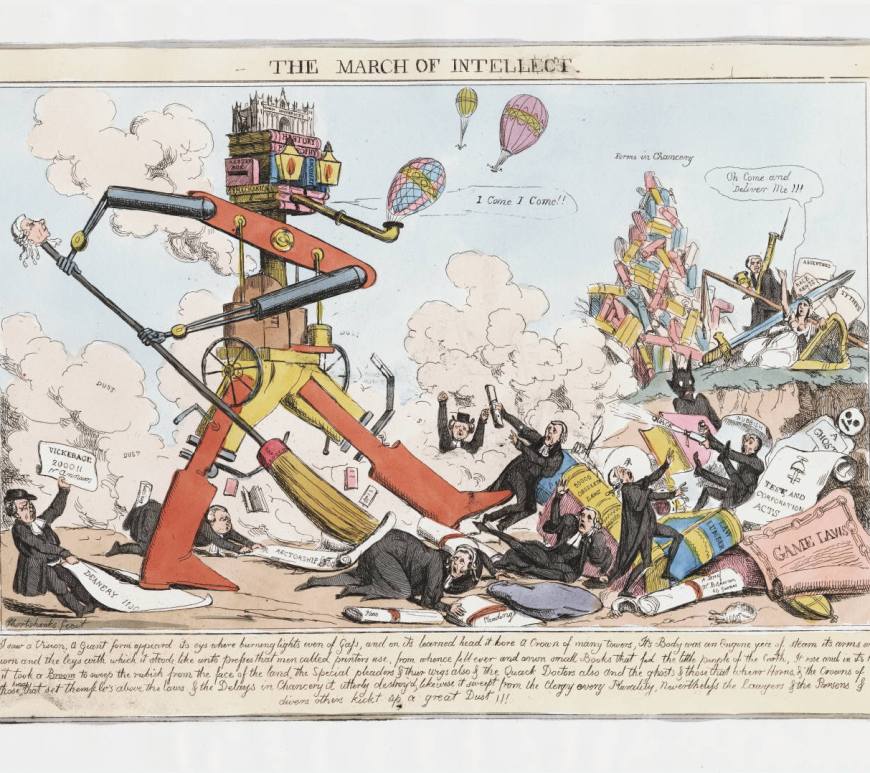
Jim Secord’s new book is both deeply enlightening and a pleasure to read. Visions of Science: Books and Readers at the Dawn of the Victorian Age (University of Chicago Press, 2014) is a fascinating exploration of books and their readers during a moment of intense transformation in British society. Secord brings us into a period of the nineteenth century when transformations in publishing and an expanded reading … Continue reading Visions of Science: An Interview

Intellectual Work and the Spirit of Capitalism: An Interview

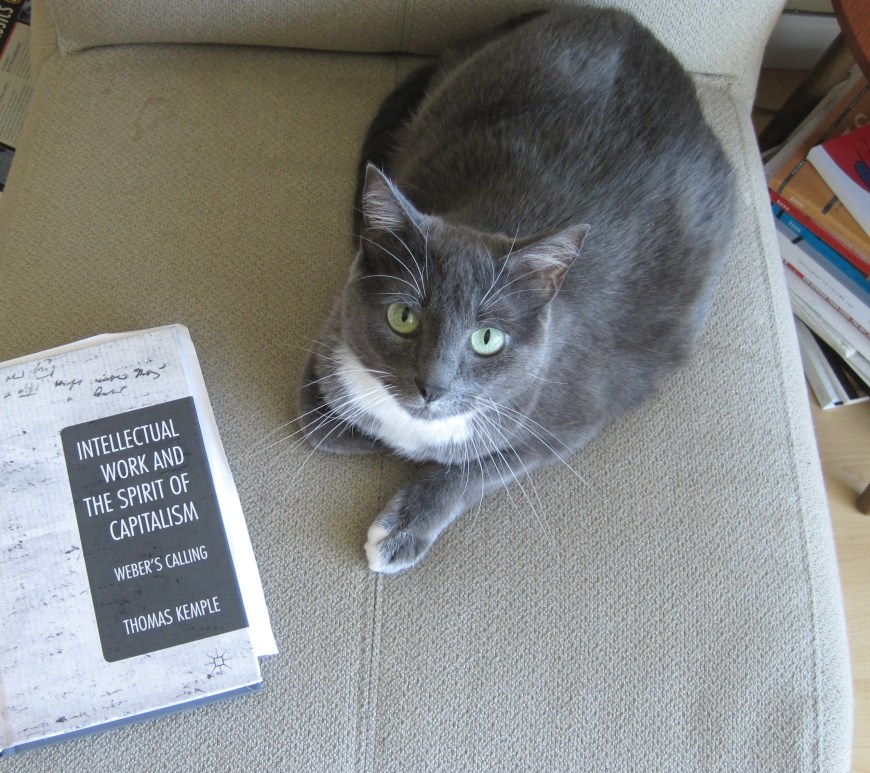
Thomas Kemple is not only a dear colleague with whom I teach in the Arts One Program at UBC, but is also a brilliant scholar and writer. His new book is an extraordinarily thoughtful invitation to approach Max Weber (1864-1920) as a performer, and to experience Weber’s work by attending to his spoken and written voice. Intellectual Work and the Spirit of Capitalism: Weber’s Calling (Palgrave Macmillan, … Continue reading Intellectual Work and the Spirit of Capitalism: An Interview

The Elizabeths (A Working Paper)

On May 21 2015, I participated in a gathering at Princeton devoted to an experiment in “conjectural historiography”: imagining and memorializing historians who never existed, but should have. My contribution to this collective performance took the form of a memorial to four women, all named Elizabeth, all inspired by medical cases from The Casebooks Project, and all devoted to histories of and with basic material stuff. Here’s the text of … Continue reading The Elizabeths (A Working Paper)

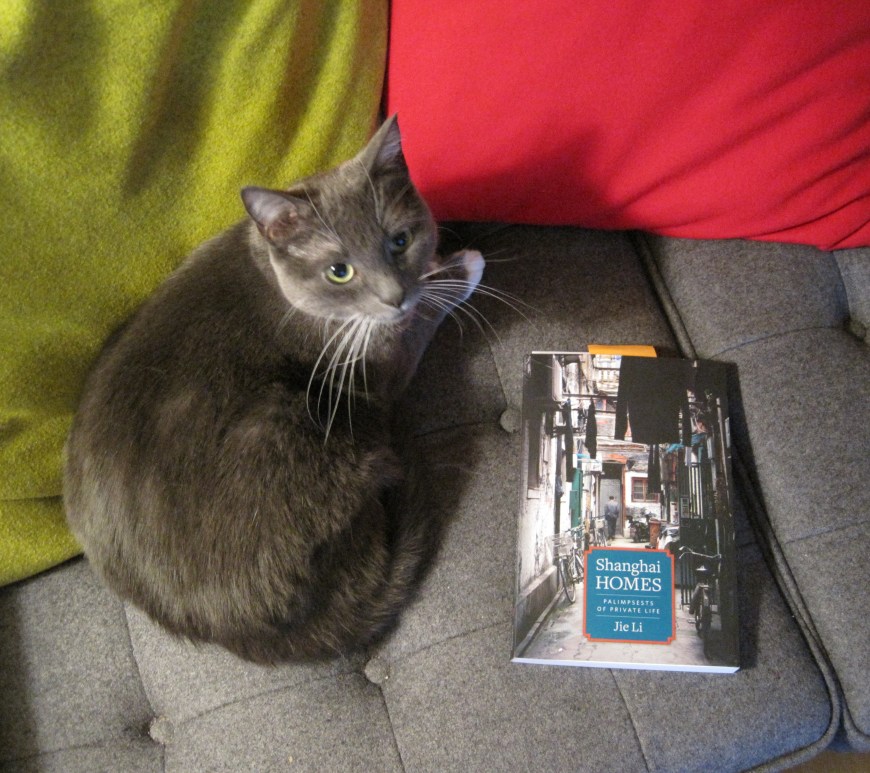
Shanghai Homes: An Interview

Jie Li’s new book Shanghai Homes: Palimpsests of Private Life (Columbia University Press, 2015) explores the history and culture of Shanghai alleyway homes by focusing on two physical spaces, both built in the early twentieth century by Japanese and British companies, and both located in the industrial Yangshupu district in the eastern part of what was the International Settlement in Shanghai. An old house, here, is a … Continue reading Shanghai Homes: An Interview