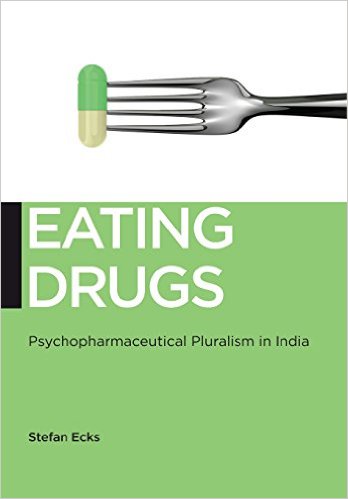
Eating Drugs: An Interview

Drugs exist that are meant to help people feel better. The doctors who prescribe them might believe that they work, while their patients do not. In explaining the drugs to their patients, should those doctors use the medical terminology they themselves use – which might not be immediately understandable to their patients – or should they translate the description into terms more comfortable and familiar … Continue reading Eating Drugs: An Interview

Biological Relatives: An Interview

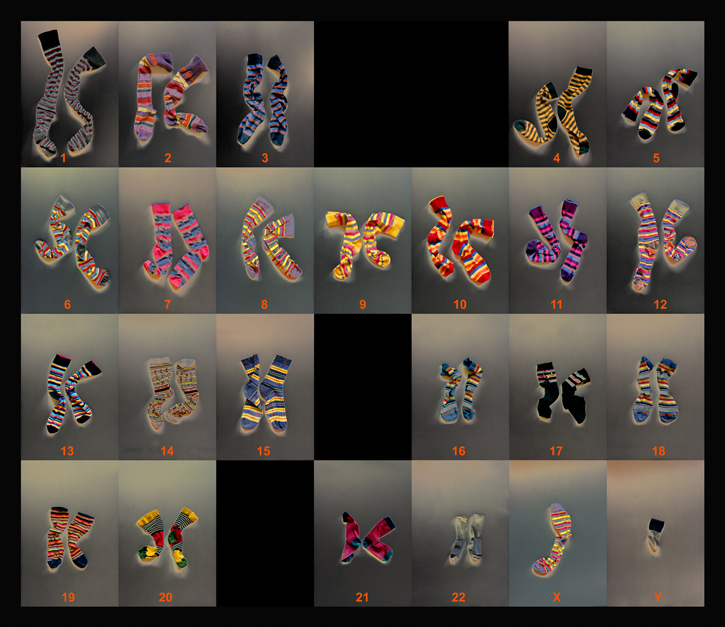
Sarah Franklin’s new book is an exceptionally rich, focused yet wide-ranging, insightful account of in vitro fertilization (IVF) and the worlds that it creates and inhabits. Biological Relatives: IVF, Stem Cells, and the Future of Kinship (Duke University Press, 2013) treats IVF as a looking-glass in which can see not only ourselves, but also transformations in modern notions of biology, technology, and kinship. In addition to a … Continue reading Biological Relatives: An Interview

Current Flow: An Interview

Ronen Shamir’s new book is a timely and thoughtful study of the electrification of Palestine in the early twentieth century. Current Flow: The Electrification of Palestine (Stanford University Press, 2013) makes use of Actor-Network Theory as a methodology to trace the processes involved in constructing a powerhouse and assembling an electric grid in 1920s Palestine. The book brilliantly shows how electrification “makes politics” rather than just transmitting … Continue reading Current Flow: An Interview

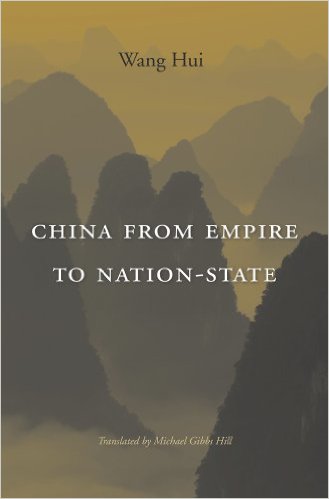
China from Empire to Nation-State: An Interview

Michael Gibbs Hill’s new translation renders into English, for the first time, the introduction and overview to Wang Hui’s 4-volume Rise of Modern Chinese Thought (Xiandai Zhongguo sixiangde xingqi, 2004). China from Empire to Nation-State (Harvard University Press, 2014) thus makes available to an English-reading audience a fascinating perspective on the history and historiography of modern China in the context of a larger global frame. Hill’s translation offers a view … Continue reading China from Empire to Nation-State: An Interview

The Emergence of Tropical Medicine in France: An Interview

In The Emergence of Tropical Medicine in France (University of Chicago Press, 2014), Michael Osborne offers a new way to think about and practice the history of colonial medicine. Eschewing pan-European or Anglo-centric models of the history of colonial medicine, Osborne’s book focuses on the centrality, transformations, and ultimate demise of naval medicine in France in the nineteenth and early twentieth centuries. Motivating the central arguments and narrative of … Continue reading The Emergence of Tropical Medicine in France: An Interview

The Undiscovered Country: An Interview

Melek Ortabasi’s new book explores the work of Yanagita Kunio (1875-1962), a writer, folk scholar, “eccentric, dominating crackpot,” “brilliant, versatile iconoclast” and much more. The Undiscovered Country: Text, Translation, and Modernity in the Work of Yanagita Kunio (Harvard University Asia Center, 2014) expands how we understand and evaluate his work by contextualizing it in terms of translation studies, simultaneously informing how we think about (and with) translation. … Continue reading The Undiscovered Country: An Interview

Heart-Sick: An Interview

Janet K. Shim’s new book juxtaposes the accounts of epidemiologists and lay people to consider the roles of race, class, and gender (among other things) in health and illness. Heart-Sick: The Politics of Risk, Inequality, and Heart Disease (New York University Press, 2014) integrates several kinds of sources into a theoretically-informed sociological investigation of inequality and cardiovascular disease, including interviews with epidemiologists and people of color who … Continue reading Heart-Sick: An Interview

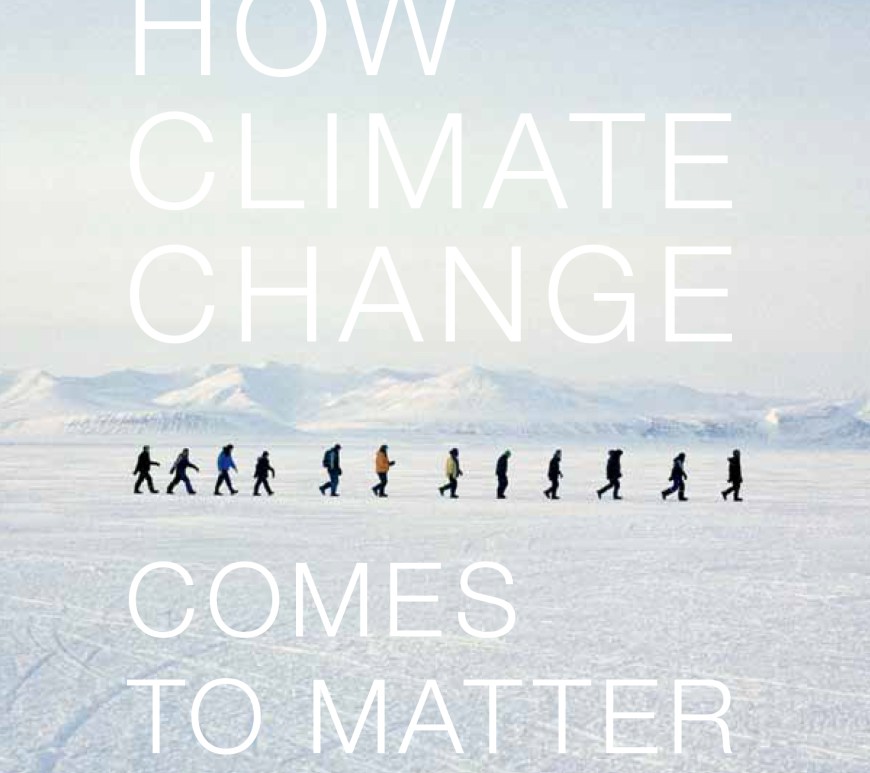
How Climate Change Comes to Matter: An Interview

Candis Callison’s timely and fascinating new book considers climate change as a form of life and articulates how journalists, scientists, religious groups, economic collectives, and others shape and influence public engagement around the issue. How Climate Change Comes to Matter: The Communal Life of Facts (Duke University Press, 2014) looks carefully at the discourses and practices of five collectives within and through which climate change becomes meaningful: … Continue reading How Climate Change Comes to Matter: An Interview

China Under Mao: An Interview

With the benefit of hindsight, it is clear that 1949 was actually the beginning, not the end, of the Chinese revolution.” Building from this premise, Andrew G. Walder’s new book looks at the ways that China was transformed in the 1950s in order to understand why and how Mao’s decisions and initiatives – among those of other leaders – had the effects that they did. Written … Continue reading China Under Mao: An Interview

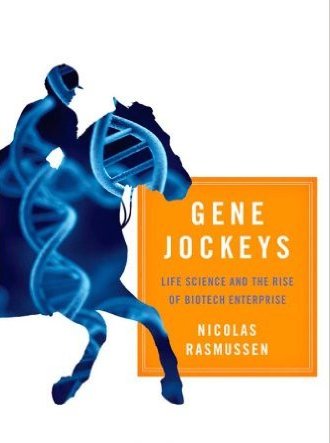
Gene Jockeys: An Interview

Nicolas Rasmussen’s new book maps the intersection of biotechnology and the business world in the last decades of the twentieth century. Gene Jockeys: Life Science and the Rise of Biotech Enterprise (Johns Hopkins University Press, 2014) takes readers into the fascinating world of entrepreneur-biologists as they developed five of the first products of genetic engineering. Based on a documentary archive that includes oral history interviews and corporate … Continue reading Gene Jockeys: An Interview