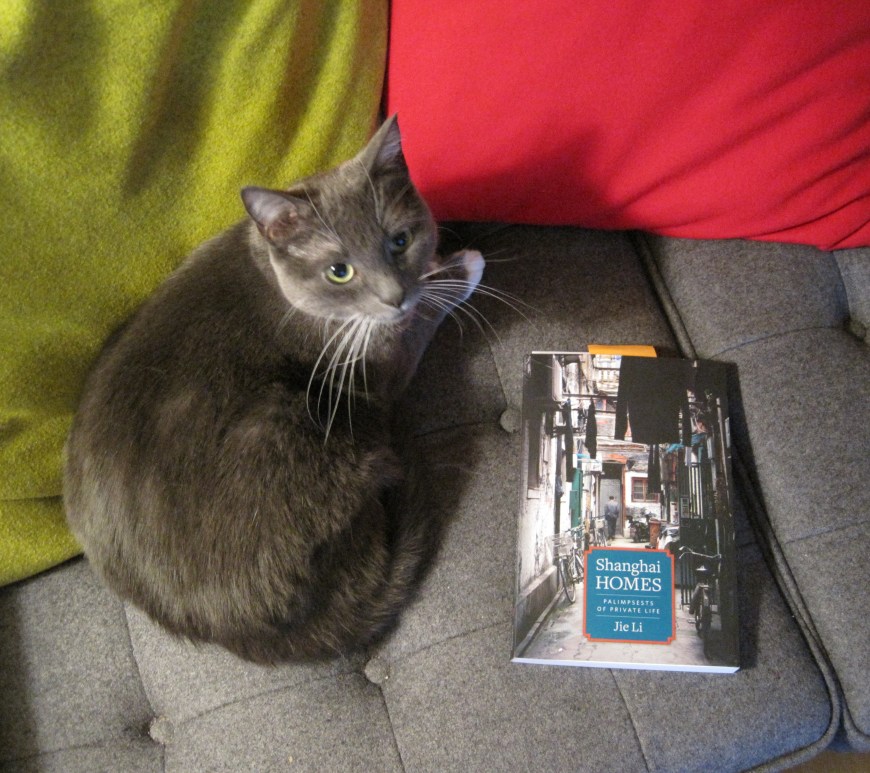
Shanghai Homes: An Interview

Jie Li’s new book Shanghai Homes: Palimpsests of Private Life (Columbia University Press, 2015) explores the history and culture of Shanghai alleyway homes by focusing on two physical spaces, both built in the early twentieth century by Japanese and British companies, and both located in the industrial Yangshupu district in the eastern part of what was the International Settlement in Shanghai. An old house, here, is a … Continue reading Shanghai Homes: An Interview

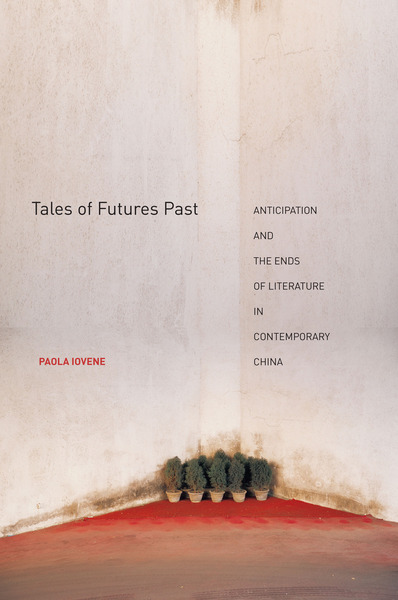
Tales of Futures Past: An Interview

Paola Iovene’s new book is a beautiful exploration of visions of the future as they have shaped a range of texts, genres, and editorial practices in Chinese literature from the middle of the twentieth century through the beginning of the twenty-first century. Tales of Futures Past traces ideas of the future through children’s books, popular science, science fiction, poetry, fiction, and other kinds of text and practice. … Continue reading Tales of Futures Past: An Interview

Banking on the Body: An Interview

How did we come to think of spaces for the storage and circulation of body parts as “banks,” and what are the consequences of that history for the way we think about human bodies as property today? Kara W. Swanson’s wonderful new book traces the history of body banks in America from the nineteenth century to today, focusing especially on milk, blood, and sperm. We had … Continue reading Banking on the Body: An Interview

Life on Display: An Interview

In lucid prose that’s a real pleasure to read, Karen Rader and Victoria Cain’s new book chronicles a revolution in modern American science education and culture. Life on Display: Revolutionizing U. S. Museums of Science & Natural History in the Twentieth Century guides readers through a transformation in American science and nature museums as museums moved from a nineteenth-century focus on research and specimen collections to a twentieth-century emphasis on … Continue reading Life on Display: An Interview

Chromatic Algorithms: An Interview

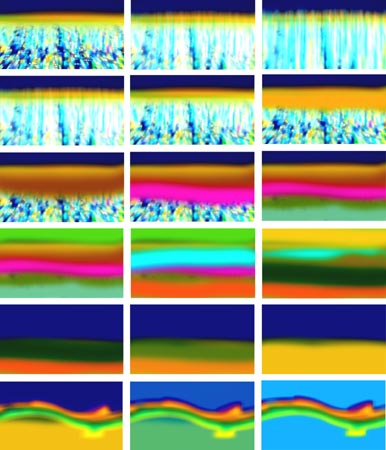
Carolyn L. Kane’s new book traces the modern history of digital color, focusing on the role of electronic color in computer art and media aesthetics since 1960. Chromatic Algorithms: Synthetic Color, Computer Art, and Aesthetics after Code places color at the center of media studies, exploring some amazing works of art and technology to understand the changing history of the relationship between color as embodied in machine … Continue reading Chromatic Algorithms: An Interview

The Universe of Things: An Interview

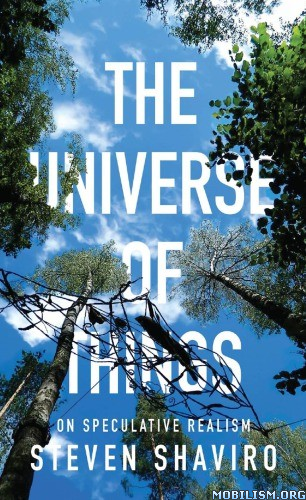
Steven Shaviro’s new book is a wonderfully engaging study of speculative realism, new materialism, and the ways in which those fields can speak to and be informed by the philosophy of Alfred North Whitehead. The Universe of Things emphasizes the importance of aesthetics and aesthetic theory to reading and engaging the work of Whitehead, Harman, Meillassoux, Kant, Levinas, Bryant, and others as an ongoing conversation about how … Continue reading The Universe of Things: An Interview

Contemporary Korean Art: An Interview

Joan Kee’s new book is a gorgeous and thoughtful introduction to the history of contemporary art in Korea that traces the creation, promotion, reception, and rhetoric of work produced by artists who made large, mostly abstract paintings in neutral colors from the mid-1960s to the mid-1970s. You can listen to us talking about it for the New Books in East Asian Studies podcast here. Continue reading Contemporary Korean Art: An Interview

Graphesis: An Interview

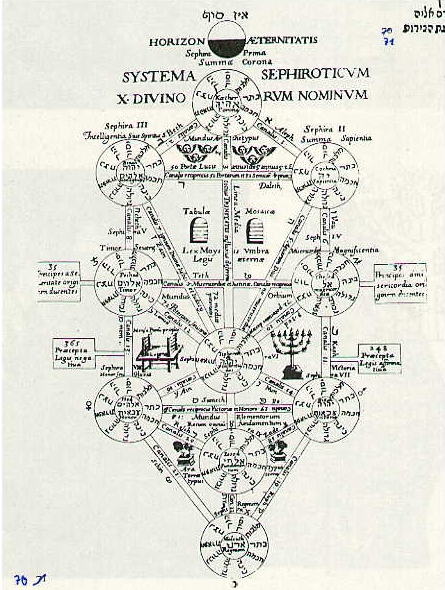
Johanna Drucker’s marvelous new book gives us a language with which to talk about visual epistemology. Graphesis introduces the nature and function of information graphics, awakens readers to the visual interfaces prevalent in our daily work, and considers how paying careful attention to visual interpretation can serve a broader humanistic agenda. We had a chance to talk about it for the New Books Network Seminar, and you … Continue reading Graphesis: An Interview

Bad Water: An Interview

Robert Stoltz’s fascinating book Bad Water explores the emergence of an environmental turn in modern Japan, guiding readers through the unfolding of successive eco-historical periods in Japan while charting the transformations of an “environmental unconscious” lying at the foundation of modern social and political thought. Robert and I had a chance to talk about it for the New Books in East Asian Studies podcast, and you can listen to our conversation here. Continue reading Bad Water: An Interview

Huxley’s Church and Maxwell’s Demon: An Interview

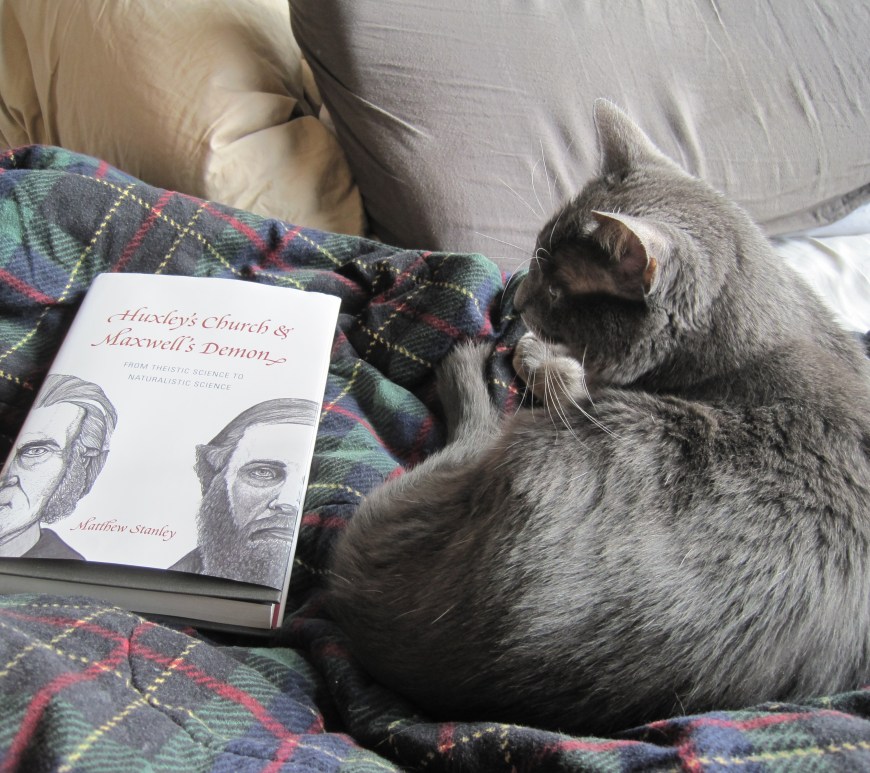
Matthew Stanley’s wonderful new book introduces James Clerk Maxwell (1831-79) and T.H. Huxley (1825-95) as they embodied theistic and naturalistic science, respectively, in Victorian Britain. Moving well beyond the widespread assumption that modern science and religion are and always have been fundamentally antithetical to one another, Huxley’s Church and Maxwell’s Demon offers a history of scientific naturalism that illustrates the deep and fundamental commonalities between positions on the proper practice … Continue reading Huxley’s Church and Maxwell’s Demon: An Interview