Being Human in a Buddhist World: An Interview

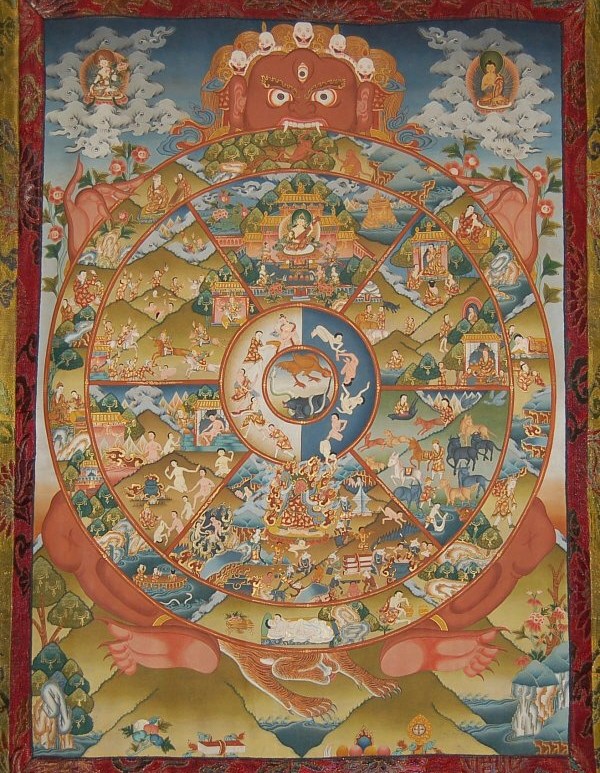
Janet Gyatso’s new book is a masterfully researched, compellingly written, and gorgeously illustrated history of medicine in early modern Tibet that looks carefully at the relationships between medicine and religion in this context. Being Human in a Buddhist World: An Intellectual History of Medicine in Early Modern Tibet (Columbia University Press, 2015) looks carefully at the “double movements” of medicine and religion from the twelfth through seventeenth centuries: … Continue reading Being Human in a Buddhist World: An Interview

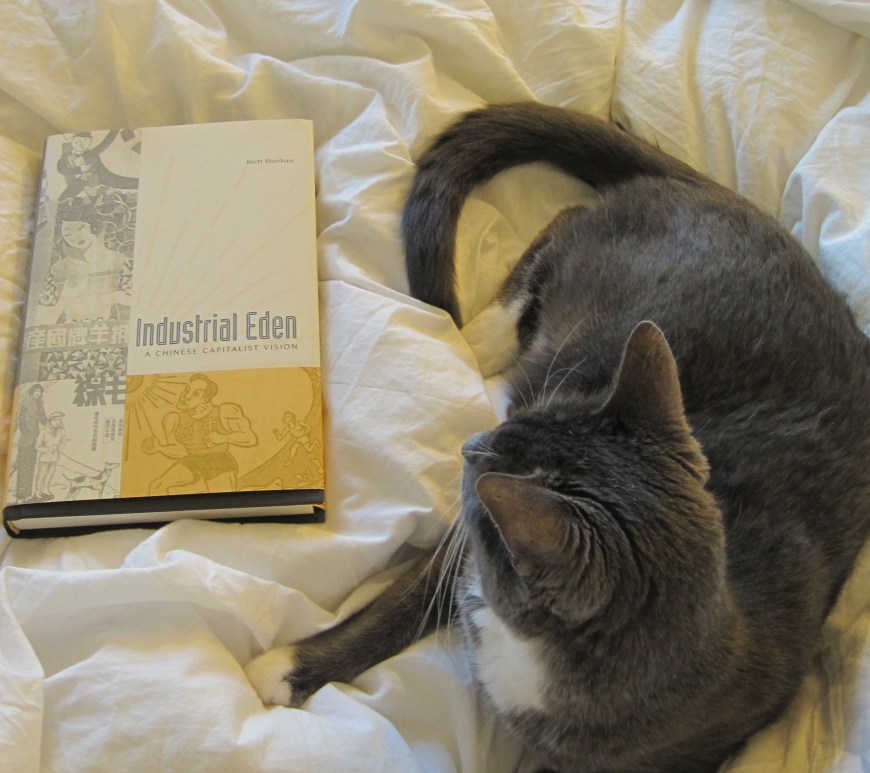
Industrial Eden: An Interview

Brett Sheehan’s new book traces the interwoven histories of capitalism and the Song family under a series of five authoritarian governments in North China. Based on a wide range of sources a range of sources including family papers, missionary archives, corporate records, government documents, newspapers, oral histories, novels, and interviews, Industrial Eden: A Chinese Capitalist Vision (Harvard UP, 2015) explores a family of “capitalists without capitalism.” The book … Continue reading Industrial Eden: An Interview

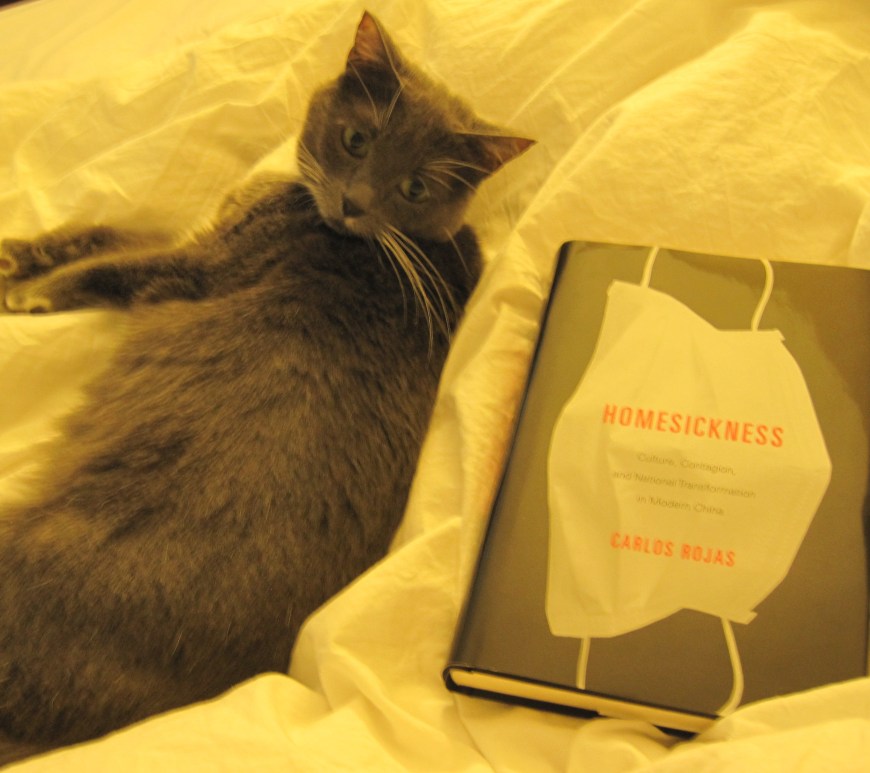
Homesickness: An Interview

Carlos Rojas’s new book is a wonderfully transdisciplinary exploration of discourses of sickness and disease in Chinese literature and cinema in the long twentieth century. As its title indicates, Homesickness: Culture, Contagion, and National Transformation in Modern China (Harvard University Press, 2015) focuses particularly on what Rojas calls “homesickness,” a condition wherein “a node of alterity is structurally expelled from an individual or collective body in order … Continue reading Homesickness: An Interview

The Life of the Buddha: An Interview

Kurtis R. Schaeffer’s new translation of Tenzin Chögyel’s The Life of the Buddha (Penguin Books, 2015) is a boon for teachers, researchers, and eager readers alike. Composed in the middle of the eighteenth century, The Life of the Buddha takes the form of twelve major life episodes that collectively provide a “blueprint for an ideal Buddhist life,” as readers follow the Bodhisattva from early pages teaching the gods in … Continue reading The Life of the Buddha: An Interview

Allegories of Time and Space: An Interview

Jonathan M. Reynolds’s new book looks carefully at how photographers, architects, and others wrestled with a postwar identity crisis as they explored and struggled with new meanings of tradition, home, and culture in modern Japan. Building on the work of Walter Benjamin, Allegories of Time and Space: Japanese Identity in Photography and Architecture (University of Hawaii Press, 2015) takes readers into a range of media in which … Continue reading Allegories of Time and Space: An Interview

Vanishing into Things: An Interview

What is knowledge, why is it valuable, and how might it be cultivated? Barry Allen’s new book carefully considers the problem of knowledge in a range of Chinese philosophical discourses. Taking on the work of Confucians, Daoists, military theorists, Chan Buddhists, Neo-Confucian philosophers, and others, Vanishing into Things: Knowledge in Chinese Tradition (Harvard University Press, 2015) looks at the common threads and important differences in the ways that … Continue reading Vanishing into Things: An Interview

Taming Tibet: An Interview

Emily T. Yeh’s Taming Tibet: Landscape Transformation and the Gift of Chinese Development (Cornell University Press, 2013) is an award-winning critical analysis of the production and transformation of the Tibetan landscape since 1950, construing development as a “state project that is presented as a gift to the Tibetan people” especially as it works to territorialize Tibet. Focusing on Lhasa and its environs, Yeh takes readers through key … Continue reading Taming Tibet: An Interview

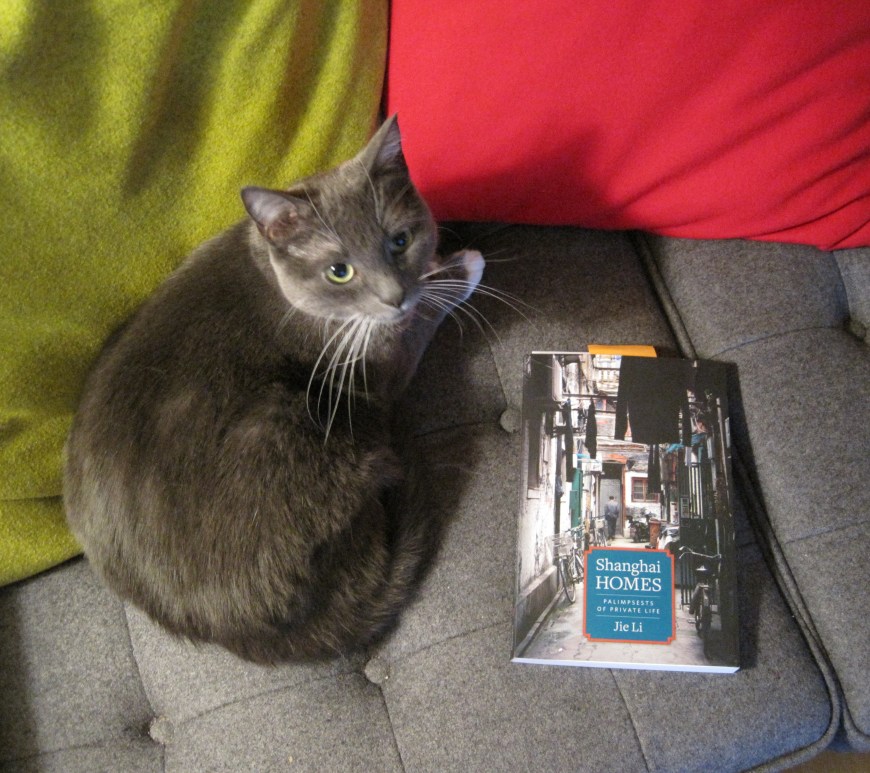
Shanghai Homes: An Interview

Jie Li’s new book Shanghai Homes: Palimpsests of Private Life (Columbia University Press, 2015) explores the history and culture of Shanghai alleyway homes by focusing on two physical spaces, both built in the early twentieth century by Japanese and British companies, and both located in the industrial Yangshupu district in the eastern part of what was the International Settlement in Shanghai. An old house, here, is a … Continue reading Shanghai Homes: An Interview

Shifting Stories: An Interview

Sarah M. Allen’s new book looks at the literature of tales in eighth- and ninth-century China. Shifting Stories: History, Gossip, and Lore in Narratives from Tang Dynasty China (Harvard University Asia Center, 2014) situates Tang tales in the context of social story exchange among elite men. Allen’s work not only contributes significantly to how we understand and frame concepts like fiction and fact, authorship, gossip, and collection, … Continue reading Shifting Stories: An Interview

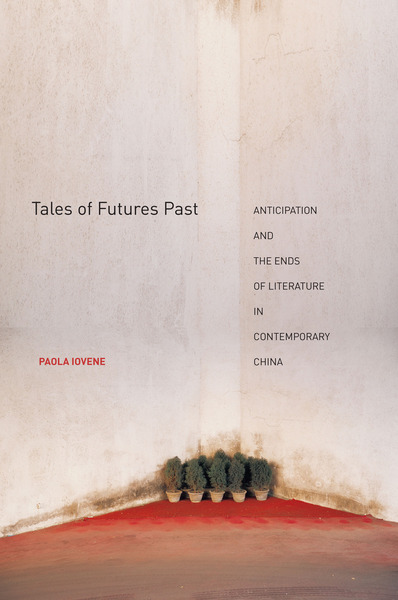
Tales of Futures Past: An Interview

Paola Iovene’s new book is a beautiful exploration of visions of the future as they have shaped a range of texts, genres, and editorial practices in Chinese literature from the middle of the twentieth century through the beginning of the twenty-first century. Tales of Futures Past traces ideas of the future through children’s books, popular science, science fiction, poetry, fiction, and other kinds of text and practice. … Continue reading Tales of Futures Past: An Interview