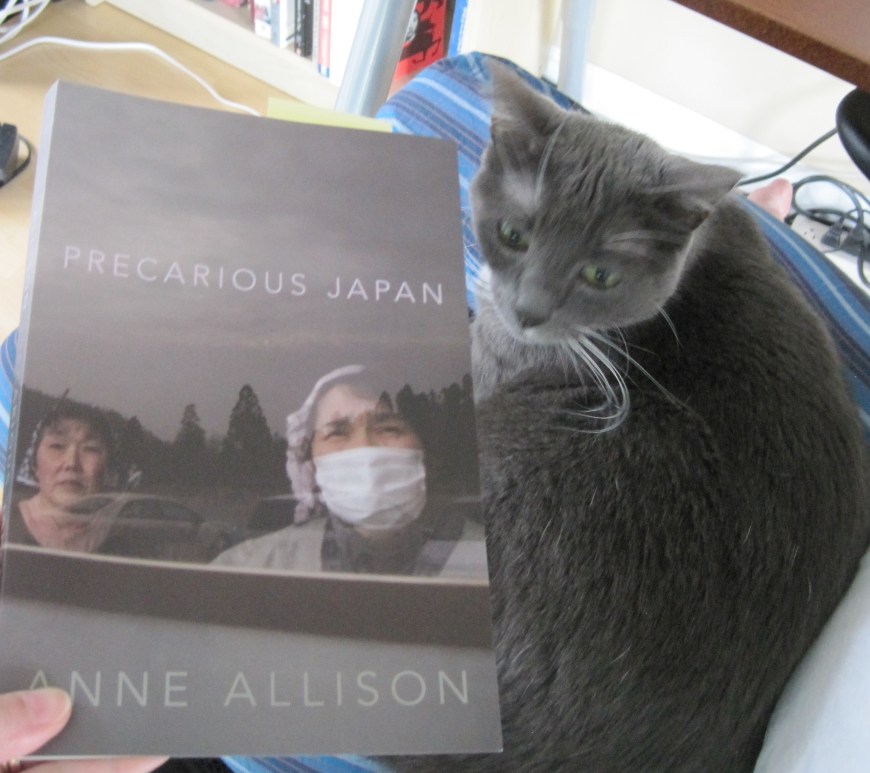
Rewriting Medieval Japanese Women: An Interview

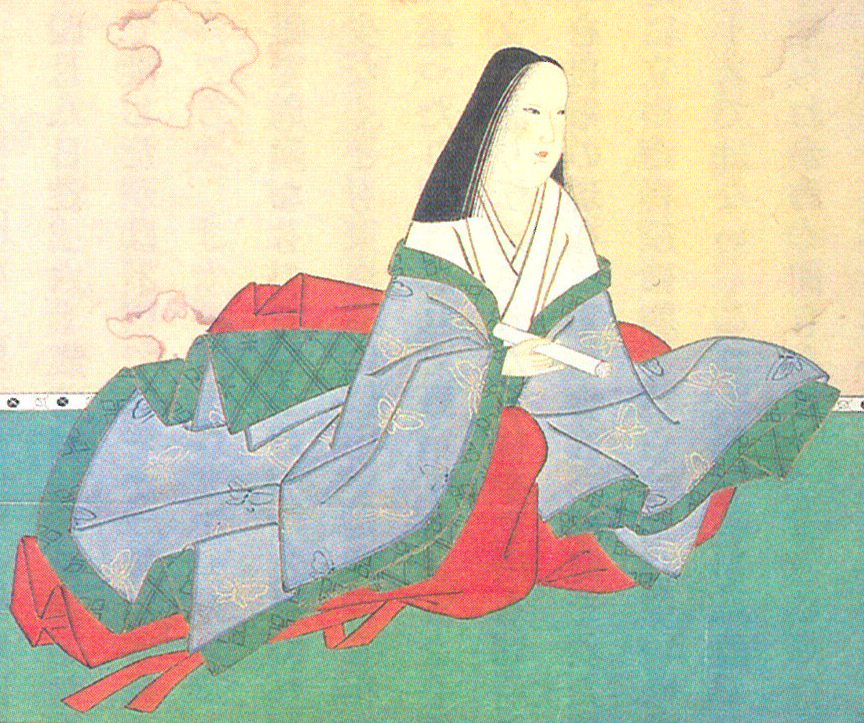
Known primarily as a travel writer thanks to the frequent assignment of her Diary in high school history and literature classes, Nun Abutsu was a thirteenth-century poet, scholar, and teacher, and also a prolific writer. Christina Laffin’s new book explores Abutsu’s life and written works, taking readers in turn through her letters, memoirs, poems, prayers, and travel diary, among others. You can listen to our conversation about it here. Continue reading Rewriting Medieval Japanese Women: An Interview

The Nature of the Beasts: An Interview

A new understanding of animals was central to how Japanese people redefined their place in the natural world in the nineteenth century. In his recent book, Ian Miller explores this transformation and its reverberations in a fascinating study of the emergence of an “ecological modernity” at the Ueno Zoo in the late nineteenth and early twentieth centuries. We spoke about the book earlier this year, and you … Continue reading The Nature of the Beasts: An Interview

White Lotus Rebels and South China Pirates: An Interview

Wensheng Wang’s new book takes us into a key turning point in the history of the Qing empire, the Qianlong-Jiaqing reign periods. Wang’s book aims to transform how we understand this crucial period in light of the eruption of major social and political crises and the consequences of imperial response to those crises for Qing and world history, and you can listen to our conversation about it here. Continue reading White Lotus Rebels and South China Pirates: An Interview

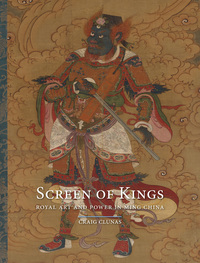
Screen of Kings: An Interview

Craig Clunas’s new book is a wonderfully and productively revisionist account of Ming history and its artifacts. Screen of Kings emphasizes the importance of members of the Ming imperial clan (i.e., those who were NOT emperors) and their courts as sites of cultural innovation, production, and reproduction, and of Ming kings as producers, collectors, and patrons of the arts. You can listen to our conversation about it here. Continue reading Screen of Kings: An Interview

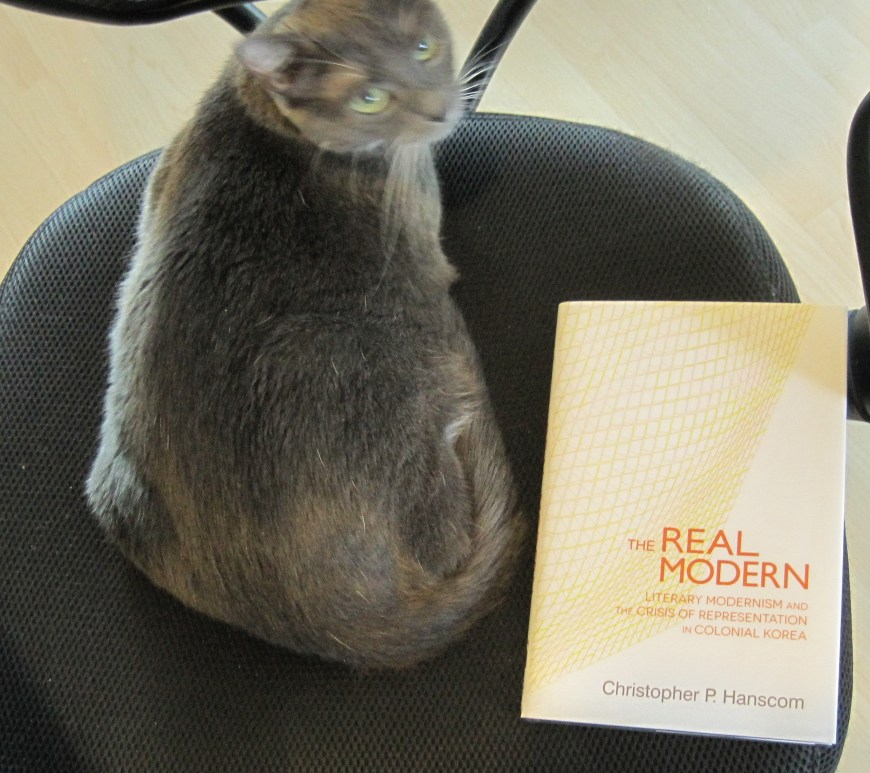
The Real Modern: An Interview

Chris Hanscom’s new book explores literary modernism in the work of three writers who were central to literary production in 1930s Korea.In addition to offering a fascinating window into modern Korean literature, he also uses the example of Korean modernism to open up the way we think of comparative literature and literary history more broadly. You can listen to our conversation about it here. Continue reading The Real Modern: An Interview

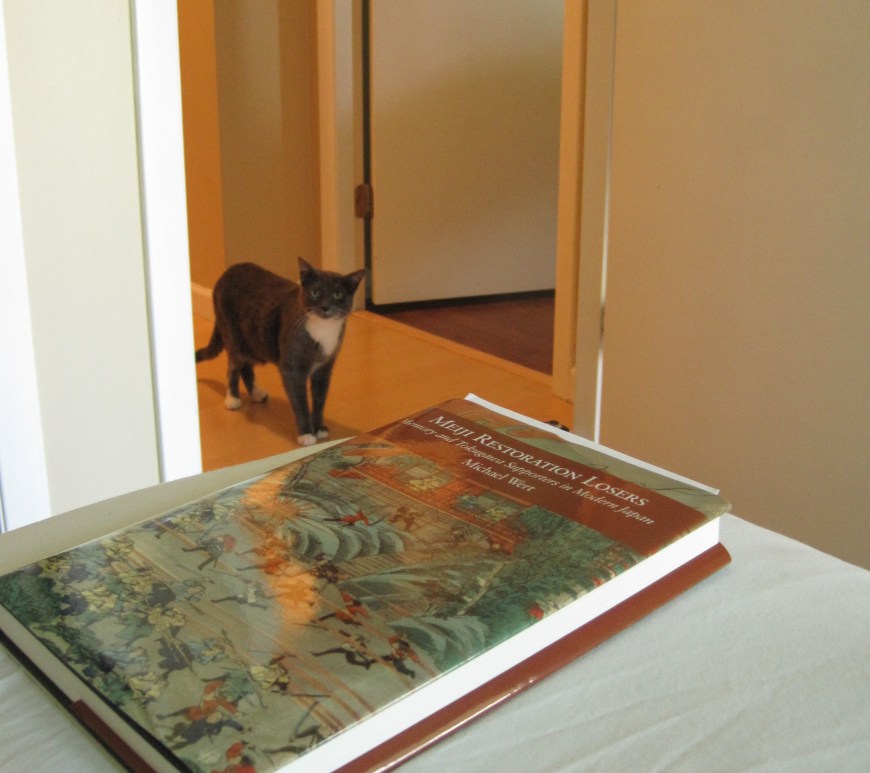
Meiji Restoration Losers: An Interview

There are so many reasons why I enjoyed talking with Michael Wert about his new book on the construction of memory around the “losers” of the Meiji Restoration, individuals and groups whose reputations suffered most in the late nineteenth-century transition from Tokugawa to imperial rule. Here are two of those reasons: (1) the book involves buried treasure, and (2) it consequently gave me an excuse to talk … Continue reading Meiji Restoration Losers: An Interview

What Remains: An Interview

Tobie Meyer-Fong generously made time to talk with me at the recent Association for Asian Studies annual conference about her fantastic new book. The book is a gorgeously written and masterfully argued exploration of the remains (in many senses and registers, both literal and figurative) of the Taiping Civil War in nineteenth-century China. You can listen to our conversation about it here. Continue reading What Remains: An Interview

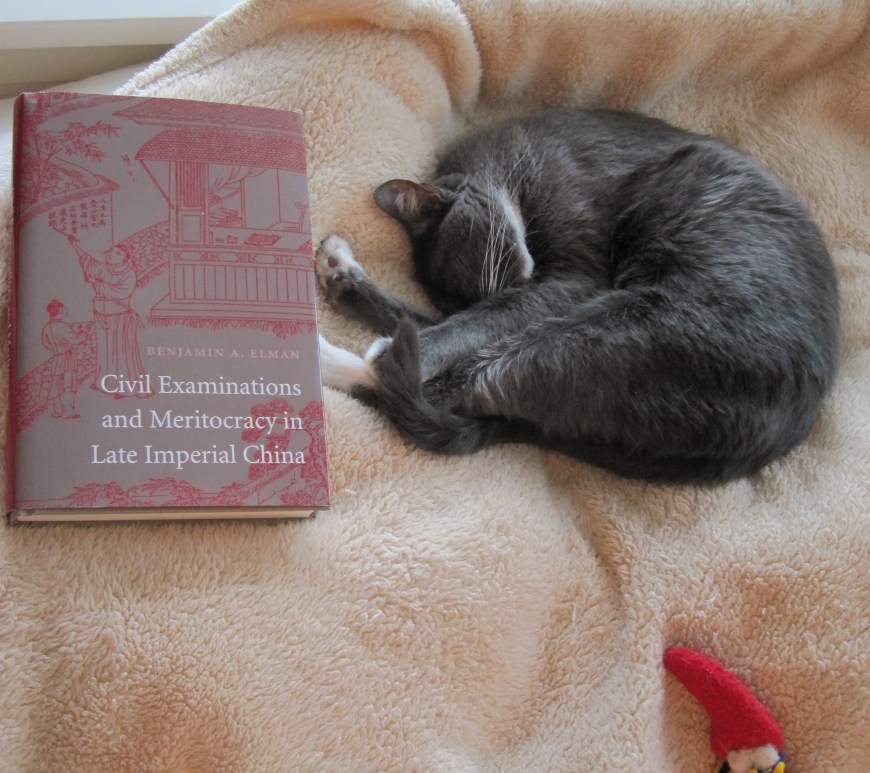
Civil Examinations and Meritocracy in Late Imperial China: An Interview

Ben Elman’s new book explores the civil examination process and the history of state exam curricula in late imperial China. Elman’s work is a careful, deeply researched, and elegantly written account of the Ming and Qing exam systems, it’s a great book to teach with, and you can listen to our conversation about it here. Continue reading Civil Examinations and Meritocracy in Late Imperial China: An Interview