Visions of Science: An Interview

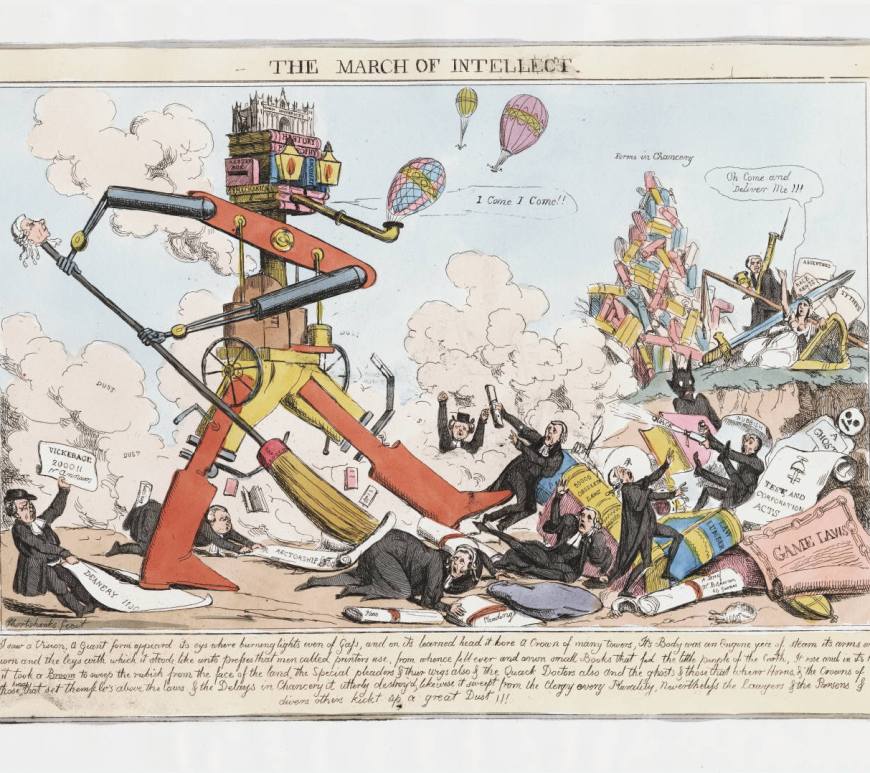
Jim Secord’s new book is both deeply enlightening and a pleasure to read. Visions of Science: Books and Readers at the Dawn of the Victorian Age (University of Chicago Press, 2014) is a fascinating exploration of books and their readers during a moment of intense transformation in British society. Secord brings us into a period of the nineteenth century when transformations in publishing and an expanded reading … Continue reading Visions of Science: An Interview

Laruelle: An Interview

What is non-philosophy, what would it look like to practice it, and what are the implications of doing so? Alexander R. Galloway introduces and explores these questions in a vibrant and thoughtful new book. Laruelle: Against the Digital (University of Minnesota Press, 2014) uses François Laruelle’s non-philosophy as a foundation for considering the philosophical concept of digitality.  We had a chance to talk about it for the New Books in … Continue reading Laruelle: An Interview

Banking on the Body: An Interview

How did we come to think of spaces for the storage and circulation of body parts as “banks,” and what are the consequences of that history for the way we think about human bodies as property today? Kara W. Swanson’s wonderful new book traces the history of body banks in America from the nineteenth century to today, focusing especially on milk, blood, and sperm. We had … Continue reading Banking on the Body: An Interview

Life on Display: An Interview

In lucid prose that’s a real pleasure to read, Karen Rader and Victoria Cain’s new book chronicles a revolution in modern American science education and culture. Life on Display: Revolutionizing U. S. Museums of Science & Natural History in the Twentieth Century guides readers through a transformation in American science and nature museums as museums moved from a nineteenth-century focus on research and specimen collections to a twentieth-century emphasis on … Continue reading Life on Display: An Interview

Chromatic Algorithms: An Interview

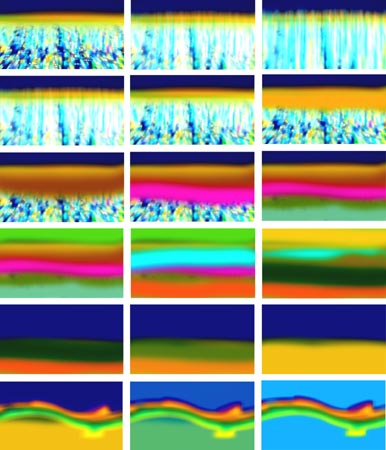
Carolyn L. Kane’s new book traces the modern history of digital color, focusing on the role of electronic color in computer art and media aesthetics since 1960. Chromatic Algorithms: Synthetic Color, Computer Art, and Aesthetics after Code places color at the center of media studies, exploring some amazing works of art and technology to understand the changing history of the relationship between color as embodied in machine … Continue reading Chromatic Algorithms: An Interview

Tweeting Da Vinci: An Interview

Ann C. Pizzorusso’s new book is a creative and gorgeously illustrated meeting of geology, art history, and Renaissance studies. Arguing that understanding Italy’s geological history can significantly inform how we see its art, literature, medicine, architecture, and more, Tweeting Da Vinci takes a deeply interdisciplinary approach to engaging the cultural history of Italy from the Etruscans to Da Vinci and beyond. You can listen to us talking about … Continue reading Tweeting Da Vinci: An Interview

Commercial Visions: An Interview

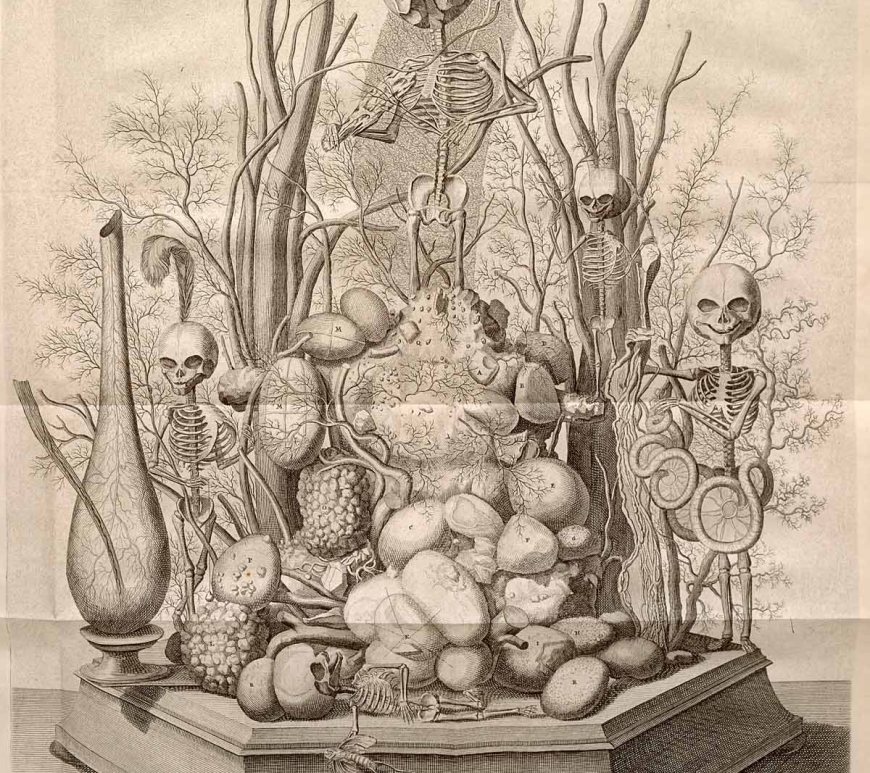
Dániel Margócsy’s beautiful new book explores the changing world of entrepreneurial science in the early modern Netherlands. Commercial Visions considers scientific knowledge as a commodity, looking carefully at how the growth of global trade in the Dutch Golden Age shaped anatomy and natural history as commercial practices. We had a chance to talk about it recently for the New Books in STS podcast, and you can find our conversation … Continue reading Commercial Visions: An Interview

Bad Water: An Interview

Robert Stoltz’s fascinating book Bad Water explores the emergence of an environmental turn in modern Japan, guiding readers through the unfolding of successive eco-historical periods in Japan while charting the transformations of an “environmental unconscious” lying at the foundation of modern social and political thought. Robert and I had a chance to talk about it for the New Books in East Asian Studies podcast, and you can listen to our conversation here. Continue reading Bad Water: An Interview

Huxley’s Church and Maxwell’s Demon: An Interview

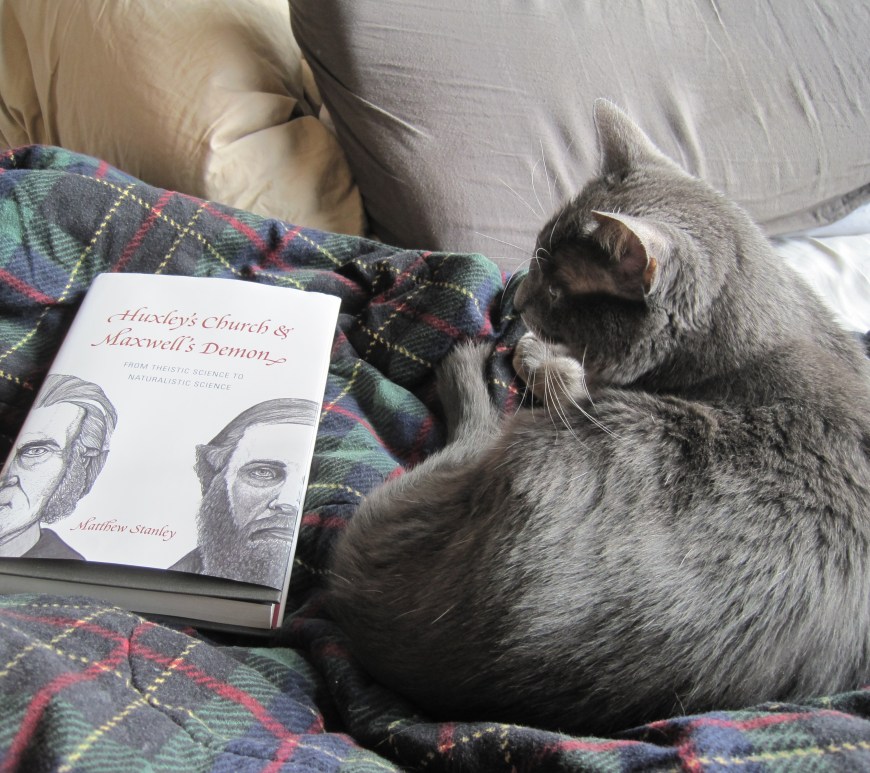
Matthew Stanley’s wonderful new book introduces James Clerk Maxwell (1831-79) and T.H. Huxley (1825-95) as they embodied theistic and naturalistic science, respectively, in Victorian Britain. Moving well beyond the widespread assumption that modern science and religion are and always have been fundamentally antithetical to one another, Huxley’s Church and Maxwell’s Demon offers a history of scientific naturalism that illustrates the deep and fundamental commonalities between positions on the proper practice … Continue reading Huxley’s Church and Maxwell’s Demon: An Interview

Life, War, Earth: An Interview

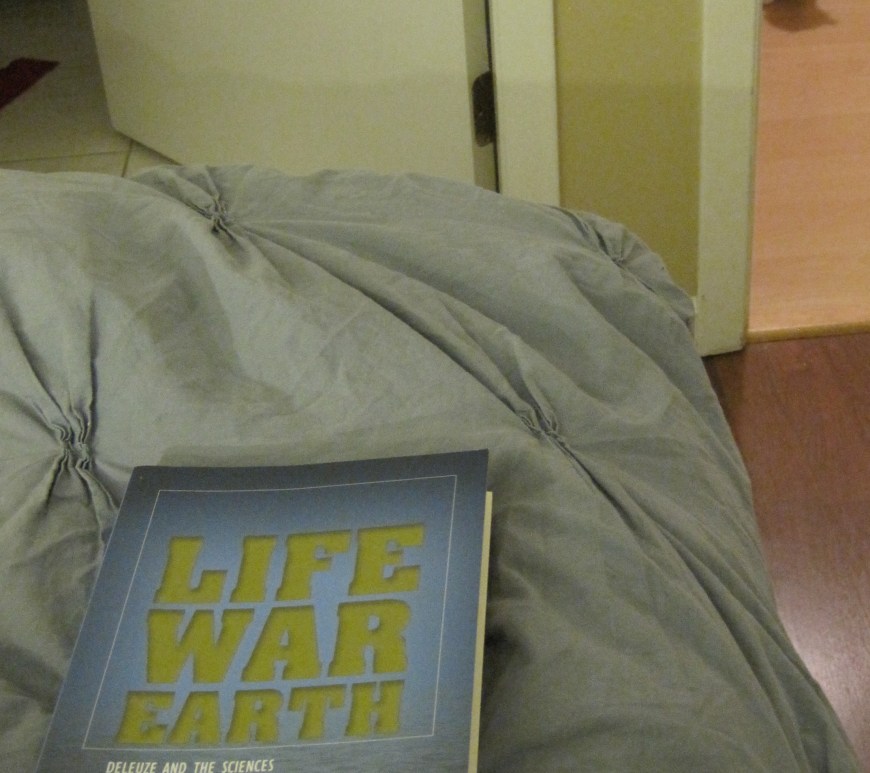
John Protevi’s new book creates a wonderfully stimulating dialogue between the work of Gilles Deleuze and some key works and concepts animating contemporary geophilosophy, cognitive science, and biology. In doing so, Protevi’s work also has the potential to inform work in STS by turning our attention to new possibilities of thinking with scale, and with a process-oriented philosophy (among many other things). You can listen to … Continue reading Life, War, Earth: An Interview