Paper Knowledge: An Interview

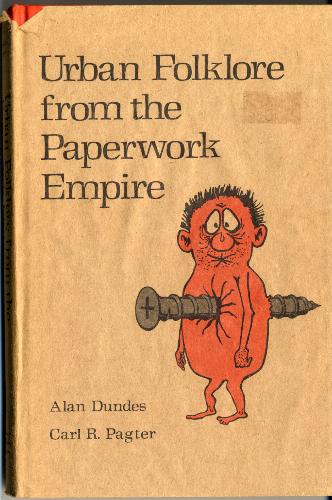
Lisa Gitelman’s new book introduces readers to a way of thinking about documents as tools for creating bodily experience, and as material objects situated within hierarchies and relationships of labor. Working beautifully at the intersection of media studies and history, it curates a thoughtful and inspiring collection of moments from the expansion of a modern “scriptural economy.” You can listen to us talk about hit here. Continue reading Paper Knowledge: An Interview

Heart of Buddha, Heart of China: An Interview

Jay Carter’s new book follows the life of one man as a way of opening a window into the lived history of twentieth-century China, yet it is less a traditional biography than a life of an emergent modern nation as told through the experiences of a single individual whose relationships embodied the history of that nation in flesh, bones, and blood. You can listen to our … Continue reading Heart of Buddha, Heart of China: An Interview

Observing by Hand: An Interview

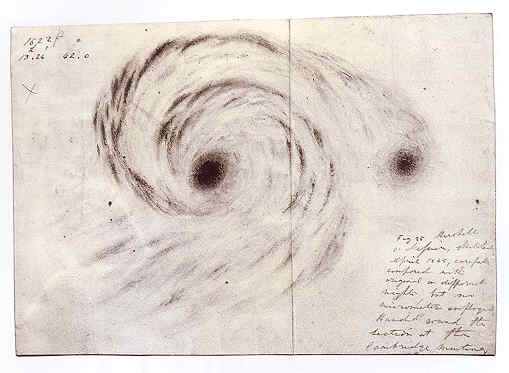
In Omar Nasim’s new book, a series of fascinating characters sketch, paint, and etch their way toward a mapping of the cosmos and the human mind. His book examines the history of observation of celestial nebulae in the nineteenth century, exploring the relationships among the acts of seeing, drawing, and knowing in producing visual knowledge about the heavens and its bodies. We had a chance to talk about … Continue reading Observing by Hand: An Interview

Rewriting Medieval Japanese Women: An Interview

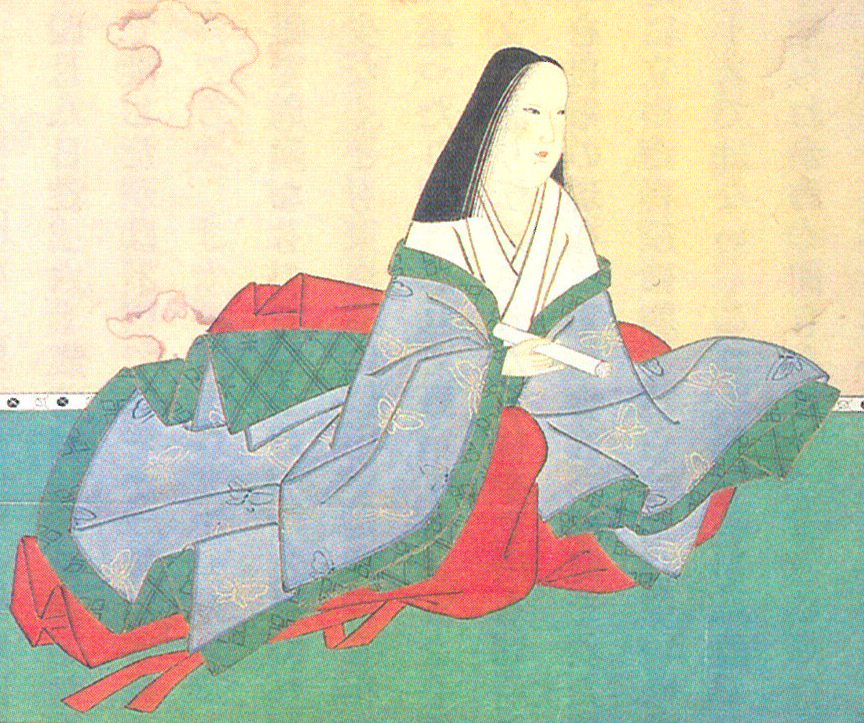
Known primarily as a travel writer thanks to the frequent assignment of her Diary in high school history and literature classes, Nun Abutsu was a thirteenth-century poet, scholar, and teacher, and also a prolific writer. Christina Laffin’s new book explores Abutsu’s life and written works, taking readers in turn through her letters, memoirs, poems, prayers, and travel diary, among others. You can listen to our conversation about it here. Continue reading Rewriting Medieval Japanese Women: An Interview

Subverting Aristotle: An Interview

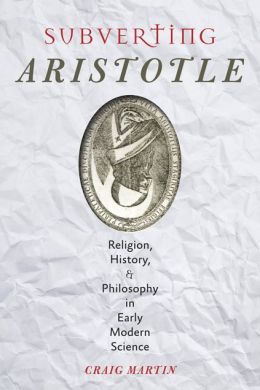
Craig Martin’s new book carefully traces religious arguments for and against Aristotelianism from the eleventh through the eighteenth centuries. Based on a close reading of a staggering array of primary sources, his book subverts several assumptions about the connection between Aristotelian thought and the emergence of the new sciences in early modernity. You can listen to our conversation about it here. Continue reading Subverting Aristotle: An Interview

Hyperobjects: An Interview

In his recent book, Timothy Morton offers a way of thinking with and about hyperobjects, particular kinds of things of which we see only pieces at any given moment. It is about global warming and intimacy and object-oriented ontology and modern art and the possibilities of a phenomenology after we get rid of any notion of “the world” as something out-there and beyond-us. For those who are … Continue reading Hyperobjects: An Interview

The Nature of the Beasts: An Interview

A new understanding of animals was central to how Japanese people redefined their place in the natural world in the nineteenth century. In his recent book, Ian Miller explores this transformation and its reverberations in a fascinating study of the emergence of an “ecological modernity” at the Ueno Zoo in the late nineteenth and early twentieth centuries. We spoke about the book earlier this year, and you … Continue reading The Nature of the Beasts: An Interview

White Lotus Rebels and South China Pirates: An Interview

Wensheng Wang’s new book takes us into a key turning point in the history of the Qing empire, the Qianlong-Jiaqing reign periods. Wang’s book aims to transform how we understand this crucial period in light of the eruption of major social and political crises and the consequences of imperial response to those crises for Qing and world history, and you can listen to our conversation about it here. Continue reading White Lotus Rebels and South China Pirates: An Interview