Hyperobjects: An Interview

In his recent book, Timothy Morton offers a way of thinking with and about hyperobjects, particular kinds of things of which we see only pieces at any given moment. It is about global warming and intimacy and object-oriented ontology and modern art and the possibilities of a phenomenology after we get rid of any notion of “the world” as something out-there and beyond-us. For those who are … Continue reading Hyperobjects: An Interview

The Nature of the Beasts: An Interview

A new understanding of animals was central to how Japanese people redefined their place in the natural world in the nineteenth century. In his recent book, Ian Miller explores this transformation and its reverberations in a fascinating study of the emergence of an “ecological modernity” at the Ueno Zoo in the late nineteenth and early twentieth centuries. We spoke about the book earlier this year, and you … Continue reading The Nature of the Beasts: An Interview

White Lotus Rebels and South China Pirates: An Interview

Wensheng Wang’s new book takes us into a key turning point in the history of the Qing empire, the Qianlong-Jiaqing reign periods. Wang’s book aims to transform how we understand this crucial period in light of the eruption of major social and political crises and the consequences of imperial response to those crises for Qing and world history, and you can listen to our conversation about it here. Continue reading White Lotus Rebels and South China Pirates: An Interview

Embryos Under the Microscope: An Interview

Jane Maienschein’s great new book traces the history of transformations in the observation and observability of the earliest stages of developing life. Embryos Under the Microscope is equally suited to both academic historians and a broader interested public, carefully curating the elements of the narrative such that they collectively inform broader debates over embryo-related policy in the contemporary United States. You can find our conversation about it here. Continue reading Embryos Under the Microscope: An Interview

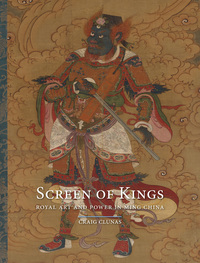
Screen of Kings: An Interview

Craig Clunas’s new book is a wonderfully and productively revisionist account of Ming history and its artifacts. Screen of Kings emphasizes the importance of members of the Ming imperial clan (i.e., those who were NOT emperors) and their courts as sites of cultural innovation, production, and reproduction, and of Ming kings as producers, collectors, and patrons of the arts. You can listen to our conversation about it here. Continue reading Screen of Kings: An Interview

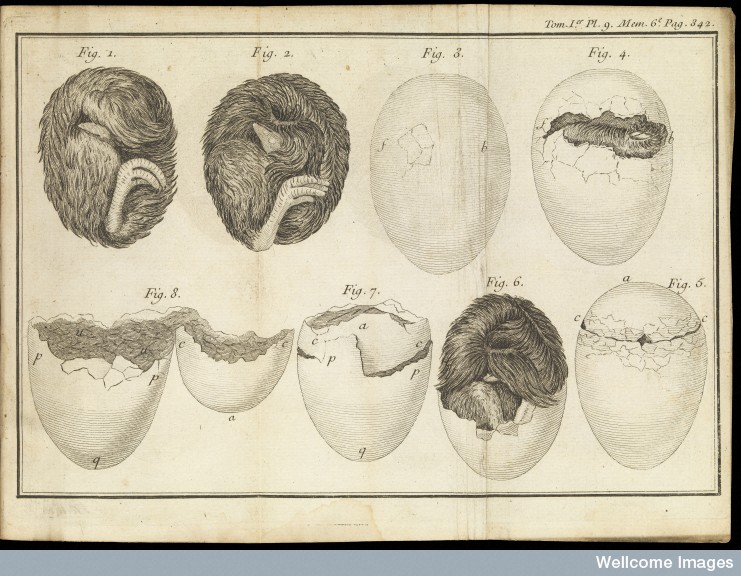
Catching Nature in the Act: An Interview

Mary Terrall’s new book is a beautifully-written, carefully-researched, and compellingly-argued account of the practices of natural history in the eighteenth-century francophone world. It is a must-read for historians of science, and as a bonus it also includes descriptions of frog pants, chickens wearing stockings, and mittens made of spider silk. You can find our conversation about it here. Continue reading Catching Nature in the Act: An Interview

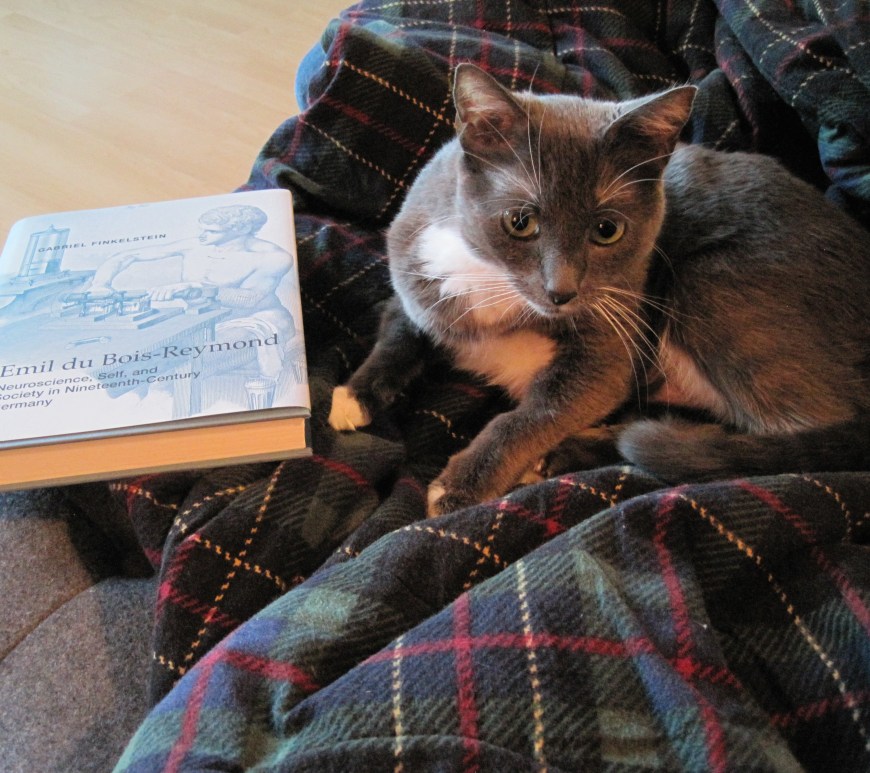
Emil du Bois-Reymond: An Interview

Gabriel Finkelstein’s new book explores the life and work of Emil du Bois-Reymond, “the most important forgotten intellectual of the nineteenth century.” The beautifully written book introduces readers to diary pages and love letters, laboratory equipment and frog pistols. Whether he’s busy conducting electrical experiments or avoiding his underwear-proffering mother-in-law, du Bois-Reymond is a pleasure to read about. You can find our conversation about Finkelstein’s book here. Continue reading Emil du Bois-Reymond: An Interview