Recycling History: An Essay

Last year I published a short essay in the journal Tang Studies, occasioned by the publication of Valerie Hansen’s wonderful The Silk Road: A New History. The piece attempted to situate Hansen’s book within a broader consideration of contemporary research (and, importantly, teaching!) on Silk Road studies. You can find the issue in which the essay was published here. If you’d like to read it and can’t … Continue reading Recycling History: An Essay

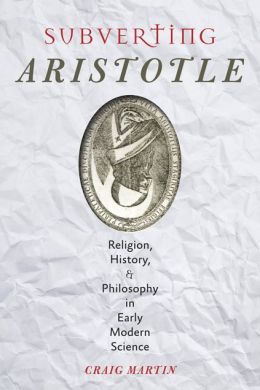
Subverting Aristotle: An Interview

Craig Martin’s new book carefully traces religious arguments for and against Aristotelianism from the eleventh through the eighteenth centuries. Based on a close reading of a staggering array of primary sources, his book subverts several assumptions about the connection between Aristotelian thought and the emergence of the new sciences in early modernity. You can listen to our conversation about it here. Continue reading Subverting Aristotle: An Interview

Maggots, Jawbones, and a Multilingual Archive of Decay: An Essay

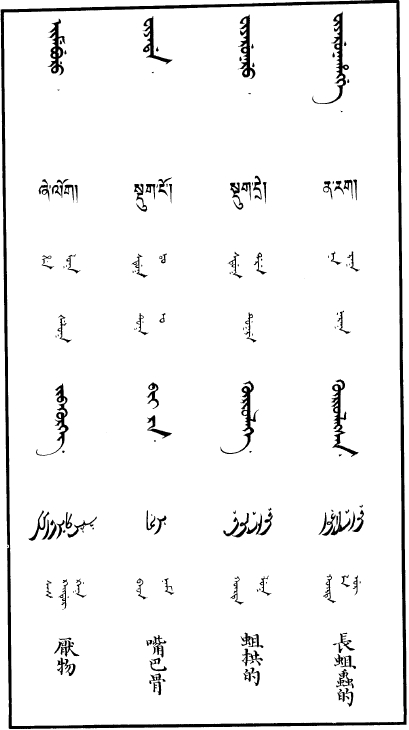
What has it looked like to translate expletives and curses across languages, and what might we learn from looking closely at an example of a text that tries to do just that? I recently (and very briefly) wrote about this phenomenon in the context of a Qing-era pentaglot dictionary. My thoughts on this text and phenomenon are very much in-progress, but you can find a snapshot … Continue reading Maggots, Jawbones, and a Multilingual Archive of Decay: An Essay

Bolatu’s Pharmacy: An Essay

I’m interested in the ways that recipes and other drug literature were spaces of translation and exchange for people who spoke and wrote different languages and lived in different healing contexts in the early modern world. Some years ago I wrote an essay on this that used the translation of theriac (an extraordinarily important compound drug and poison antidote in medieval and early modern Europe) into … Continue reading Bolatu’s Pharmacy: An Essay

Screen of Kings: An Interview

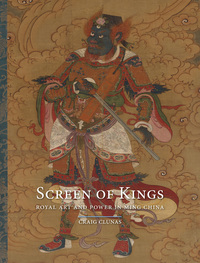
Craig Clunas’s new book is a wonderfully and productively revisionist account of Ming history and its artifacts. Screen of Kings emphasizes the importance of members of the Ming imperial clan (i.e., those who were NOT emperors) and their courts as sites of cultural innovation, production, and reproduction, and of Ming kings as producers, collectors, and patrons of the arts. You can listen to our conversation about it here. Continue reading Screen of Kings: An Interview

Civil Examinations and Meritocracy in Late Imperial China: An Interview

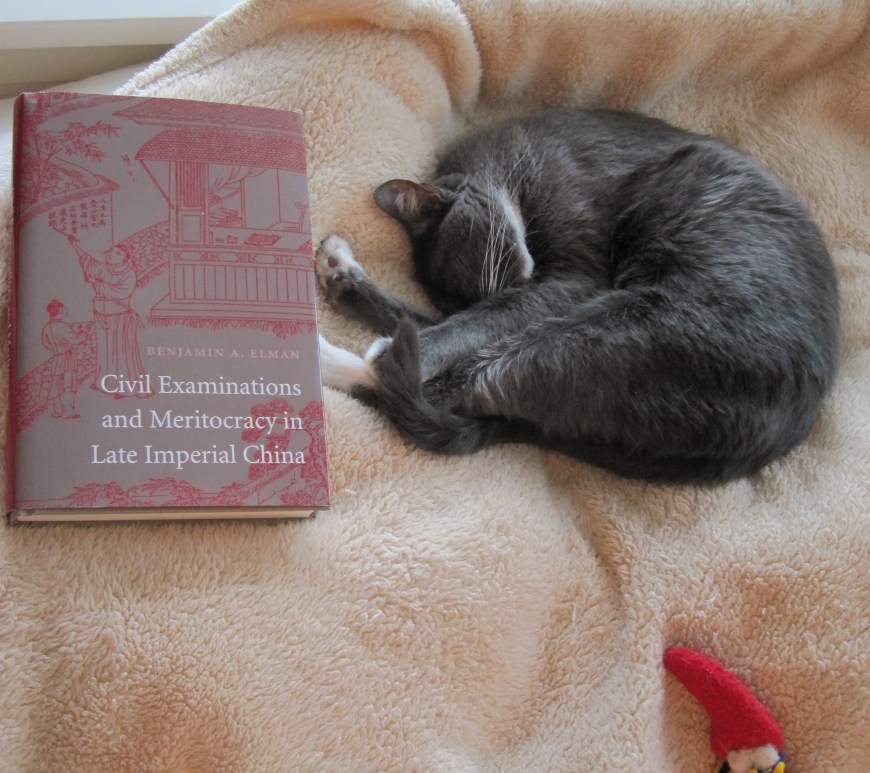
Ben Elman’s new book explores the civil examination process and the history of state exam curricula in late imperial China. Elman’s work is a careful, deeply researched, and elegantly written account of the Ming and Qing exam systems, it’s a great book to teach with, and you can listen to our conversation about it here. Continue reading Civil Examinations and Meritocracy in Late Imperial China: An Interview

The Plum in the Golden Vase: An Interview

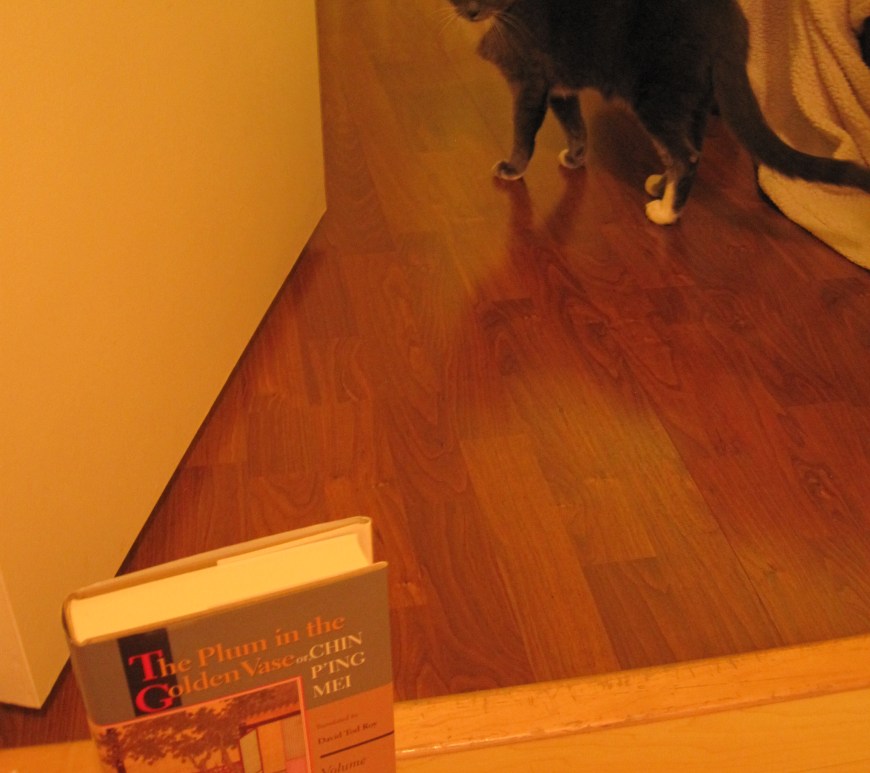
By any measure, David Tod Roy’s five-volume translation The Plum in the Golden Vase or, Chin P’ing Mei is a landmark achievement for East Asian Studies, translation studies, and world literature. It was an honor and a great pleasure to talk with David about his work on the occasion of the publication of the fifth and final volume of his translation, and you can listen to our conversation about it here. Continue reading The Plum in the Golden Vase: An Interview