Bitter Roots: An Interview

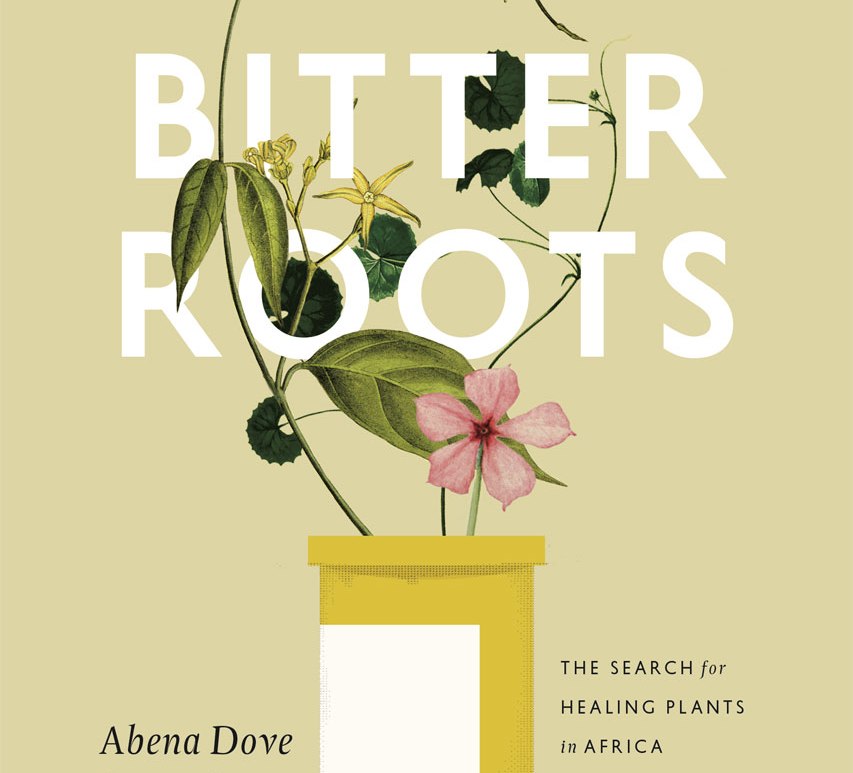
Abena Dove Osseo-Asare’s wonderful new book is a thoughtful, provocative, and balanced account of the intersecting histories and practices of drug research in modern Ghana, South Africa, and Madagascar. Bitter Roots: The Search for Healing Plants in Africa (University of Chicago Press, 2014) tells the stories of six plants, all sourced in African countries, that competing groups of plant specialists have tried to transform into pharmaceuticals since … Continue reading Bitter Roots: An Interview

Native American DNA: An Interview

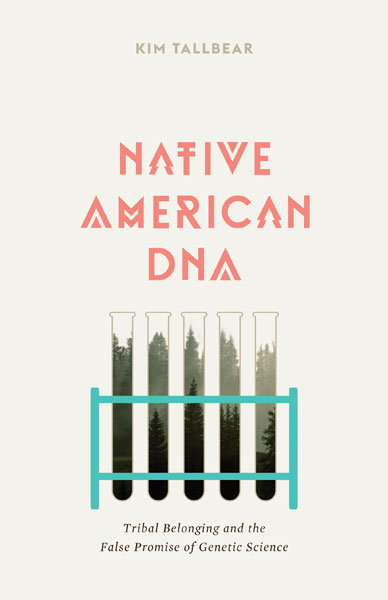
Bringing together STS, Native American and Indigenous Studies, histories of science and race, ethnography, and cultural studies, Native American DNA: Tribal Belonging and the False Promise of Genetic Science (University of Minnesota Press, 2013) traces a genealogy of “Native American DNA” as an object, an instrument, and an idea. Gripping and important on many levels, Kim TallBear’s book situates the emergence of genetic notions of racial and … Continue reading Native American DNA: An Interview

Being Human in a Buddhist World: An Interview

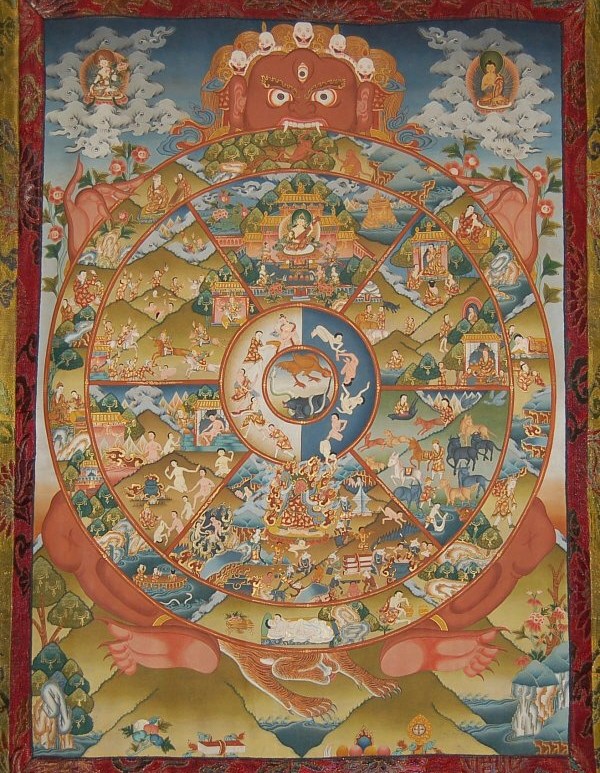
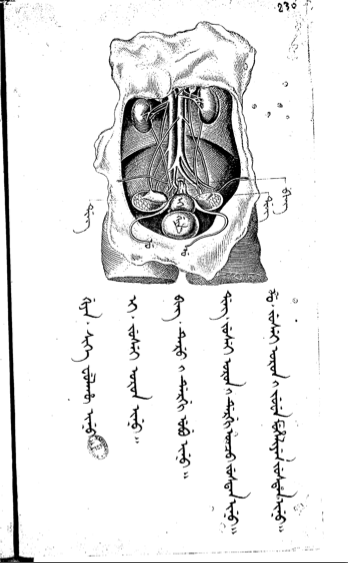
Janet Gyatso’s new book is a masterfully researched, compellingly written, and gorgeously illustrated history of medicine in early modern Tibet that looks carefully at the relationships between medicine and religion in this context. Being Human in a Buddhist World: An Intellectual History of Medicine in Early Modern Tibet (Columbia University Press, 2015) looks carefully at the “double movements” of medicine and religion from the twelfth through seventeenth centuries: … Continue reading Being Human in a Buddhist World: An Interview

Homesickness: An Interview

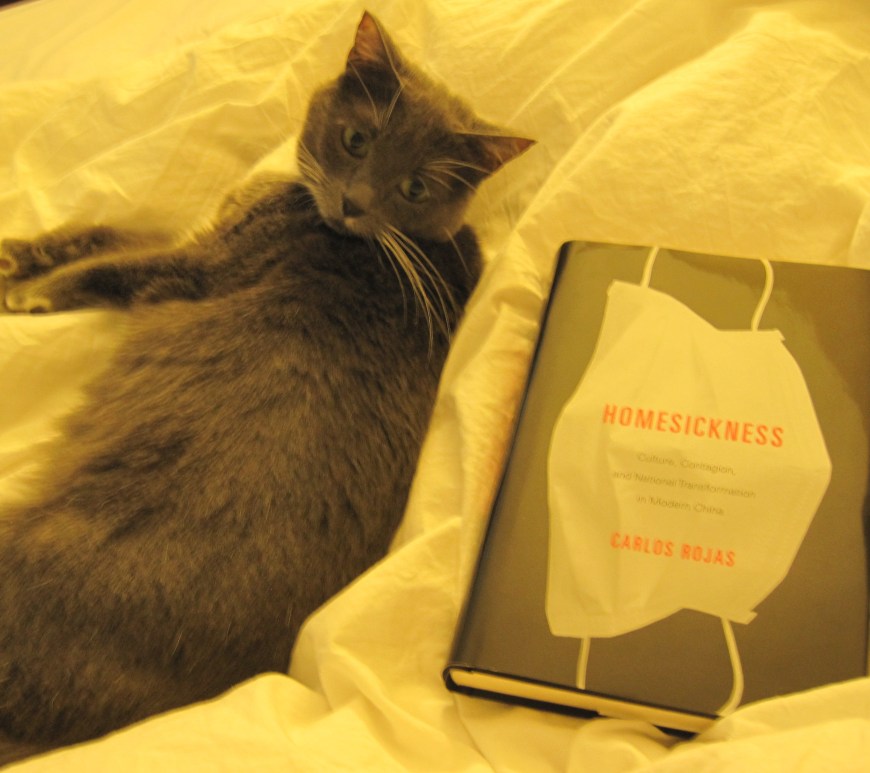
Carlos Rojas’s new book is a wonderfully transdisciplinary exploration of discourses of sickness and disease in Chinese literature and cinema in the long twentieth century. As its title indicates, Homesickness: Culture, Contagion, and National Transformation in Modern China (Harvard University Press, 2015) focuses particularly on what Rojas calls “homesickness,” a condition wherein “a node of alterity is structurally expelled from an individual or collective body in order … Continue reading Homesickness: An Interview

Daughters of Alchemy: An Interview

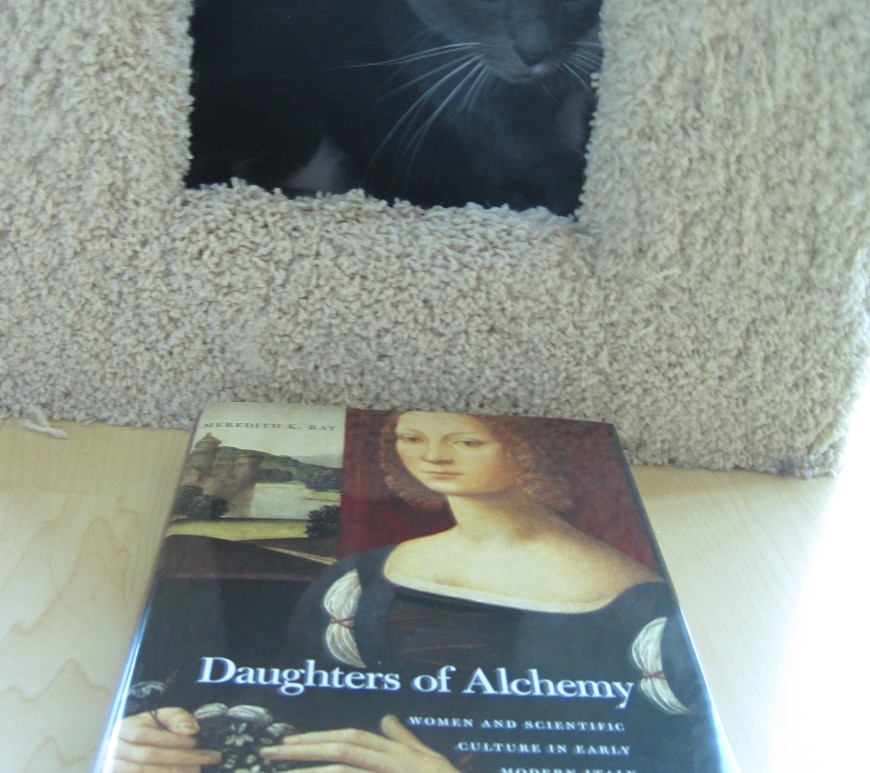
Meredith K. Ray’s new book explores women’s contributions to the landscape of scientific culture in early modern Italy from about 1500 to 1623. Women in this period were engaging with science in the home, at court, in vernacular literature, in academies, in salons, and in letters, and Daughters of Alchemy: Women and Scientific Culture in Early Modern Italy (Harvard University Press, 2015) looks both at women’s practical … Continue reading Daughters of Alchemy: An Interview

Good Science: An Interview

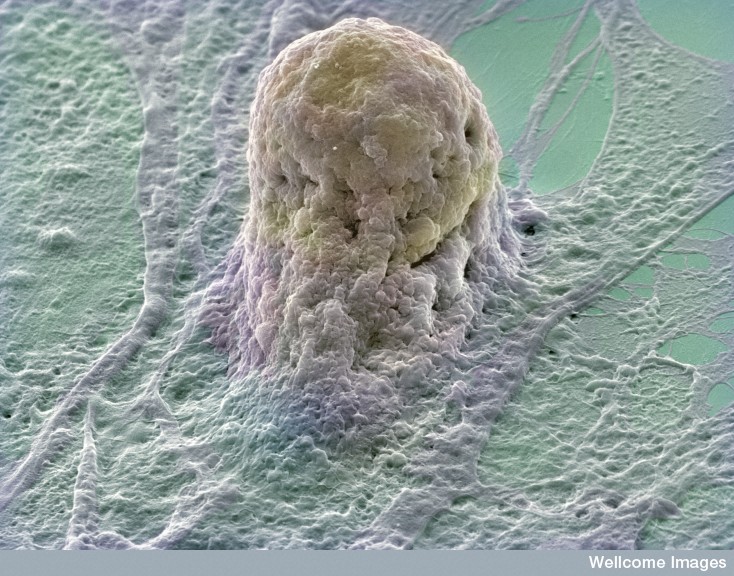
Charis Thompson’s Good Science: The Ethical Choreography of Stem Cell Research (MIT Press, 2013) is an important book that explores the “ethical choreography” of the consolidation of human embryonic stem cell research in the first decade of the twenty-first century, drawing important implications for the possible futures of stem cell research by looking carefully at its past and developing an approach to what Thompson calls “good science.” You … Continue reading Good Science: An Interview

Translating Recipes Part 10 & 11: Recipes, Time, Space, and “After”

The most recent parts of a multi-part series exploring time and space in (Manchu) recipe literature and in translation were just posted at The Recipes Project. You can find them here and here. This one focuses on exploring the work of “after”-ness in recipe literature, and it includes a relevant translation of our multiply-translated Manchu recipe. Links to the entire Translating Recipes series (so far) can be found on the … Continue reading Translating Recipes Part 10 & 11: Recipes, Time, Space, and “After”

Translating Recipes 9: Recipes in Time and Space Part 3 – IF

The third part of a multi-part series exploring time and space in (Manchu) recipe literature and in translation has just been posted at The Recipes Project. You can find it here. This one focuses on exploring the work of “if”-ness in recipe literature, and it includes a kind of Choose Your Own Adventure translation of our multiply-translated Manchu recipe. Later posts in this series will take on other prepositional attitudes … Continue reading Translating Recipes 9: Recipes in Time and Space Part 3 – IF

Banking on the Body: An Interview

How did we come to think of spaces for the storage and circulation of body parts as “banks,” and what are the consequences of that history for the way we think about human bodies as property today? Kara W. Swanson’s wonderful new book traces the history of body banks in America from the nineteenth century to today, focusing especially on milk, blood, and sperm. We had … Continue reading Banking on the Body: An Interview

Commercial Visions: An Interview

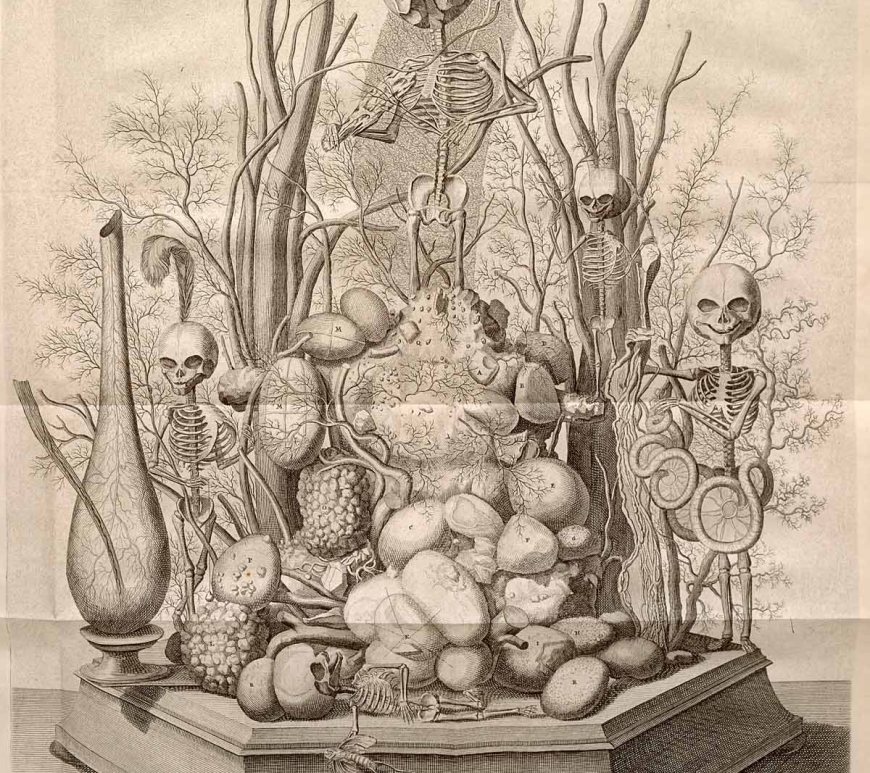
Dániel Margócsy’s beautiful new book explores the changing world of entrepreneurial science in the early modern Netherlands. Commercial Visions considers scientific knowledge as a commodity, looking carefully at how the growth of global trade in the Dutch Golden Age shaped anatomy and natural history as commercial practices. We had a chance to talk about it recently for the New Books in STS podcast, and you can find our conversation … Continue reading Commercial Visions: An Interview