Two Tibetan Studies Readers: An Interview

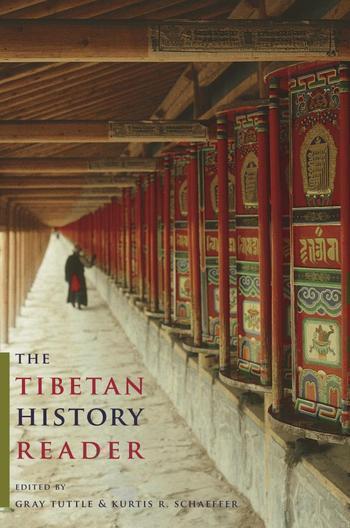
Two new books have recently been published that will change the way we can study and teach Tibetan studies, and Gray Tuttle and Kurtis Schaeffer were kind enough to talk with me recently about them. The Tibetan History Reader (Columbia University Press, 2013), edited by Tuttle and Schaeffer, is a chronologically-organized set of essays that collectively introduce key topics and themes in Tibetan history from prehistory all the way through the … Continue reading Two Tibetan Studies Readers: An Interview

Waverings: An Interview

David Hull’s new translation of Mao Dun’s Waverings (Chinese University of Hong Kong, 2014) (Research Centre for Translation, Chinese University of Hong Kong, 2014) is both a beautiful literary work and a boon for scholars and teachers working in the field of modern Chinese studies. Waverings is the second work in the Eclipse trilogy, three books that were published serially in The Short Story Magazine beginning in 1927. These are the first … Continue reading Waverings: An Interview

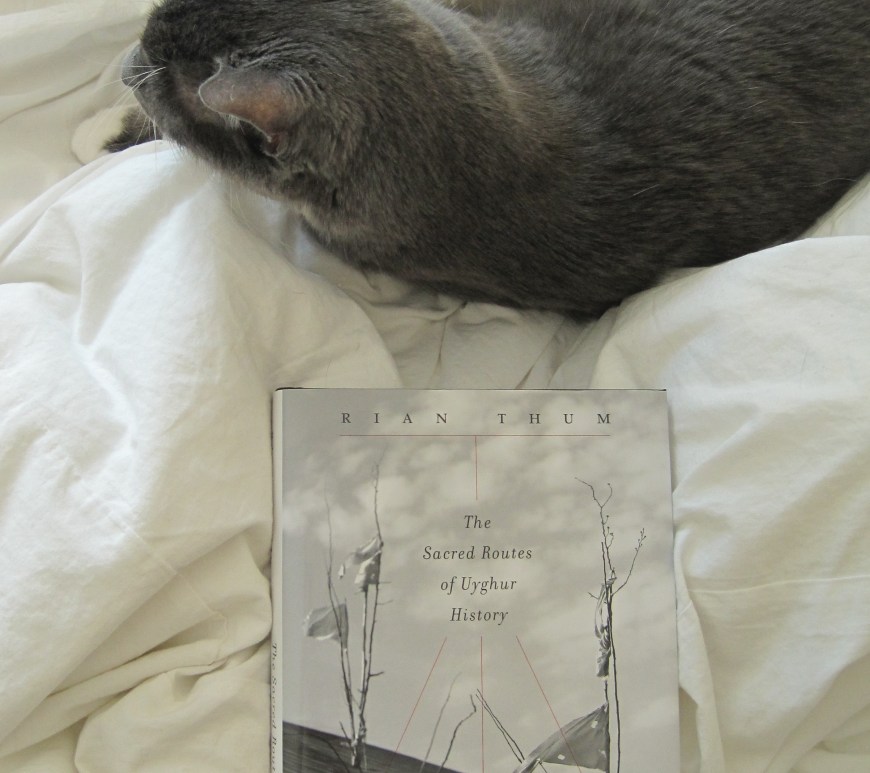
The Sacred Routes of Uyghur History: An Interview

In his fascinating new book, Rian Thum explores the craft, materiality, nature, and readership of Uyghur history over the past 300 years. The Sacred Routes of Uyghur History (Harvard University Press, 2014) argues that understanding Uyghur history in this way is crucial for understanding both Uyghur identity and continuing relationships with the Chinese state. Rather than writing a narrative of “Xinjiang,” Thum instead crafts his history as a story … Continue reading The Sacred Routes of Uyghur History: An Interview

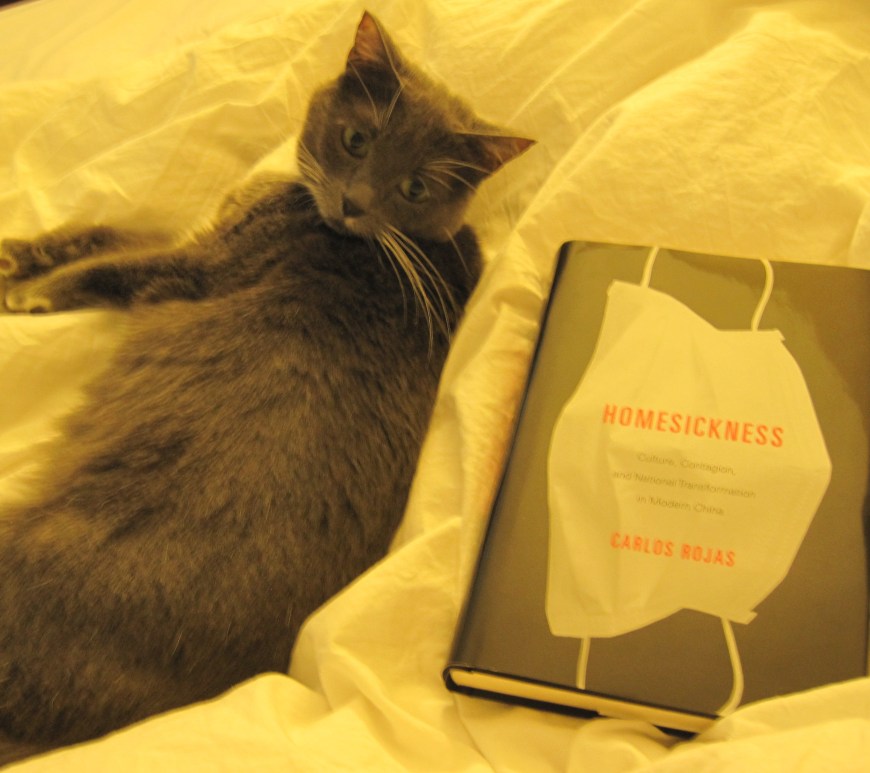
Homesickness: An Interview

Carlos Rojas’s new book is a wonderfully transdisciplinary exploration of discourses of sickness and disease in Chinese literature and cinema in the long twentieth century. As its title indicates, Homesickness: Culture, Contagion, and National Transformation in Modern China (Harvard University Press, 2015) focuses particularly on what Rojas calls “homesickness,” a condition wherein “a node of alterity is structurally expelled from an individual or collective body in order … Continue reading Homesickness: An Interview

The Life of the Buddha: An Interview

Kurtis R. Schaeffer’s new translation of Tenzin Chögyel’s The Life of the Buddha (Penguin Books, 2015) is a boon for teachers, researchers, and eager readers alike. Composed in the middle of the eighteenth century, The Life of the Buddha takes the form of twelve major life episodes that collectively provide a “blueprint for an ideal Buddhist life,” as readers follow the Bodhisattva from early pages teaching the gods in … Continue reading The Life of the Buddha: An Interview

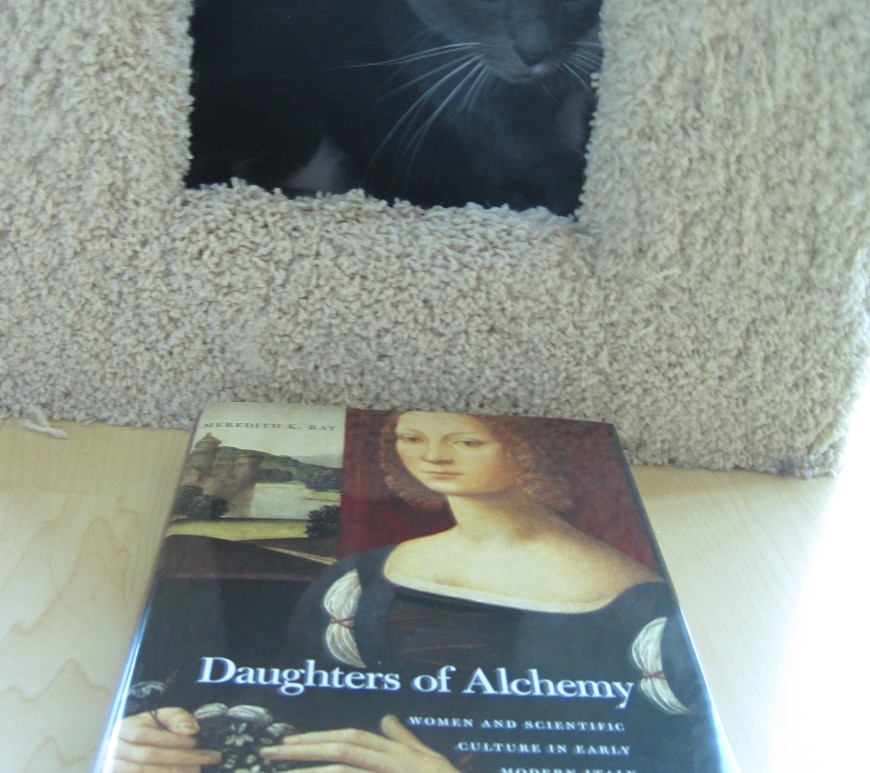
Daughters of Alchemy: An Interview

Meredith K. Ray’s new book explores women’s contributions to the landscape of scientific culture in early modern Italy from about 1500 to 1623. Women in this period were engaging with science in the home, at court, in vernacular literature, in academies, in salons, and in letters, and Daughters of Alchemy: Women and Scientific Culture in Early Modern Italy (Harvard University Press, 2015) looks both at women’s practical … Continue reading Daughters of Alchemy: An Interview

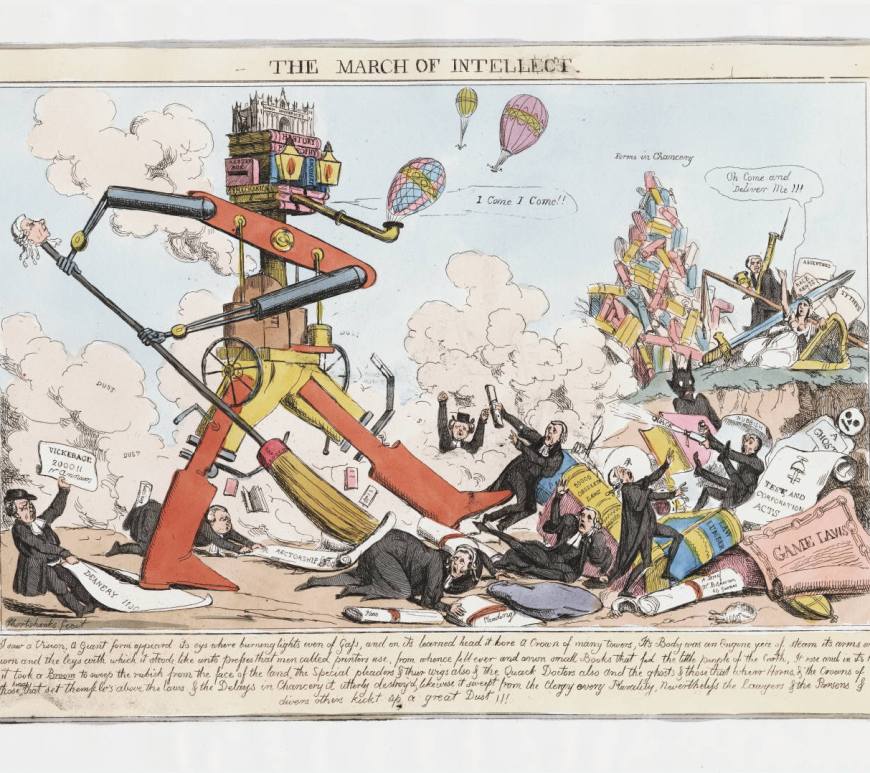
Visions of Science: An Interview

Jim Secord’s new book is both deeply enlightening and a pleasure to read. Visions of Science: Books and Readers at the Dawn of the Victorian Age (University of Chicago Press, 2014) is a fascinating exploration of books and their readers during a moment of intense transformation in British society. Secord brings us into a period of the nineteenth century when transformations in publishing and an expanded reading … Continue reading Visions of Science: An Interview

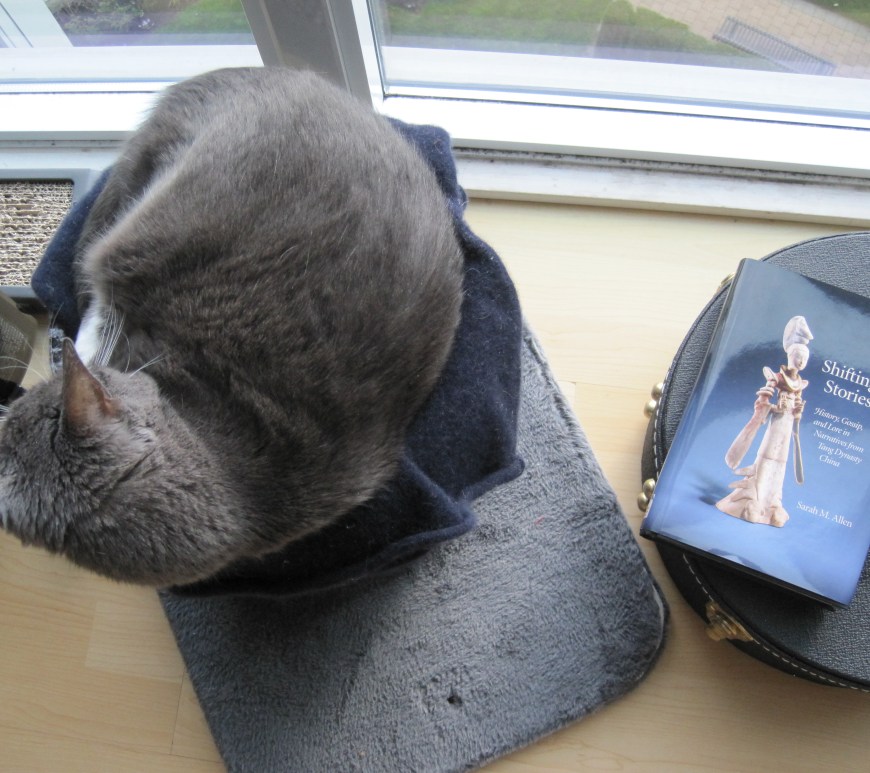
Shifting Stories: An Interview

Sarah M. Allen’s new book looks at the literature of tales in eighth- and ninth-century China. Shifting Stories: History, Gossip, and Lore in Narratives from Tang Dynasty China (Harvard University Asia Center, 2014) situates Tang tales in the context of social story exchange among elite men. Allen’s work not only contributes significantly to how we understand and frame concepts like fiction and fact, authorship, gossip, and collection, … Continue reading Shifting Stories: An Interview

Translating Recipes Part 10 & 11: Recipes, Time, Space, and “After”

The most recent parts of a multi-part series exploring time and space in (Manchu) recipe literature and in translation were just posted at The Recipes Project. You can find them here and here. This one focuses on exploring the work of “after”-ness in recipe literature, and it includes a relevant translation of our multiply-translated Manchu recipe. Links to the entire Translating Recipes series (so far) can be found on the … Continue reading Translating Recipes Part 10 & 11: Recipes, Time, Space, and “After”

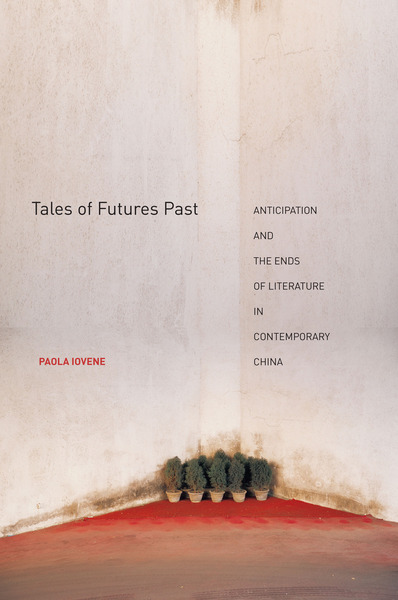
Tales of Futures Past: An Interview

Paola Iovene’s new book is a beautiful exploration of visions of the future as they have shaped a range of texts, genres, and editorial practices in Chinese literature from the middle of the twentieth century through the beginning of the twenty-first century. Tales of Futures Past traces ideas of the future through children’s books, popular science, science fiction, poetry, fiction, and other kinds of text and practice. … Continue reading Tales of Futures Past: An Interview