Seeing Like a Rover: An Interview

Janet Vertesi’s fascinating new book is an ethnography of the Mars Rover mission that takes readers into the practices involved in working with the two robotic explorers Spirit and Opportunity. Based on two years of immersive ethnography from 2006-2008, Seeing like a Rover: How Robots, Teams, and Images Craft Knowledge of Mars (University of Chicago Press, 2015) focuses on the visuality of the mission, exploring “how scientists and engineers on Earth … Continue reading Seeing Like a Rover: An Interview

China’s War Reporters: An Interview

Parks Coble’s new book is a wonderful study of memory, war, and history that takes the Sino-Japanese War of 1937-1945 and its aftermath as its focus. China’s War Reporters: The Legacy of Resistance against Japan (Harvard University Press, 2015) look closely at writing done by journalists and intellectuals during the war, as well as the “re-remembering” of the war in modern China. Collectively, the chapters of China’s War Reporters argue that the … Continue reading China’s War Reporters: An Interview

Life Beside Itself: An Interview

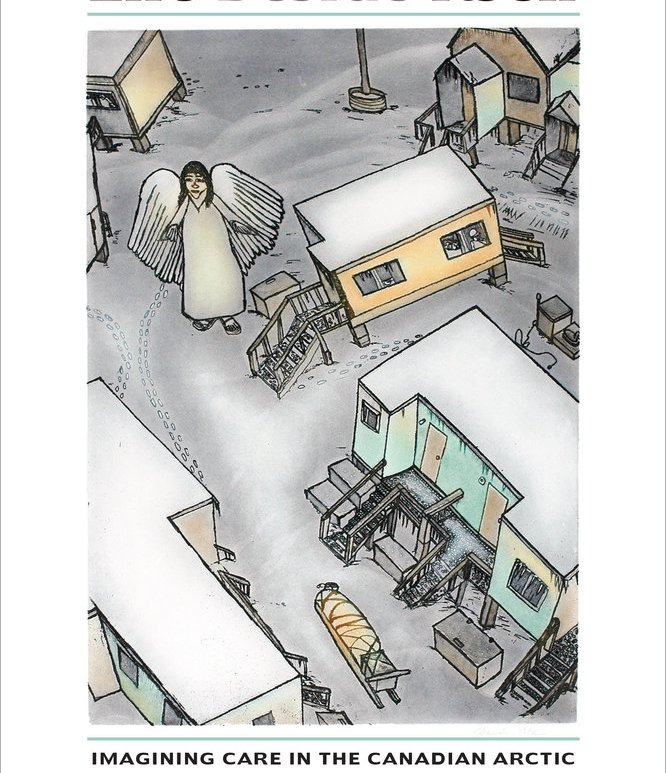
Lisa Stevenson’s new book opens with two throat-singing women and one listening king. Whether we hear them sitting down to a normal night’s dinner (as the women) or stalking the pages of a short story from Italo Calvino’s Under the Jaguar Sun (as the king), listening to these voices can potentially transform our notion of listening itself, as well as our understanding of what a “self” is … Continue reading Life Beside Itself: An Interview

Working Skin: An Interview

Joseph D. Hankins’s marvelous new ethnography of the contemporary Buraku people looks at the labor involved in “identifying, dismantling, and reproducing” the Buraku situation in Japan and beyond. Taking readers on a journey from Lubbock, Texas to Tokyo, India, and back again, Working Skin: Making Leather, Making a Multicultural Japan (University of California Press, 2014) brings a diverse range of ethnographic experiences to bear on understanding the … Continue reading Working Skin: An Interview

Yellow River: An Interview

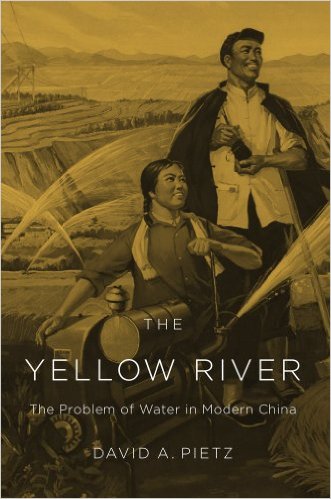
David A. Pietz’s new book argues that China’s water challenges are historically grounded, and that these historical realities are not going to disappear anytime soon. Using a careful history of water and environmental management to inform our understanding of water-related challenges in contemporary China, Yellow River: The Problem of Water in Modern China (Harvard University Press, 2015) asks, how did China reach its current state of water … Continue reading Yellow River: An Interview

Spark from the Deep: An Interview

“In a sense, all life consists of the colonization of an electric world. But to see that, we have to go back to the very beginning.” William J. Turkel’s new book traces the emergence and inhabiting of an electric world through the span of human history and beyond. Embracing a “big history” approach to the archive, Spark from the Deep: How Shocking Experiments with Strongly Electric Fish … Continue reading Spark from the Deep: An Interview

Two Tibetan Studies Readers: An Interview

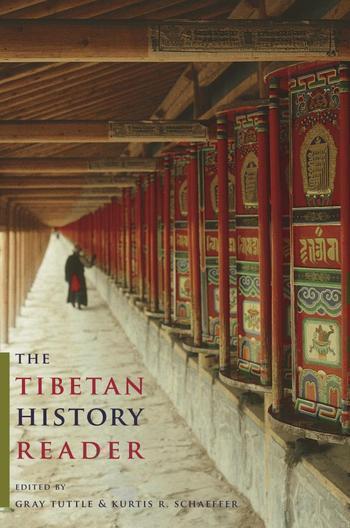
Two new books have recently been published that will change the way we can study and teach Tibetan studies, and Gray Tuttle and Kurtis Schaeffer were kind enough to talk with me recently about them. The Tibetan History Reader (Columbia University Press, 2013), edited by Tuttle and Schaeffer, is a chronologically-organized set of essays that collectively introduce key topics and themes in Tibetan history from prehistory all the way through the … Continue reading Two Tibetan Studies Readers: An Interview

Bitter Roots: An Interview

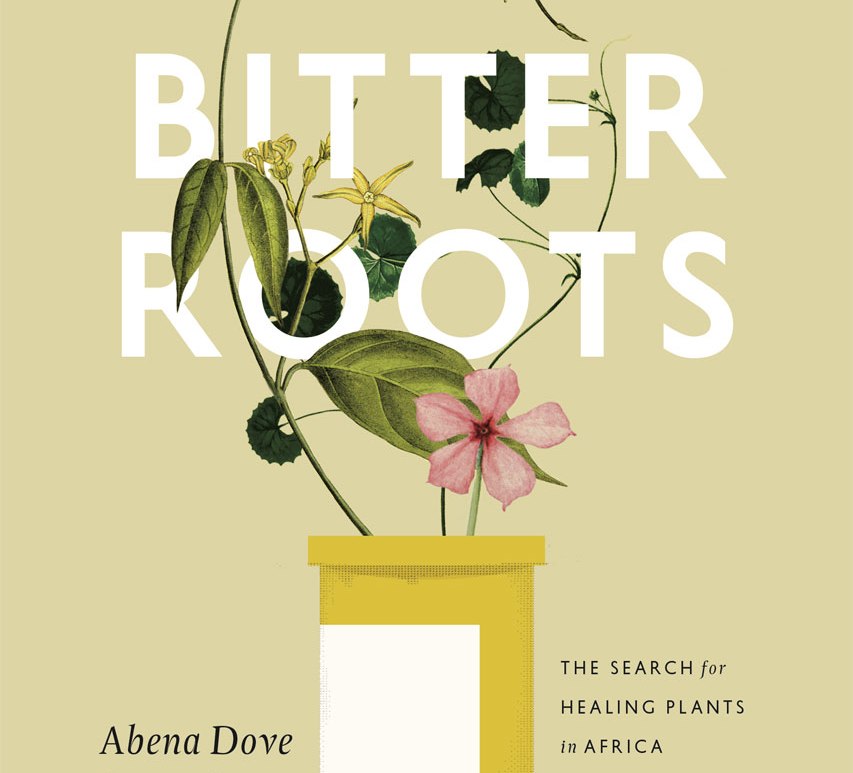
Abena Dove Osseo-Asare’s wonderful new book is a thoughtful, provocative, and balanced account of the intersecting histories and practices of drug research in modern Ghana, South Africa, and Madagascar. Bitter Roots: The Search for Healing Plants in Africa (University of Chicago Press, 2014) tells the stories of six plants, all sourced in African countries, that competing groups of plant specialists have tried to transform into pharmaceuticals since … Continue reading Bitter Roots: An Interview

Waverings: An Interview

David Hull’s new translation of Mao Dun’s Waverings (Chinese University of Hong Kong, 2014) (Research Centre for Translation, Chinese University of Hong Kong, 2014) is both a beautiful literary work and a boon for scholars and teachers working in the field of modern Chinese studies. Waverings is the second work in the Eclipse trilogy, three books that were published serially in The Short Story Magazine beginning in 1927. These are the first … Continue reading Waverings: An Interview

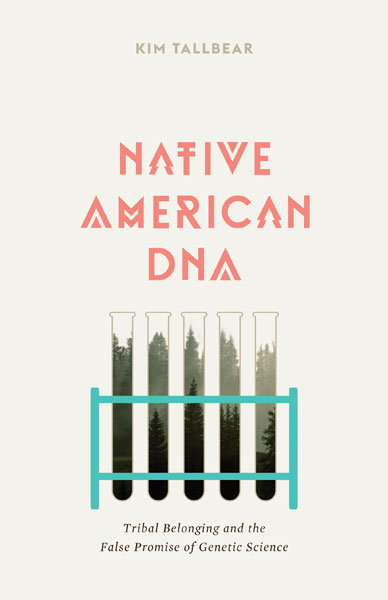
Native American DNA: An Interview

Bringing together STS, Native American and Indigenous Studies, histories of science and race, ethnography, and cultural studies, Native American DNA: Tribal Belonging and the False Promise of Genetic Science (University of Minnesota Press, 2013) traces a genealogy of “Native American DNA” as an object, an instrument, and an idea. Gripping and important on many levels, Kim TallBear’s book situates the emergence of genetic notions of racial and … Continue reading Native American DNA: An Interview