China’s War Reporters: An Interview

Parks Coble’s new book is a wonderful study of memory, war, and history that takes the Sino-Japanese War of 1937-1945 and its aftermath as its focus. China’s War Reporters: The Legacy of Resistance against Japan (Harvard University Press, 2015) look closely at writing done by journalists and intellectuals during the war, as well as the “re-remembering” of the war in modern China. Collectively, the chapters of China’s War Reporters argue that the … Continue reading China’s War Reporters: An Interview

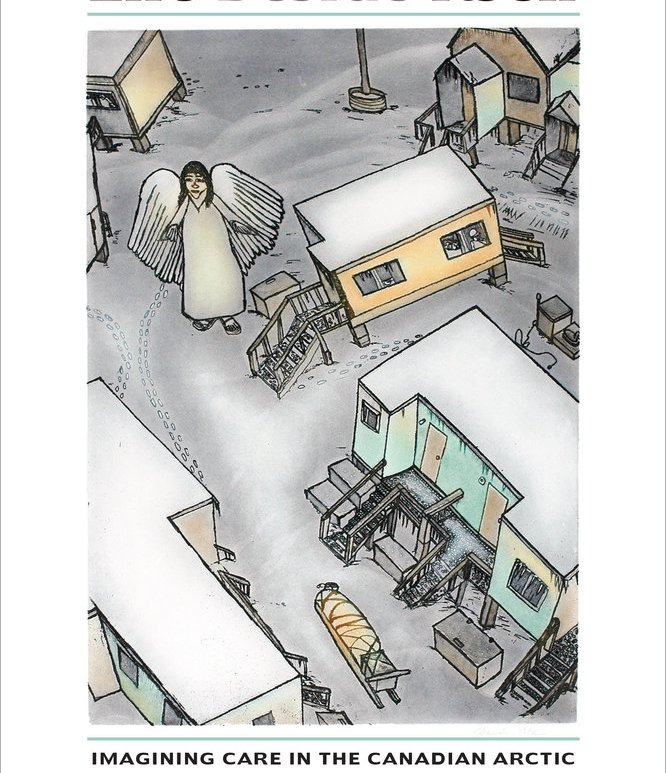
Life Beside Itself: An Interview

Lisa Stevenson’s new book opens with two throat-singing women and one listening king. Whether we hear them sitting down to a normal night’s dinner (as the women) or stalking the pages of a short story from Italo Calvino’s Under the Jaguar Sun (as the king), listening to these voices can potentially transform our notion of listening itself, as well as our understanding of what a “self” is … Continue reading Life Beside Itself: An Interview

Working Skin: An Interview

Joseph D. Hankins’s marvelous new ethnography of the contemporary Buraku people looks at the labor involved in “identifying, dismantling, and reproducing” the Buraku situation in Japan and beyond. Taking readers on a journey from Lubbock, Texas to Tokyo, India, and back again, Working Skin: Making Leather, Making a Multicultural Japan (University of California Press, 2014) brings a diverse range of ethnographic experiences to bear on understanding the … Continue reading Working Skin: An Interview

What Did the Romans Know?: An Interview

Daryn Lehoux’s new book will forever change the way you think about garlic and magnets. What Did the Romans Know?: An Inquiry into Science and Worldmaking (University of Chicago Press, 2012) is a fascinating account of the co-production of facts and worlds, taking readers into the sciences of Rome from the first century BC to the second century AD. Masterfully blending approaches from the history and philosophy of … Continue reading What Did the Romans Know?: An Interview

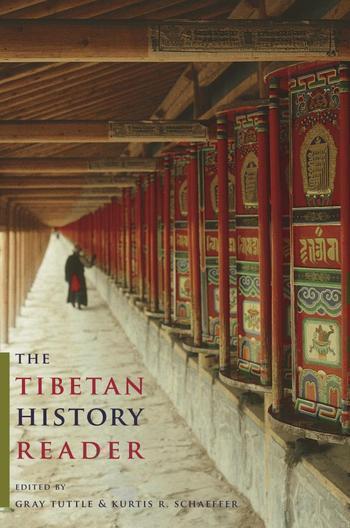
Two Tibetan Studies Readers: An Interview

Two new books have recently been published that will change the way we can study and teach Tibetan studies, and Gray Tuttle and Kurtis Schaeffer were kind enough to talk with me recently about them. The Tibetan History Reader (Columbia University Press, 2013), edited by Tuttle and Schaeffer, is a chronologically-organized set of essays that collectively introduce key topics and themes in Tibetan history from prehistory all the way through the … Continue reading Two Tibetan Studies Readers: An Interview

Waverings: An Interview

David Hull’s new translation of Mao Dun’s Waverings (Chinese University of Hong Kong, 2014) (Research Centre for Translation, Chinese University of Hong Kong, 2014) is both a beautiful literary work and a boon for scholars and teachers working in the field of modern Chinese studies. Waverings is the second work in the Eclipse trilogy, three books that were published serially in The Short Story Magazine beginning in 1927. These are the first … Continue reading Waverings: An Interview

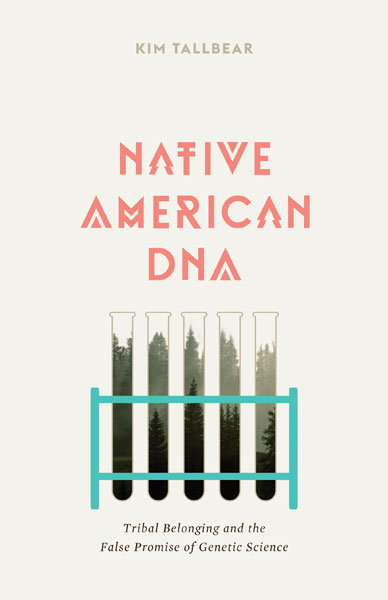
Native American DNA: An Interview

Bringing together STS, Native American and Indigenous Studies, histories of science and race, ethnography, and cultural studies, Native American DNA: Tribal Belonging and the False Promise of Genetic Science (University of Minnesota Press, 2013) traces a genealogy of “Native American DNA” as an object, an instrument, and an idea. Gripping and important on many levels, Kim TallBear’s book situates the emergence of genetic notions of racial and … Continue reading Native American DNA: An Interview

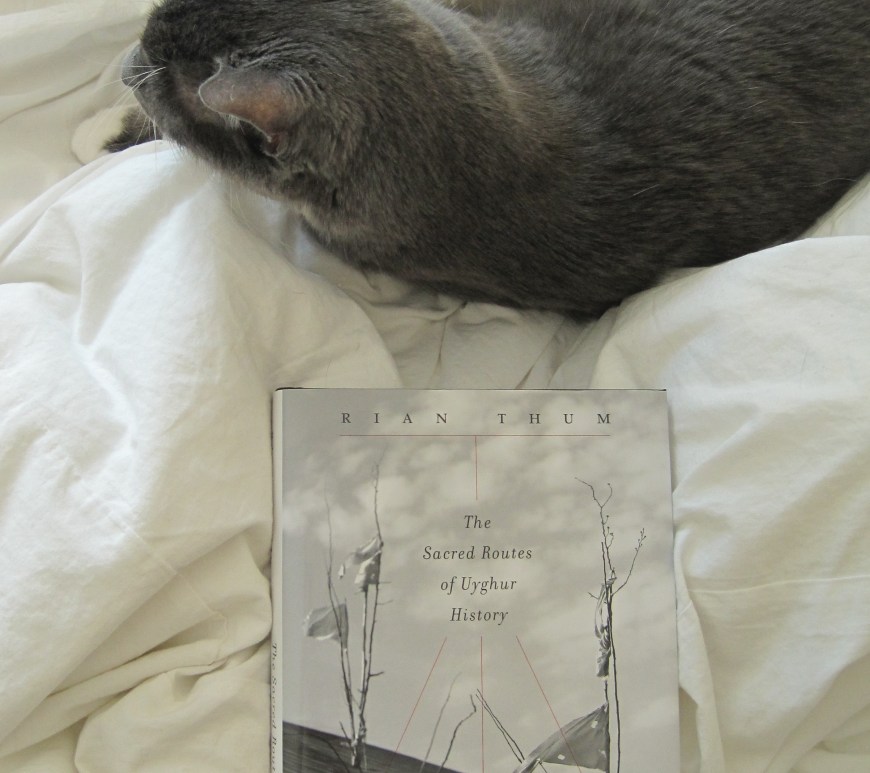
The Sacred Routes of Uyghur History: An Interview

In his fascinating new book, Rian Thum explores the craft, materiality, nature, and readership of Uyghur history over the past 300 years. The Sacred Routes of Uyghur History (Harvard University Press, 2014) argues that understanding Uyghur history in this way is crucial for understanding both Uyghur identity and continuing relationships with the Chinese state. Rather than writing a narrative of “Xinjiang,” Thum instead crafts his history as a story … Continue reading The Sacred Routes of Uyghur History: An Interview

Men to Devils, Devils to Men: An Interview

Barak Kushner’s new book considers what happened in the wake of Japan’s surrender, looking closely at diplomatic and military efforts to bring “Japanese imperial behavior” to justice. Men to Devils, Devils to Men: Japanese War Crimes and Chinese Justice (Harvard University Press, 2015) focuses on the aftermath of the Japanese war crimes, asking a number of important questions: “How did the Chinese legally deal with Japanese war … Continue reading Men to Devils, Devils to Men: An Interview

Beautiful Data: An Interview

The second half of the twentieth century saw a radical transformation in approaches to recording and displaying information. Orit Halpern’s new book traces the emergence of the “communicative objectivity” that resulted from this shift and produced new forms of observation, rationality, and economy. Beautiful Data: A History of Vision and Reason since 1945 (Duke University Press, 2014) beautifully accomplishes this by creating a dialogue between fields that don’t … Continue reading Beautiful Data: An Interview