Flight Ways: An Interview

Thom van Dooren’s new book is an absolute must-read. Flight Ways: Life and Loss at the Edge of Extinction (Columbia University Press, 2014) is a beautifully written and evocative meditation on extinction. The book offers (and implicates us in) stories about five groups of birds – albatrosses, vultures, Little Penguins, whooping cranes, and Hawaiian crows – that build upon one another and collectively enable us to explore … Continue reading Flight Ways: An Interview

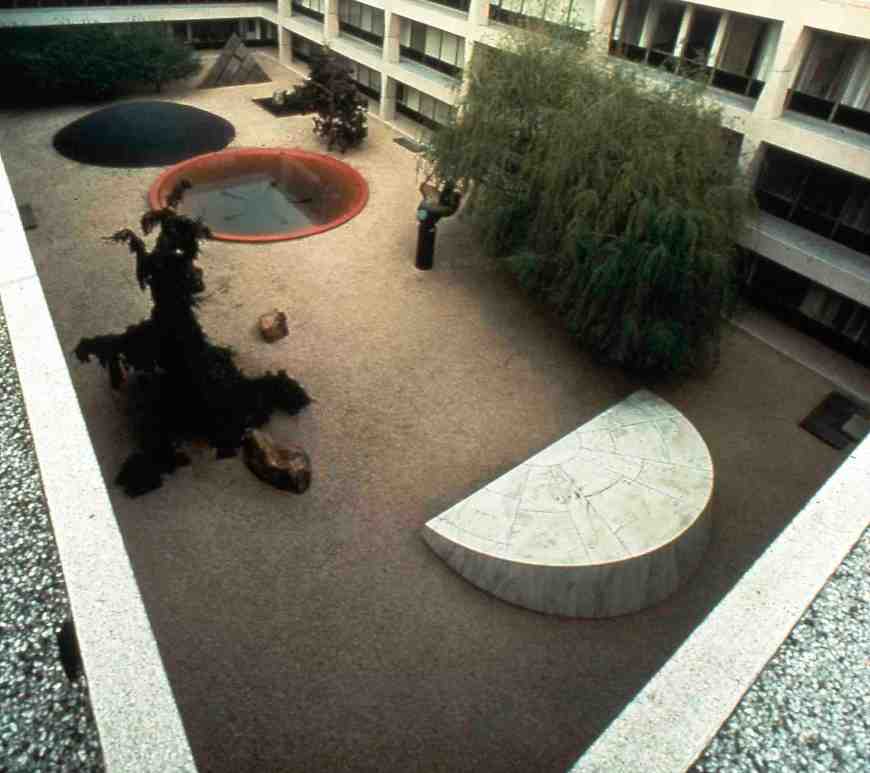
Beautiful Data: An Interview

The second half of the twentieth century saw a radical transformation in approaches to recording and displaying information. Orit Halpern’s new book traces the emergence of the “communicative objectivity” that resulted from this shift and produced new forms of observation, rationality, and economy. Beautiful Data: A History of Vision and Reason since 1945 (Duke University Press, 2014) beautifully accomplishes this by creating a dialogue between fields that don’t … Continue reading Beautiful Data: An Interview

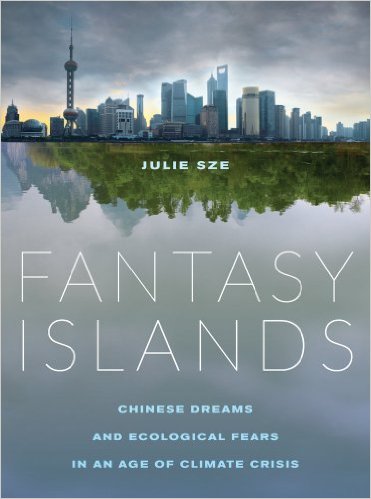
Fantasy Islands: An Interview

Julie Sze’s new book opens by bringing readers into the wetlands of Dongtan, introducing us to an ambitious but unrealized project to create the “world’s first great eco-city.” Fantasy Islands: Chinese Dreams and Ecological Fears in an Age of Climate Crisis (University of California Press, 2015) considers Dongtan, the Chongming Island eco-development, suburban real estate developments, and other fantasies of wild and urban lives to explore the nature … Continue reading Fantasy Islands: An Interview

Inventing Exoticism: An Interview

Benjamin Schmidt’s beautiful new book argues that a new form of exoticism emerged in the Netherlands between the mid-1660s and the early 1730s, thanks to a series of successful products in a broad range of media that used both text and image to engage with the non-European world. Inventing Exoticism: Geography, Globalism, and Europe’s Early Modern World (University of Pennsylvania Press, 2015) takes readers into the Dutch … Continue reading Inventing Exoticism: An Interview

Chang’an 26 BCE: An Interview

Michael Nylan and Griet Vankeerberghen have produced a landmark volume. Chang’an 26 BCE: An Augustan Age in China (University of Washington Press, 2015) collects 19 essays (plus an Introduction and an Afterword) devoted to exploring the built environment and archaeology of Han Chang’an, sociopolitical transformations in the late Western Han, and leading figures of the period. Equally significant as a contribution to Chinese studies and to the fields of urban … Continue reading Chang’an 26 BCE: An Interview

Stations in the Field: An Interview

While museums, labs, and botanical gardens have been widely studied by historians of science, field stations have received comparatively little attention. Raf De Bont’s new book rectifies this oversight, turning our attention to the importance of biological field stations in the late nineteenth and early twentieth centuries in generating new scientific practices, theories, and networks. Stations in the Field: A History of Place-Based Animal Research, … Continue reading Stations in the Field: An Interview

Taming Tibet: An Interview

Emily T. Yeh’s Taming Tibet: Landscape Transformation and the Gift of Chinese Development (Cornell University Press, 2013) is an award-winning critical analysis of the production and transformation of the Tibetan landscape since 1950, construing development as a “state project that is presented as a gift to the Tibetan people” especially as it works to territorialize Tibet. Focusing on Lhasa and its environs, Yeh takes readers through key … Continue reading Taming Tibet: An Interview

Shanghai Homes: An Interview

Jie Li’s new book Shanghai Homes: Palimpsests of Private Life (Columbia University Press, 2015) explores the history and culture of Shanghai alleyway homes by focusing on two physical spaces, both built in the early twentieth century by Japanese and British companies, and both located in the industrial Yangshupu district in the eastern part of what was the International Settlement in Shanghai. An old house, here, is a … Continue reading Shanghai Homes: An Interview

Dealing with Darwin: An Interview

David Livingstone’s new book traces the processes by which communities of the late nineteenth and early twentieth centuries that shared the same Scottish Calvinist heritage engaged with Darwin and Darwinians in different local contexts. This wonderful book locates evolutionary debates in particular sites and situations as a way of understanding the history of science in terms of “geographies of reading” and “speech spaces,” and you can listen to our … Continue reading Dealing with Darwin: An Interview

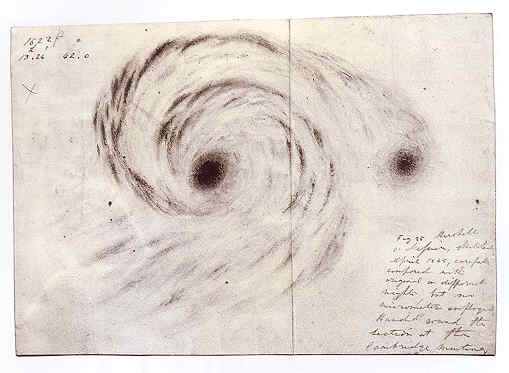
Observing by Hand: An Interview

In Omar Nasim’s new book, a series of fascinating characters sketch, paint, and etch their way toward a mapping of the cosmos and the human mind. His book examines the history of observation of celestial nebulae in the nineteenth century, exploring the relationships among the acts of seeing, drawing, and knowing in producing visual knowledge about the heavens and its bodies. We had a chance to talk about … Continue reading Observing by Hand: An Interview