Translating Recipes Part 10 & 11: Recipes, Time, Space, and “After”

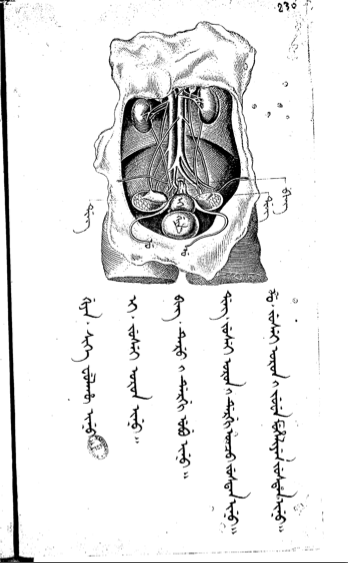
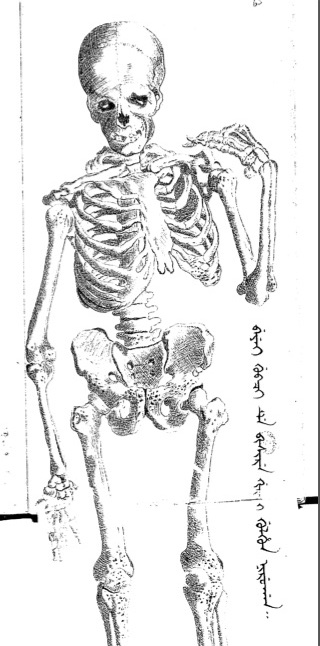
The most recent parts of a multi-part series exploring time and space in (Manchu) recipe literature and in translation were just posted at The Recipes Project. You can find them here and here. This one focuses on exploring the work of “after”-ness in recipe literature, and it includes a relevant translation of our multiply-translated Manchu recipe. Links to the entire Translating Recipes series (so far) can be found on the … Continue reading Translating Recipes Part 10 & 11: Recipes, Time, Space, and “After”

Tales of Futures Past: An Interview

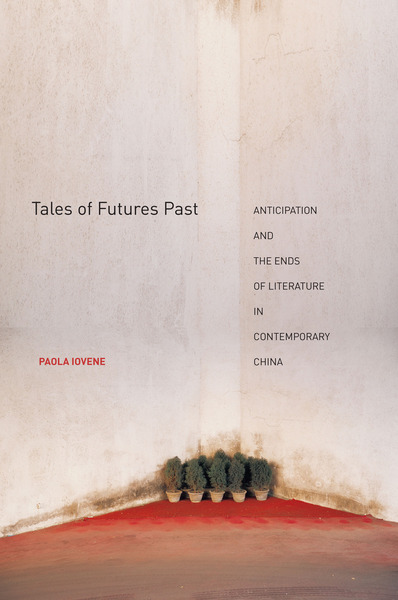
Paola Iovene’s new book is a beautiful exploration of visions of the future as they have shaped a range of texts, genres, and editorial practices in Chinese literature from the middle of the twentieth century through the beginning of the twenty-first century. Tales of Futures Past traces ideas of the future through children’s books, popular science, science fiction, poetry, fiction, and other kinds of text and practice. … Continue reading Tales of Futures Past: An Interview

Savage Exchange: An Interview

Tamara Chin’s new book is awesome: it’s a tour de force and a must-read for anyone interested in early China, the history of economy, or inter-disciplinarity in the humanities. Focusing on the reign of Han Emperor Wu (r. 141-87 BCE), Savage Exchange carefully considers how this earliest period of expansion of China’s markets and frontiers inspired scholarly debates over the relationships of frontier, market, word, and world. … Continue reading Savage Exchange: An Interview

Translating Recipes 9: Recipes in Time and Space Part 3 – IF

The third part of a multi-part series exploring time and space in (Manchu) recipe literature and in translation has just been posted at The Recipes Project. You can find it here. This one focuses on exploring the work of “if”-ness in recipe literature, and it includes a kind of Choose Your Own Adventure translation of our multiply-translated Manchu recipe. Later posts in this series will take on other prepositional attitudes … Continue reading Translating Recipes 9: Recipes in Time and Space Part 3 – IF

Public Memory in Early China: An Interview

Ken Brashier’s wonderful new book, a must-read for scholars of Chinese studies, offers a history of identity and public memory in early China. We had a chance to talk about it for the New Books in East Asian Studies podcast, it was a lot of fun, and you can listen to the interview here. (Ken and I also talked about his previous – and also awesome – book … Continue reading Public Memory in Early China: An Interview

Modern Archaics: An Interview

I recently had the opportunity to talk with Shengqing Wu about her new book on practices and discourses of classical poetry in early twentieth-century China. Modern Archaics considers the relationship between history and lyricism in contexts of (1) historical trauma and loss; (2) the development of affective communities that treated lyric composition as an integral part of shared social practice; and (3) travel and translation.  It’s a … Continue reading Modern Archaics: An Interview

Translating Recipes 8: Recipes in Time and Space Part 2 – WITH

The second part of a multi-part series exploring time and space in (Manchu) recipe literature and in translation has just been posted at The Recipes Project. You can find it here. This one focuses on drawing our attention to “with”-ness. Later posts in this series will take on other prepositional attitudes that situate bodies with respect to one another in time and space: on, in, toward, etc. The … Continue reading Translating Recipes 8: Recipes in Time and Space Part 2 – WITH

Translating Qing Recipes: Fluid Translation

“Fluid Translation,” the newest installment in the Translating Recipes series at The Recipes Project, will be available today (for Pt. 1, here) and tomorrow (for Pt. 2). The posts work as a series of pairs, with the first offering offering an explanation and conceptual grounding of the translation experiment featured in the second: Translating Qing Recipes 1: Narrating Qing Bodies Translating Qing Recipes 2: A Drama of Butter and … Continue reading Translating Qing Recipes: Fluid Translation