Savage Exchange: An Interview

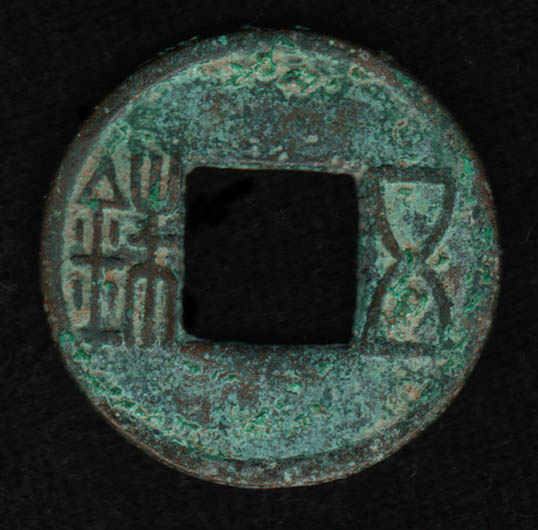
Tamara Chin’s new book is awesome: it’s a tour de force and a must-read for anyone interested in early China, the history of economy, or inter-disciplinarity in the humanities. Focusing on the reign of Han Emperor Wu (r. 141-87 BCE), Savage Exchange carefully considers how this earliest period of expansion of China’s markets and frontiers inspired scholarly debates over the relationships of frontier, market, word, and world. … Continue reading Savage Exchange: An Interview

Translating Recipes 9: Recipes in Time and Space Part 3 – IF

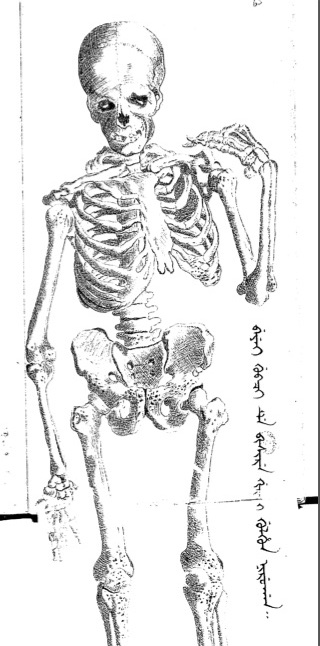
The third part of a multi-part series exploring time and space in (Manchu) recipe literature and in translation has just been posted at The Recipes Project. You can find it here. This one focuses on exploring the work of “if”-ness in recipe literature, and it includes a kind of Choose Your Own Adventure translation of our multiply-translated Manchu recipe. Later posts in this series will take on other prepositional attitudes … Continue reading Translating Recipes 9: Recipes in Time and Space Part 3 – IF

Tweeting Da Vinci: An Interview

Ann C. Pizzorusso’s new book is a creative and gorgeously illustrated meeting of geology, art history, and Renaissance studies. Arguing that understanding Italy’s geological history can significantly inform how we see its art, literature, medicine, architecture, and more, Tweeting Da Vinci takes a deeply interdisciplinary approach to engaging the cultural history of Italy from the Etruscans to Da Vinci and beyond. You can listen to us talking about … Continue reading Tweeting Da Vinci: An Interview

The Elements of Academic Style: An Interview

Every academic-writing person should own a copy of Eric Hayot’s new book. The Elements of Academic Style is a style guide geared specifically toward academic writers in the humanities, paying special attention to the field of literary and cultural theory but applying equally well across humanistic disciplines. It’s fabulous, Eric generously made time to talk with me about it for the New Books Network Seminar, and you can … Continue reading The Elements of Academic Style: An Interview

Modern Archaics: An Interview

I recently had the opportunity to talk with Shengqing Wu about her new book on practices and discourses of classical poetry in early twentieth-century China. Modern Archaics considers the relationship between history and lyricism in contexts of (1) historical trauma and loss; (2) the development of affective communities that treated lyric composition as an integral part of shared social practice; and (3) travel and translation.  It’s a … Continue reading Modern Archaics: An Interview

Translating Recipes 8: Recipes in Time and Space Part 2 – WITH

The second part of a multi-part series exploring time and space in (Manchu) recipe literature and in translation has just been posted at The Recipes Project. You can find it here. This one focuses on drawing our attention to “with”-ness. Later posts in this series will take on other prepositional attitudes that situate bodies with respect to one another in time and space: on, in, toward, etc. The … Continue reading Translating Recipes 8: Recipes in Time and Space Part 2 – WITH

Translating Qing Recipes: Fluid Translation

“Fluid Translation,” the newest installment in the Translating Recipes series at The Recipes Project, will be available today (for Pt. 1, here) and tomorrow (for Pt. 2). The posts work as a series of pairs, with the first offering offering an explanation and conceptual grounding of the translation experiment featured in the second: Translating Qing Recipes 1: Narrating Qing Bodies Translating Qing Recipes 2: A Drama of Butter and … Continue reading Translating Qing Recipes: Fluid Translation

Rewriting Medieval Japanese Women: An Interview

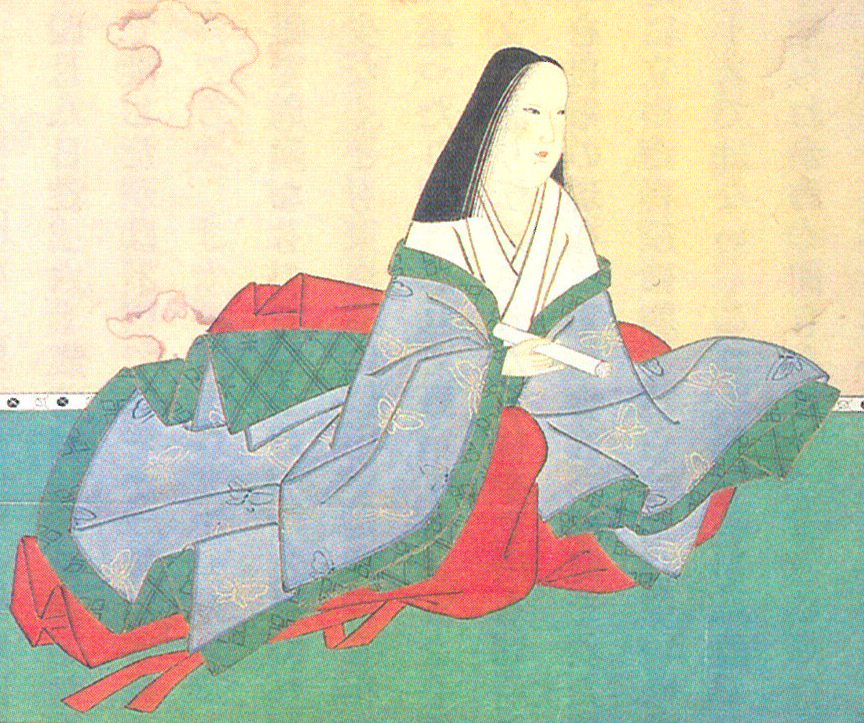
Known primarily as a travel writer thanks to the frequent assignment of her Diary in high school history and literature classes, Nun Abutsu was a thirteenth-century poet, scholar, and teacher, and also a prolific writer. Christina Laffin’s new book explores Abutsu’s life and written works, taking readers in turn through her letters, memoirs, poems, prayers, and travel diary, among others. You can listen to our conversation about it here. Continue reading Rewriting Medieval Japanese Women: An Interview

Hyperobjects: An Interview

In his recent book, Timothy Morton offers a way of thinking with and about hyperobjects, particular kinds of things of which we see only pieces at any given moment. It is about global warming and intimacy and object-oriented ontology and modern art and the possibilities of a phenomenology after we get rid of any notion of “the world” as something out-there and beyond-us. For those who are … Continue reading Hyperobjects: An Interview